

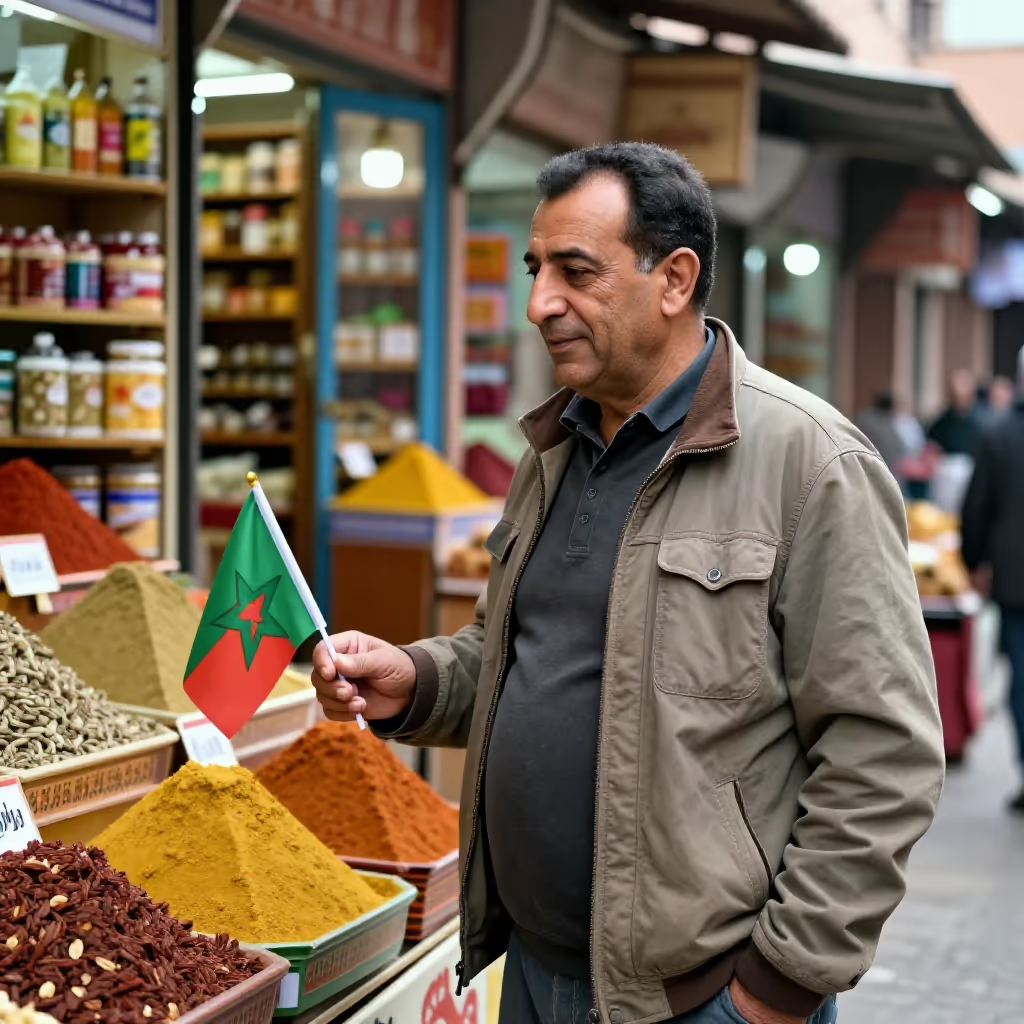
der Marokkaner
Moroccan
A male person who comes from Morocco or has Moroccan citizenship.
EXAMPLE
Unser neuer Nachbar ist Marokkaner und kommt aus Casablanca.
Our new neighbor is Moroccan and comes from Casablanca.
Moroccan
Loading your saved state.
Moroccan
A male person who comes from Morocco or has Moroccan citizenship.
Unser neuer Nachbar ist Marokkaner und kommt aus Casablanca.
Our new neighbor is Moroccan and comes from Casablanca.
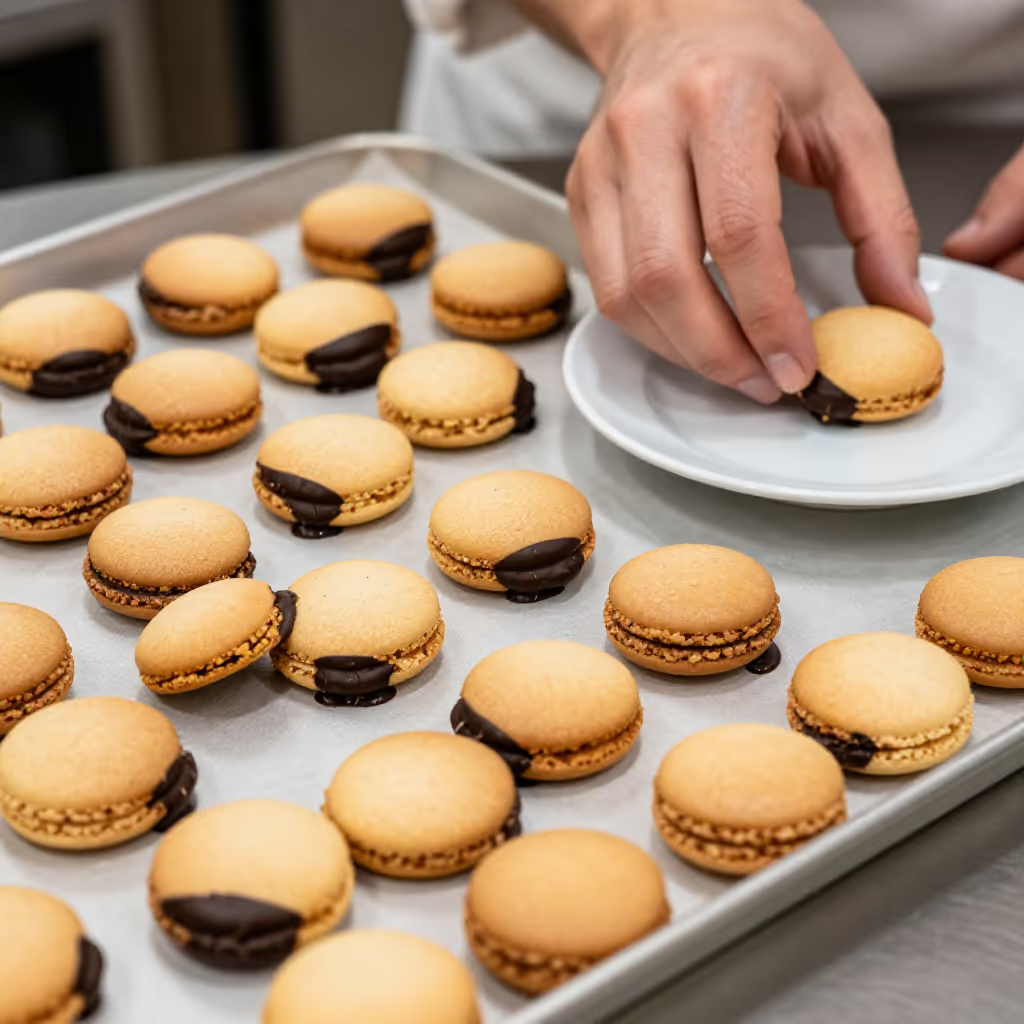
Moroccan cookie
The name for a particular pastry, usually a cookie made from a macaroon mixture with chocolate.
In der Bäckerei habe ich mir einen Kaffee und zwei Marokkaner gekauft.
At the bakery, I bought myself a coffee and two Moroccan cookies.
The term for the person is derived from the country name 'Marokko' (Morocco). The suffix '-aner' is often used for male inhabitants of countries or continents.
Ein junger Marokkaner hat das Turnier gewonnen.
A young Moroccan won the tournament.
Whether a person or a pastry is meant becomes clear from the context. In a bakery, a café, or when the topic is food, the pastry is meant. In all other situations, it is a person.
Ich hätte gern zwei Marokkaner und einen Kaffee, bitte.
I'd like two Moroccan cookies and a coffee, please.
When 'Marokkaner' refers to a person, the word belongs to the N-declension. This means it takes the ending '-n' in the accusative, dative, and genitive.
Hast du mit dem Marokkaner gesprochen?
Did you speak with the Moroccan?