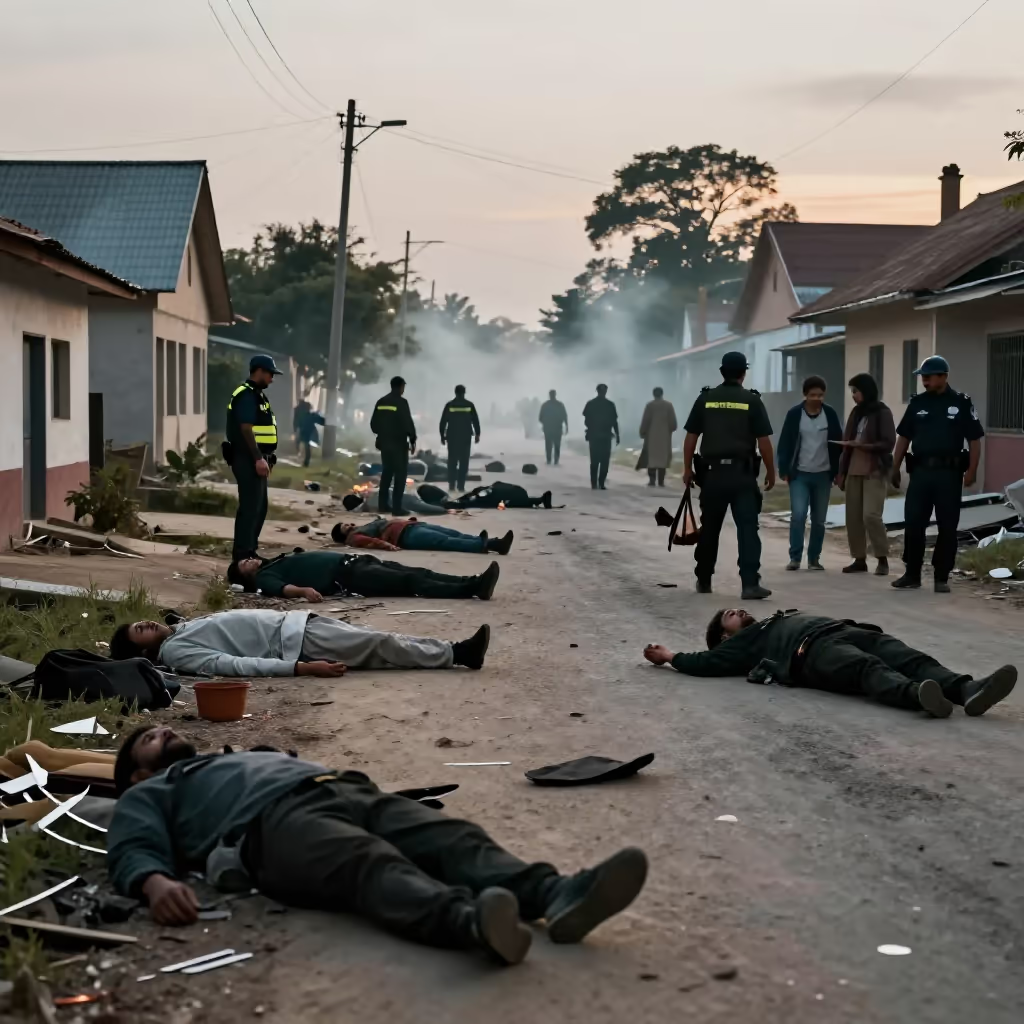
A cruel slaughter in which a large number of defenseless people or animals are brutally killed.
example
Das Massaker an der Zivilbevölkerung löste weltweit Entsetzen aus.
The massacre of the civilian population caused horror around the world.
Usage tips
Correct preposition
To name the victim group, 'Massaker' (massacre) is almost always used with the preposition 'an' followed by the dative. For example: 'ein Massaker an jemandem' (a massacre of someone).
EXAMPLE
Der Film handelt von einem Massaker an unschuldigen Dorfbewohnern.
The film is about a massacre of innocent villagers.
Typical verbs
A massacre is not 'gemacht' (made). The typical verbs used in this serious context are 'anrichten' (to cause), 'verüben' (to commit), or 'begehen' (to commit).
EXAMPLE
Die Täter haben ein furchtbares Massaker angerichtet.
The perpetrators caused a terrible massacre.
Colloquial meaning
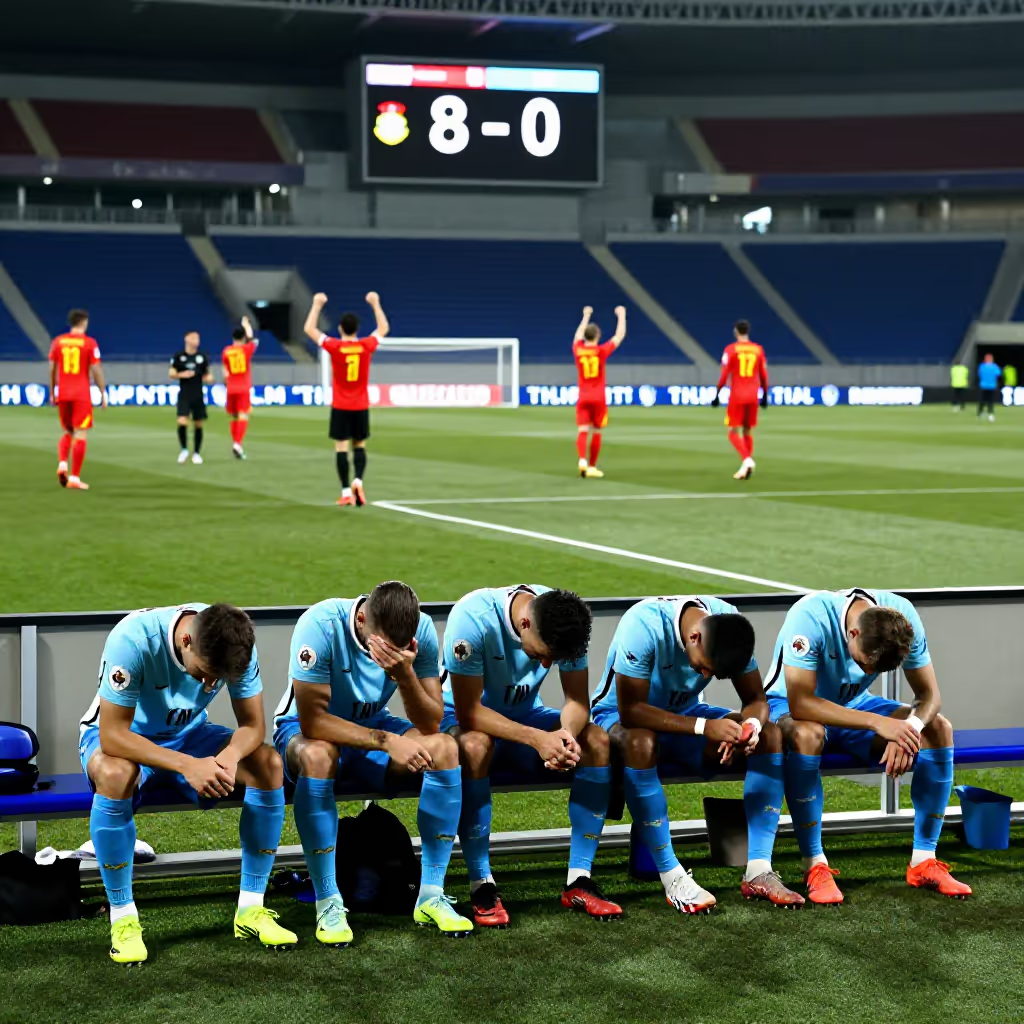
Using the word in sports or competitions is highly exaggerated and colloquial. It describes a very decisive defeat in a dramatic way.
EXAMPLE
Unsere Mannschaft hat 1:9 verloren, es war ein totales Massaker.
Our team lost 1–9; it was a total massacre.
Compare with
near_synonym
Massaker vs Niederlage
defeat
'die Niederlage' and 'das Massaker' can both refer to a lost game in sports. 'Niederlage' is neutral and simply describes the fact that someone lost. 'Massaker' is colloquial and strongly exaggerated in this context. It means a very clear, almost crushing defeat. You should use 'Massaker' carefully, because the word actually means something very brutal. For normal or factual situations, 'Niederlage' is the better choice.
Massaker
Nach dem 1:9 sprachen die Fans von einem Massaker auf dem Platz.
After the 9–1 loss, the fans spoke of a massacre on the pitch.
Niederlage
Die Niederlage im Finale tat den Spielern besonders weh.
The defeat in the final was especially painful for the players.