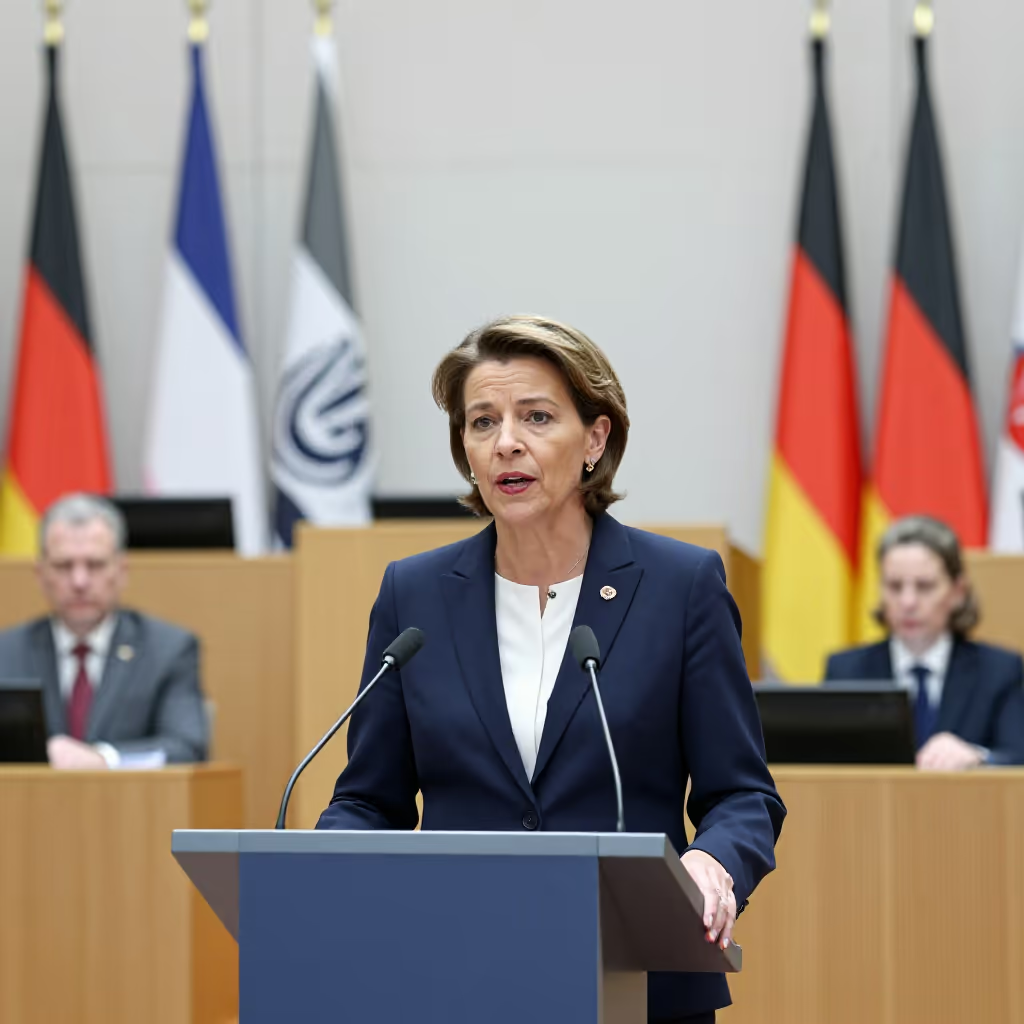
A high-ranking member of a government who is responsible for a specific policy area (a ministry).
example
Der Gesundheitsminister informierte über die neue Impfkampagne.
The health minister provided information about the new vaccination campaign.
Usage tips
False friend
In German, 'der Minister' (the minister) almost always refers to a high-ranking member of government. The English meaning 'clergyman' or 'pastor' is very rare and historical in German. Don't mix them up!
EXAMPLE
Der Außenminister reist morgen nach Brüssel.
The foreign minister is traveling to Brussels tomorrow.
Word family
'Minister' is the basis for many other political terms. These include 'das Ministerium' (the ministry; his or her area of work), 'der Ministerpräsident' (head of a state government), or compound words like 'Finanzminister' (finance minister) or 'Umweltministerin' (female environment minister).
EXAMPLE
Das Bundesministerium für Gesundheit hat seinen Sitz in Berlin.
The Federal Ministry of Health is based in Berlin.
Typical collocations
A minister's area of responsibility is often named with the preposition 'für' (for) or as a direct compound. Both forms are common.
EXAMPLE
Er ist der Minister für Wirtschaft.
He is the minister for economic affairs.
Context clue
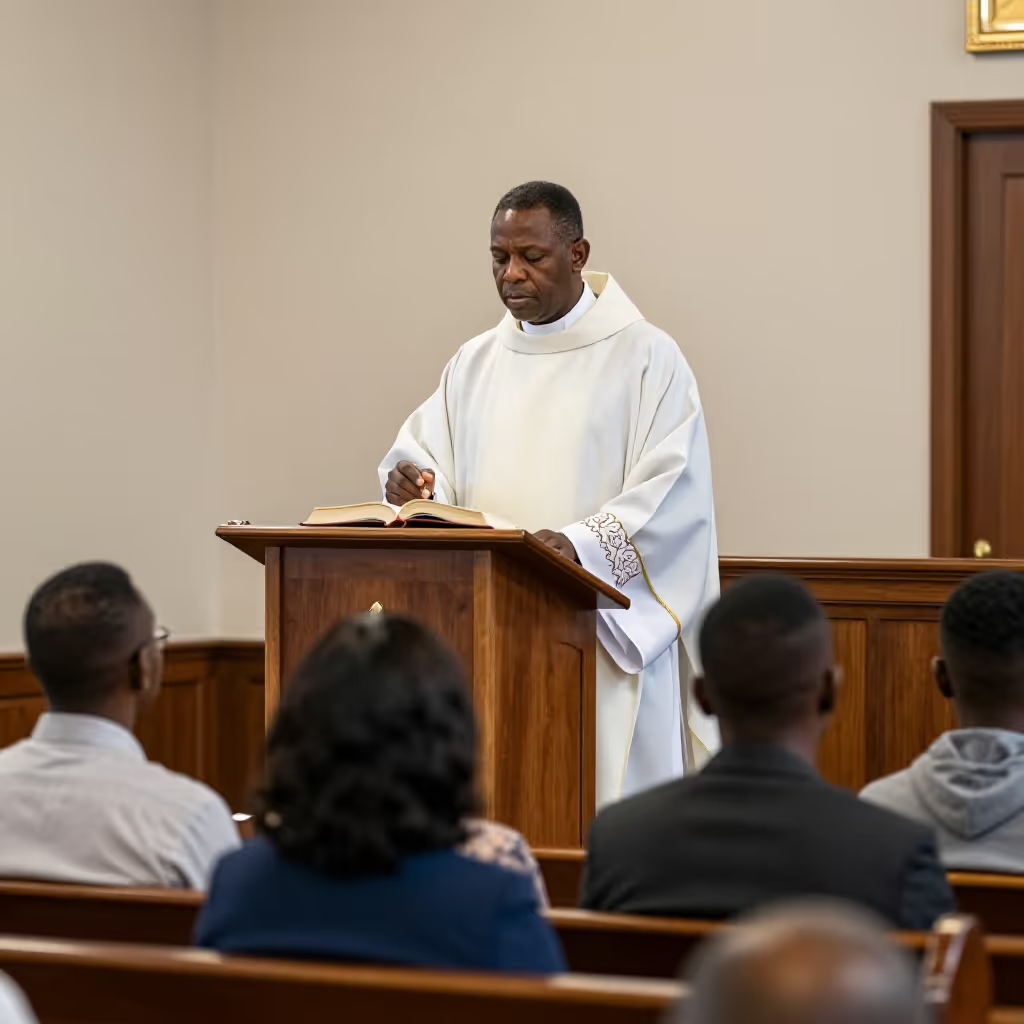
The meaning 'Geistlicher' (clergyman) is very rare. You will encounter it almost only in historical texts or in literature about certain Protestant free churches. In everyday language, the political meaning is always meant.
EXAMPLE
In diesem alten Roman war der Protagonist ein Minister einer kleinen Landgemeinde.
In this old novel, the protagonist was a minister of a small rural parish.
Compare with
near_synonym · confusable
Minister vs Pfarrer
pastor
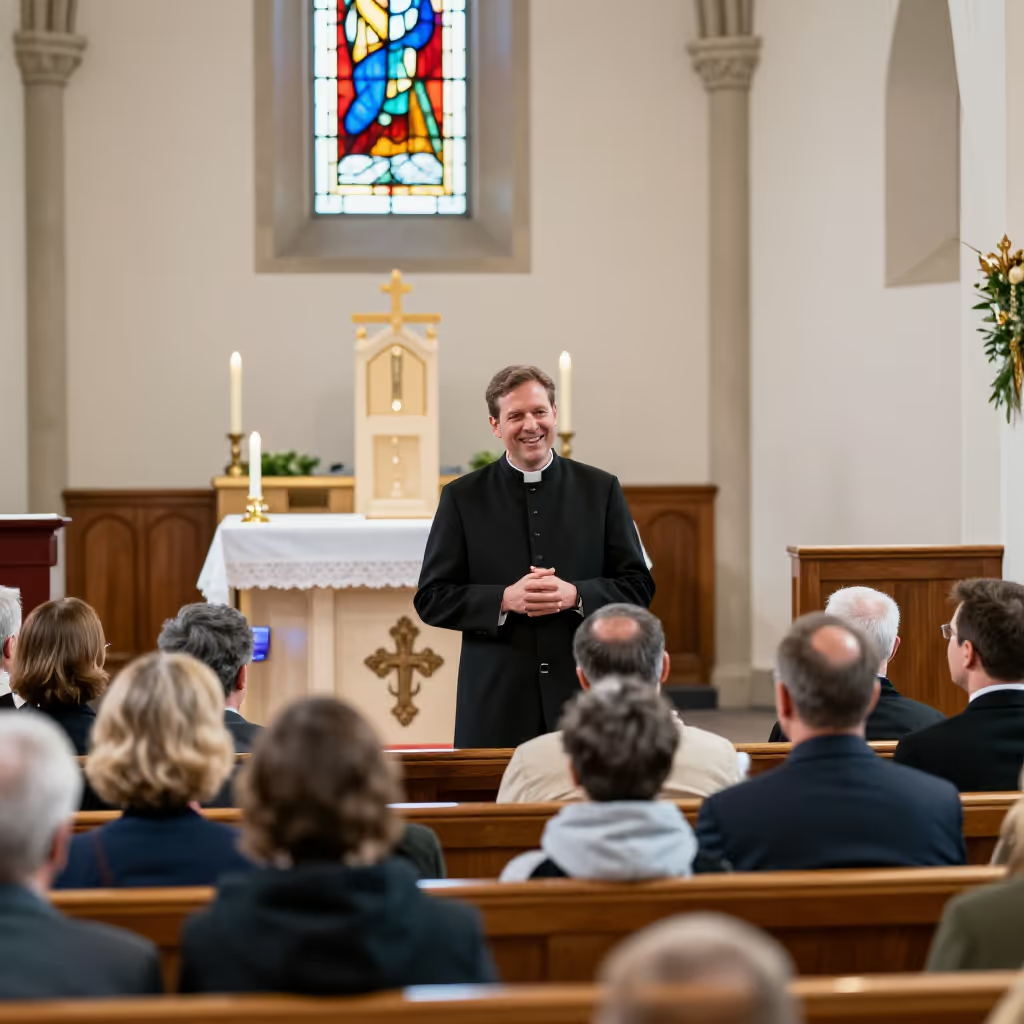
'der Minister' and 'der Pfarrer' can be close in meaning in a religious context, but in normal modern German they are usually not the same. 'der Pfarrer' is the usual term for a Christian clergy member who looks after a congregation. Today, 'der Minister' almost always means a member of the government. Only historically, or in some Protestant free churches, can 'Minister' also mean a clergyman. The words can therefore be confusing, but in everyday language 'Pfarrer' is much more natural for the church.
Minister
In dem alten Text wurde der Geistliche der Gemeinde als Minister bezeichnet.
In the old text, the congregation's clergyman was referred to as a minister.
Pfarrer
Nach der Beerdigung sprach der Pfarrer noch lange mit der Familie.
After the funeral, the pastor spoke with the family for a long time.