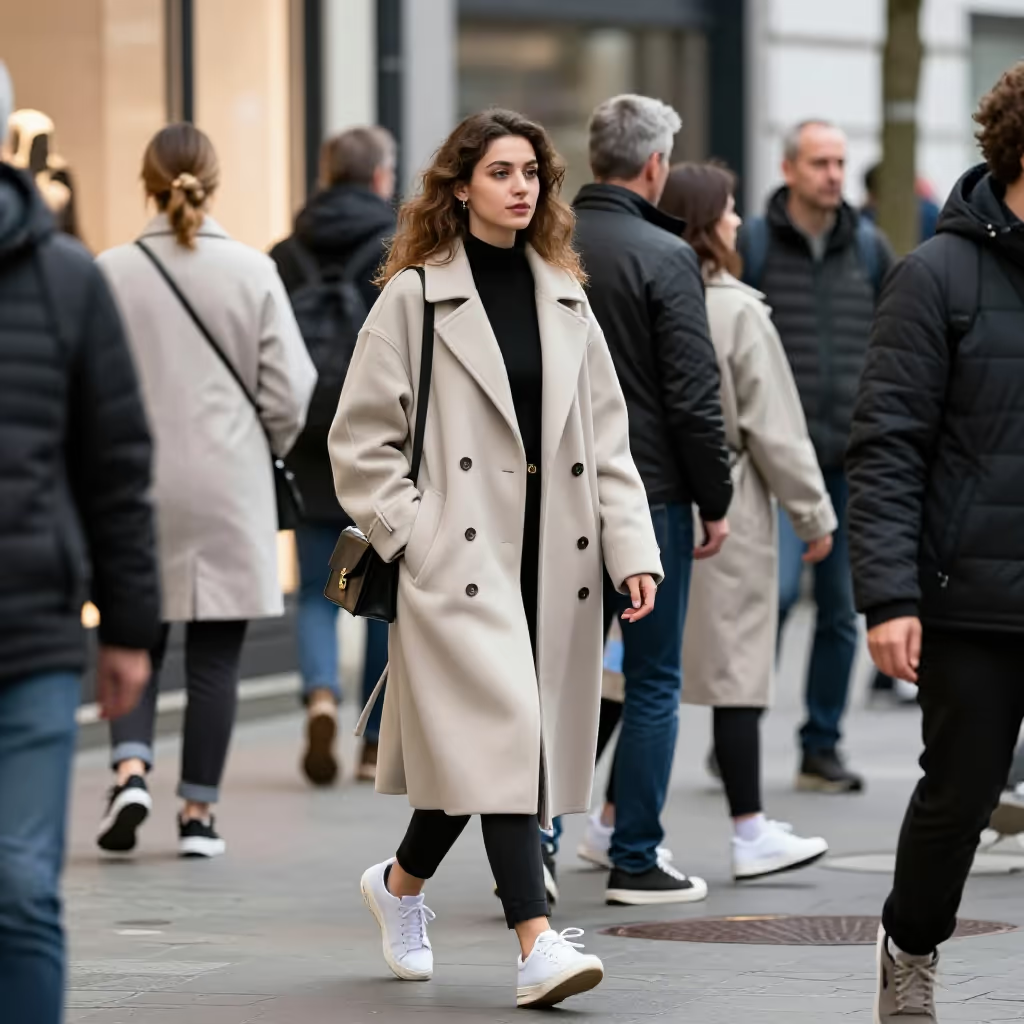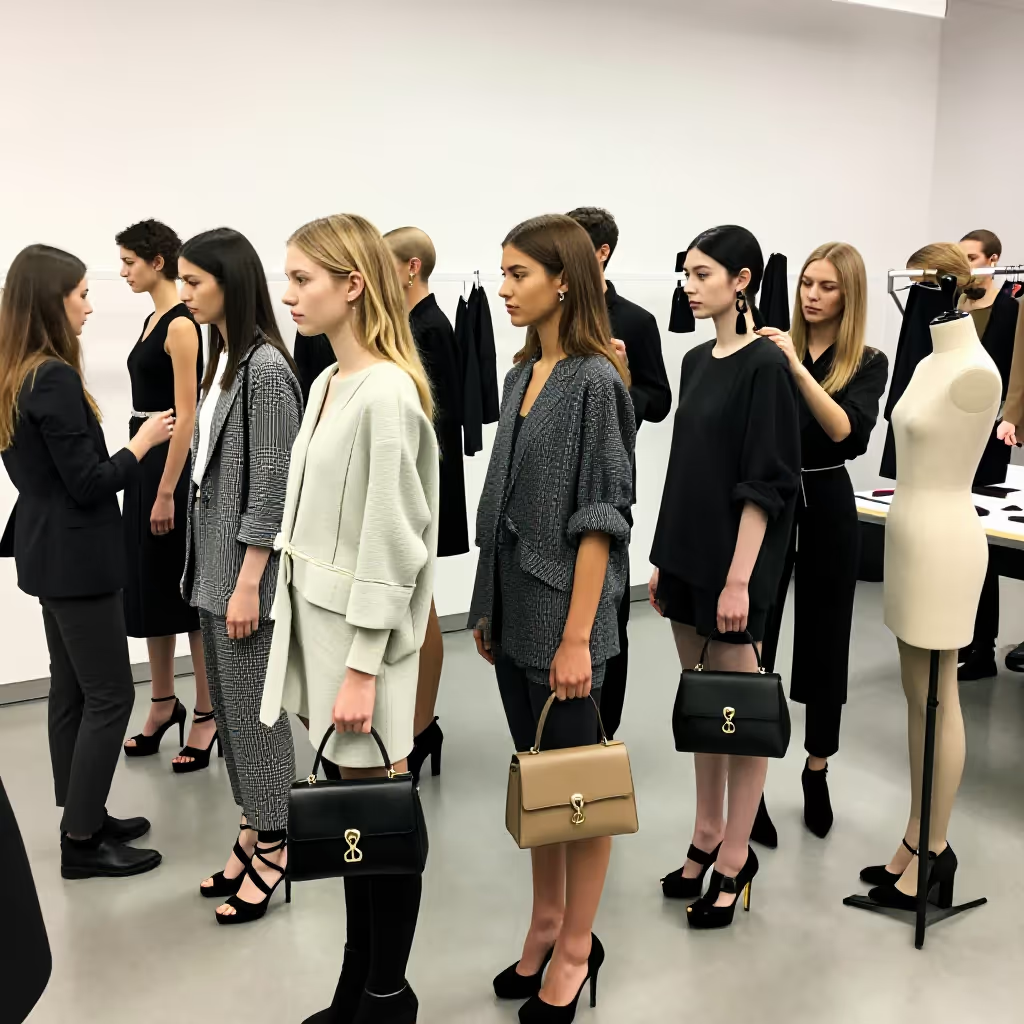
The style prevailing in a particular time and society, especially in clothing, hairstyles, and accessories.
example
In Paris wird die neueste Mode für die kommende Saison vorgestellt.
In Paris, the latest fashion for the coming season is being presented.
Usage tips
False friend
'Die Mode' usually means 'fashion' (clothing, style). It is not the same as the English word 'mode', which means 'Art und Weise' (way or manner), e.g. in 'mode of transport'.
EXAMPLE
Sie liest gerne Zeitschriften über die aktuelle Mode aus Italien.
She likes reading magazines about current fashion from Italy.
Use without an article
When talking about the general concept of 'fashion', 'Mode' is often used without an article. For example, you say 'sich für Mode interessieren' (to be interested in fashion) or 'von Mode verstehen' (to know about fashion).
EXAMPLE
Mein Bruder interessiert sich überhaupt nicht für Mode.
My brother isn't interested in fashion at all.
Fixed expressions
The expressions 'in Mode sein' (to be in fashion) and 'aus der Mode kommen' (to go out of fashion) are very common. They describe whether something is current and popular or is becoming unfashionable.
EXAMPLE
Große Brillen sind gerade wieder total in Mode.
Large glasses are totally back in fashion right now.
Sentence pattern
To describe a general habit, the structure 'Es ist Mode, etwas zu tun' (It is fashionable/trendy to do something) is often used. It is followed by an infinitive clause with 'zu'.
EXAMPLE
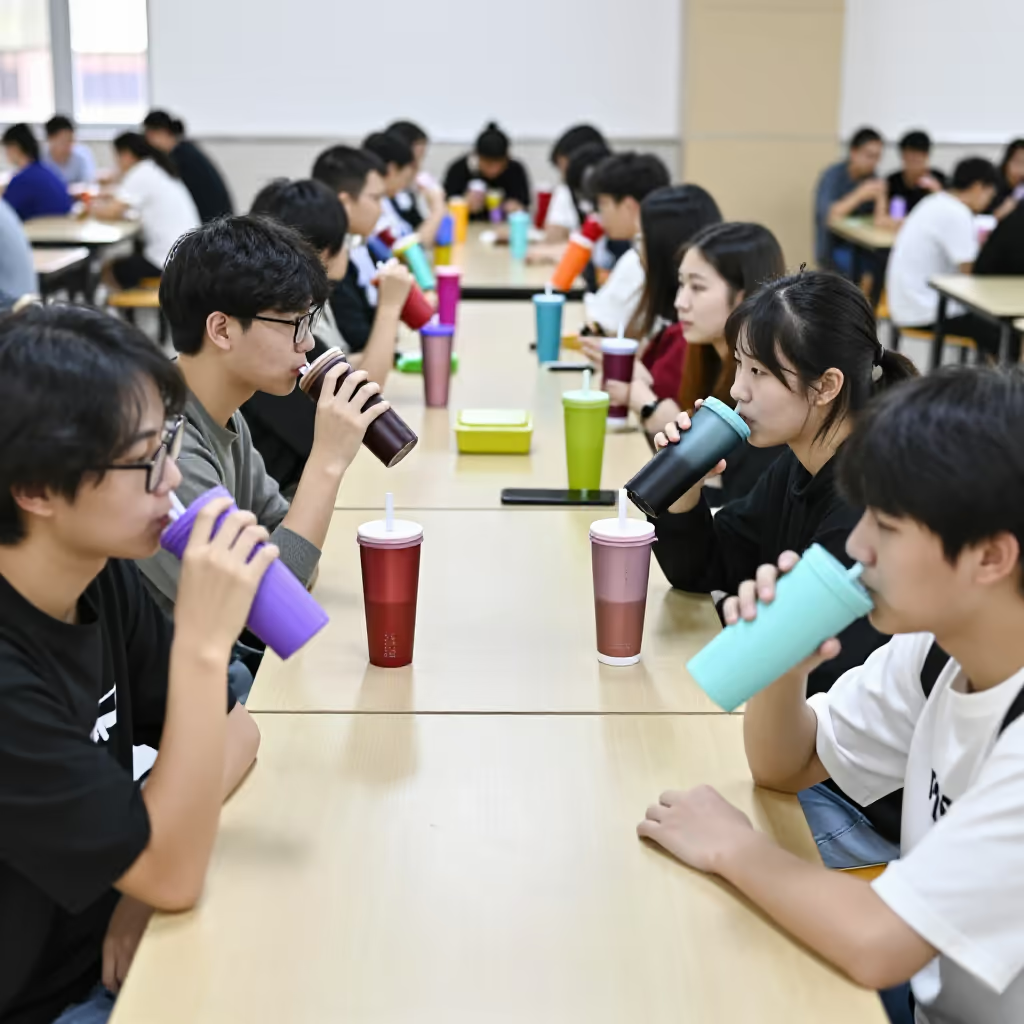
Es ist zurzeit Mode, seinen Kaffee mit Hafermilch zu trinken.
It's currently trendy to drink your coffee with oat milk.
Typical collocations
Common combinations are 'die neueste Mode' (the latest fashion), 'der Mode folgen' (to follow fashion / dress fashionably), or 'Mode schaffen' (to create fashion / set new trends).
EXAMPLE
Viele junge Leute folgen der neuesten Mode aus den sozialen Medien.
Many young people follow the latest fashion from social media.
Compare with
near_synonym · confusable
Mode vs modern
modern
'modern' and 'Mode' both have to do with what is current or popular in a certain period. The most important difference is the part of speech and how they are used: 'modern' is an adjective and directly describes things, people, or styles. 'die Mode' is a noun and mainly means clothing trends or, more generally, a current trend. Learners may confuse them because 'modern' often means that something is currently 'in Mode' (in fashion). But not everything modern is fashion: technology, ideas, or apartments can also be modern.
Mode
Breite Hosen sind wieder in Mode gekommen.
Wide trousers have come back into fashion.
modern
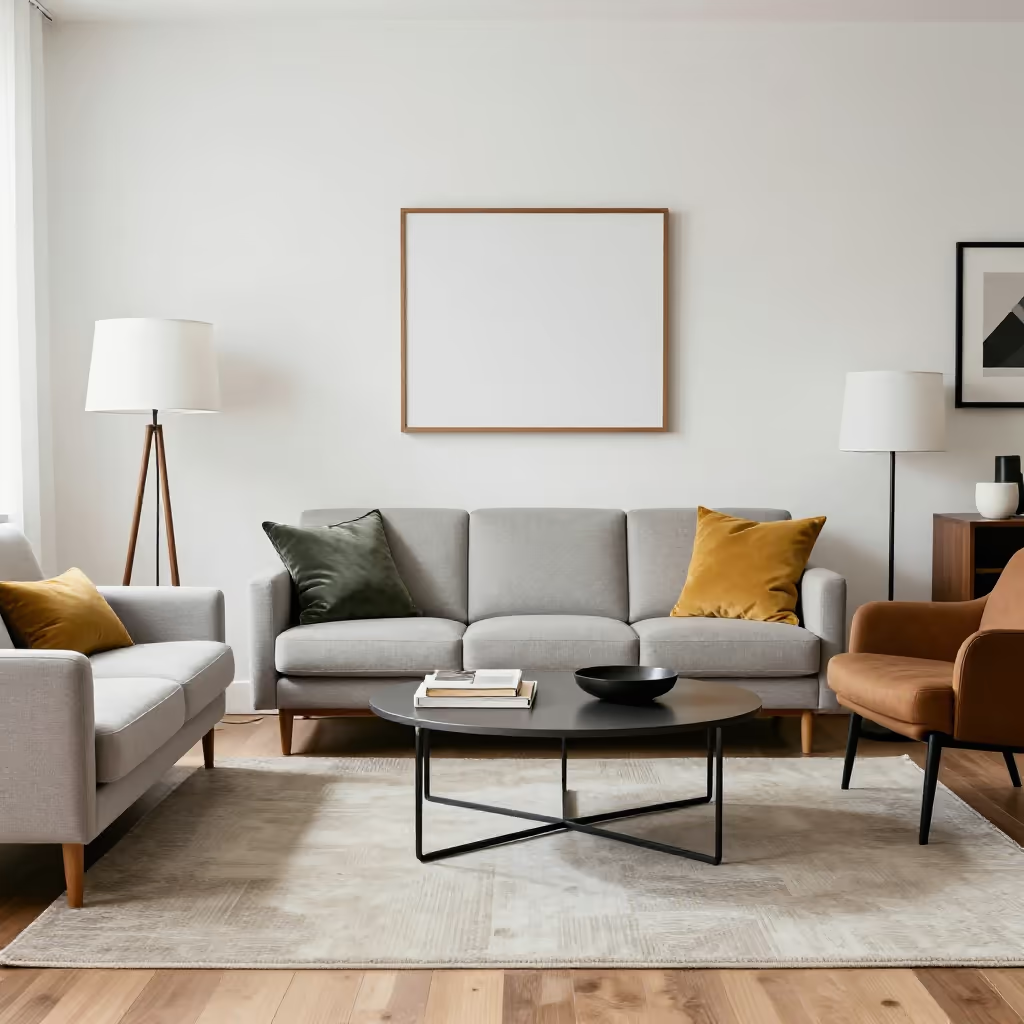
Ihr Wohnzimmer sieht mit den neuen Lampen viel moderner aus.
Her living room looks much more modern with the new lamps.