

der Moder
mold / decay
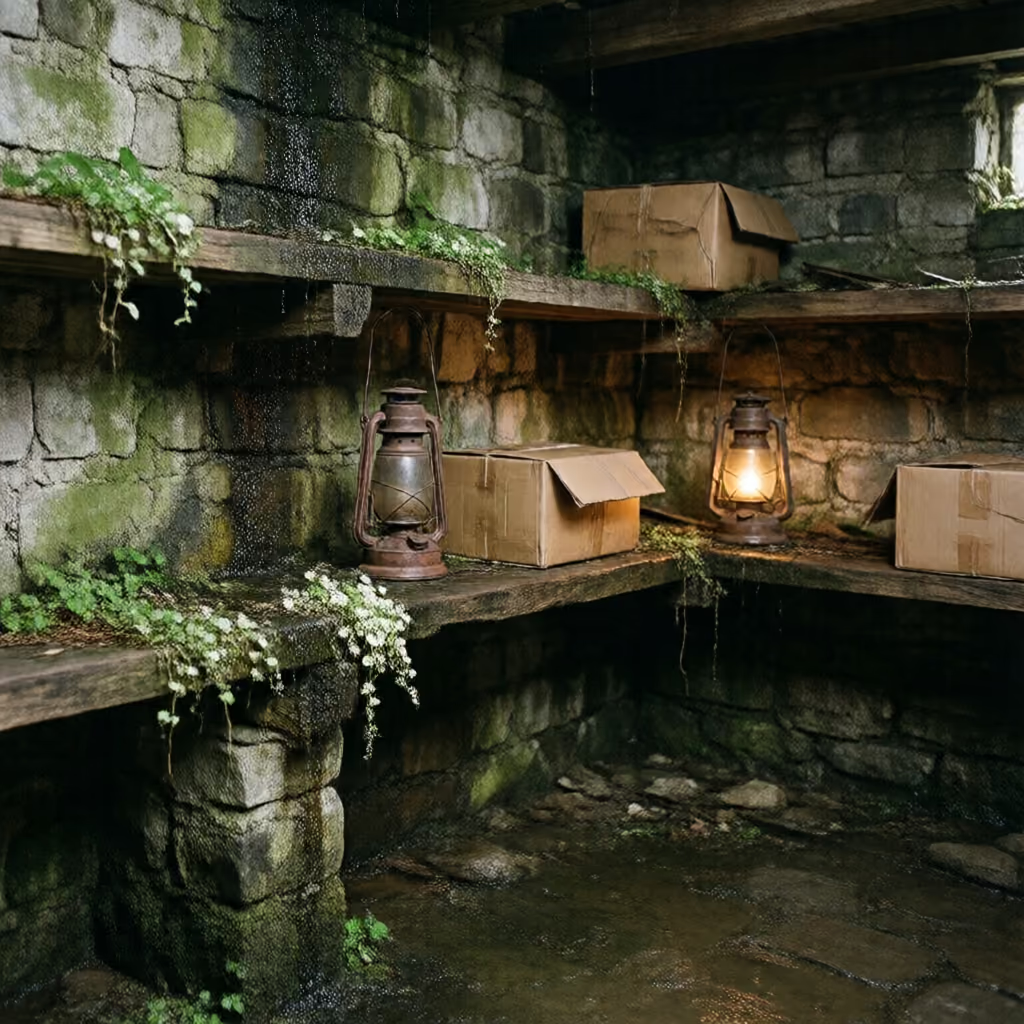
Decay caused by dampness and the musty, stale smell that develops with it.
EXAMPLE
Aus dem alten Keller drang der Moder herauf.
The musty smell of decay rose from the old cellar.
mold / decay
der Moder
Loading your saved state.
mold / decay
Decay caused by dampness and the musty, stale smell that develops with it.
Aus dem alten Keller drang der Moder herauf.
The musty smell of decay rose from the old cellar.
rotting organic matter
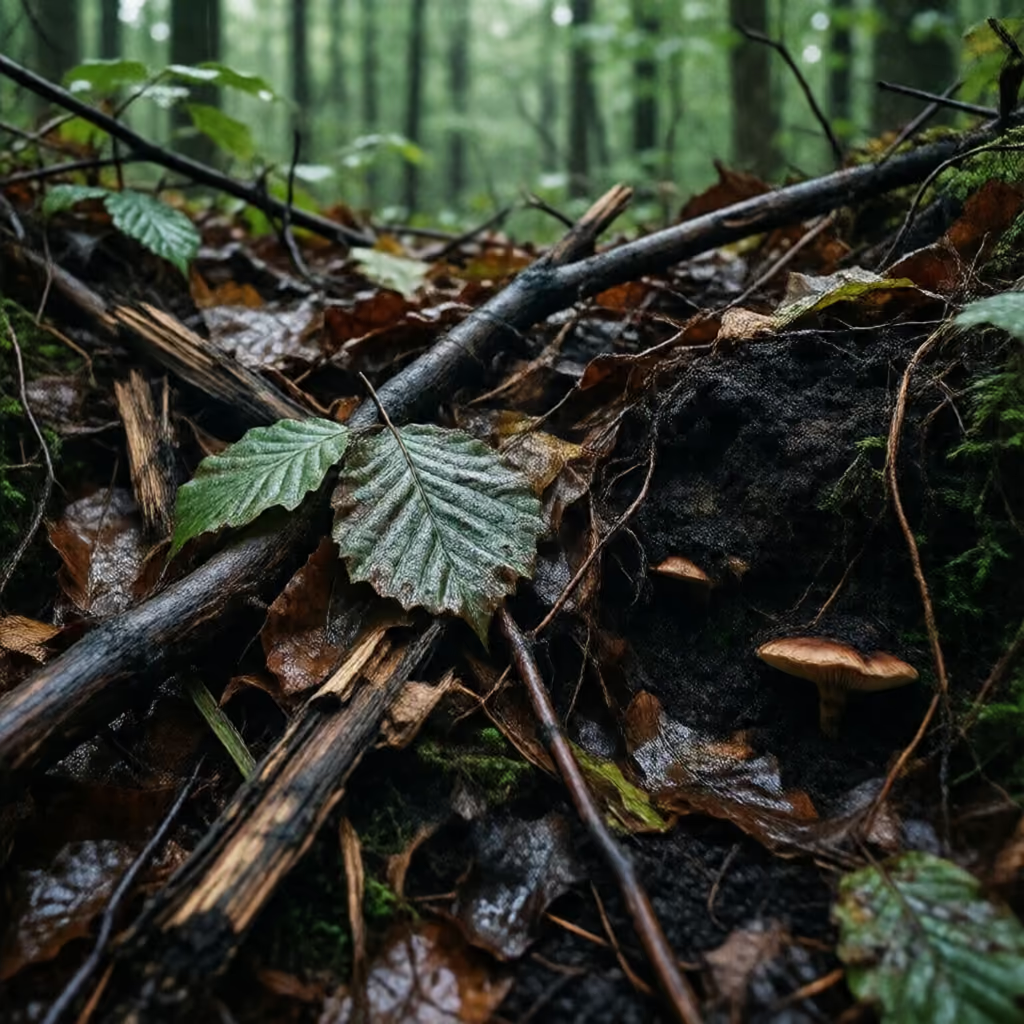
Decayed or decomposing organic matter, especially in damp soil or on dead plants.
Unter den nassen Blättern bildete sich dunkler Moder.
Dark, rotting organic matter had formed beneath the wet leaves.
| gender | masculine der |
|---|---|
| genitive | des Moders |
| singular | plural | |
|---|---|---|
| nominative | der Moder | – |
| accusative | den Moder | – |
| dative | dem Moder | – |
| genitive | des Moders | – |
The article changes with the case; it is shown in colour.
'Moder' (mold / decay) is often used in descriptive texts about old buildings, damp rooms, or nature. Especially in stories, the word can help create an eerie or oppressive atmosphere.
Im verlassenen Haus waren die Vorhänge von Moder und Feuchtigkeit zerfressen.
In the abandoned house, the curtains had been eaten away by mold and dampness.
A typical collocation is 'nach Moder riechen' (to smell of mold / decay). 'Nach' is followed by the dative; with 'Moder', the article is usually omitted in this expression.
Die Decken in der alten Truhe rochen nach Moder.
The blankets in the old chest smelled of mold.
'Zu Moder zerfallen' (to decompose into decay) describes what remains after a long process of decomposition. 'Zu Moder' indicates the result of the process.
Die Holzbalken waren nach vielen Jahren zu Moder zerfallen.
After many years, the wooden beams had decomposed into rotting matter.