

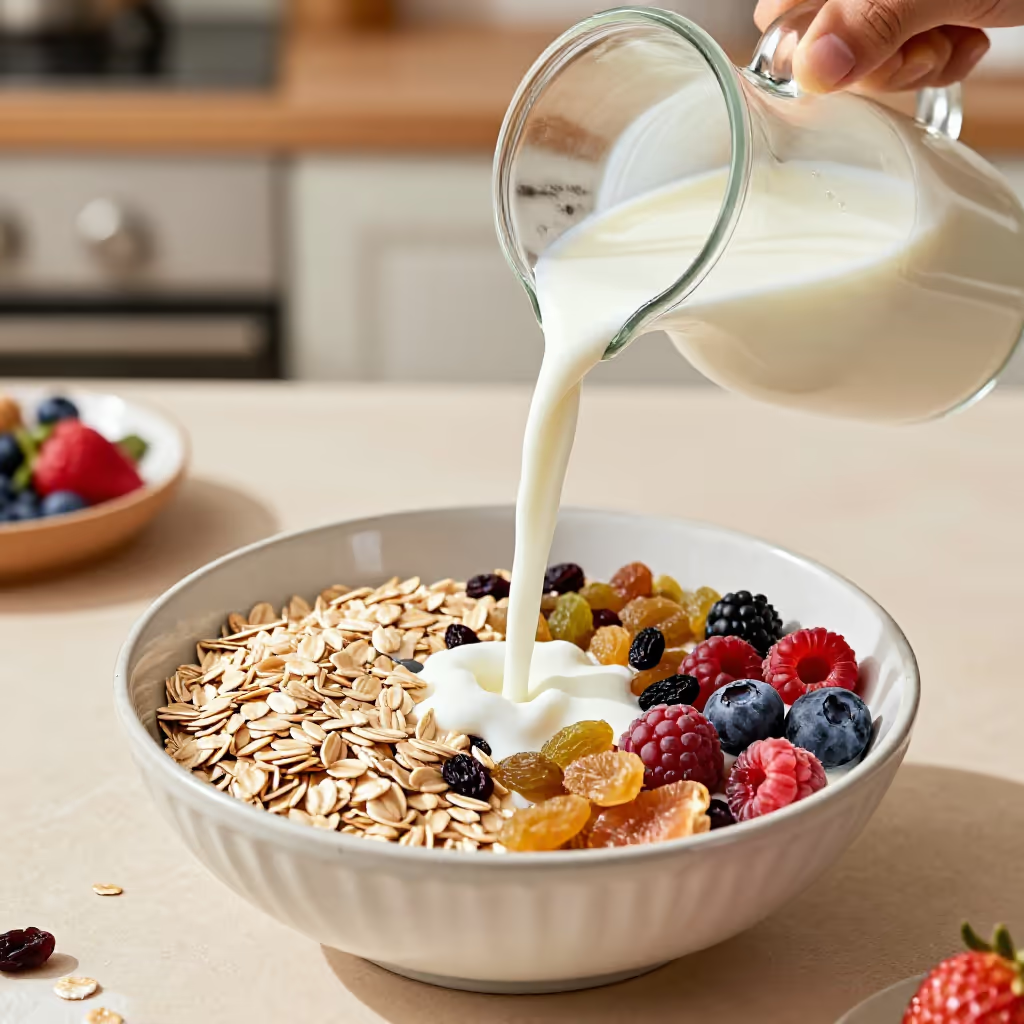
A food usually eaten for breakfast, made from a mixture of cereal flakes, nuts, seeds, and dried fruit. It is typically served with milk, yogurt, or juice.
example
Jeden Morgen esse ich ein Müsli mit frischem Obst und Joghurt.
Every morning I eat muesli with fresh fruit and yogurt.
Usage tips
Origin of the word
'Müsli' (muesli) is a word from Swiss German. It is the diminutive form of 'Mus' (mush/purée) — so literally a 'little mush'. The ending '-li' is typical for diminutives in Switzerland.
EXAMPLE
Das Birchermüesli wurde um 1900 in der Schweiz entwickelt.
Bircher muesli was developed in Switzerland around 1900.
Use without an article
When speaking about the food in general, 'Müsli' (muesli) is often used without an article. This is typical for many food names.
EXAMPLE
Zum Frühstück esse ich am liebsten Müsli.
For breakfast, I like eating muesli best.
Typical collocations
Common verbs and prepositions related to 'Müsli' (muesli) are 'Müsli essen' (to eat muesli), 'Müsli zubereiten' (to prepare muesli), and 'Müsli mit Milch oder Joghurt' (muesli with milk or yogurt).
EXAMPLE
Ich bereite mein Müsli immer mit Nüssen und frischen Beeren zu.
I always prepare my muesli with nuts and fresh berries.
Compare with
confusable
Müsli vs Cornflakes
cornflakes
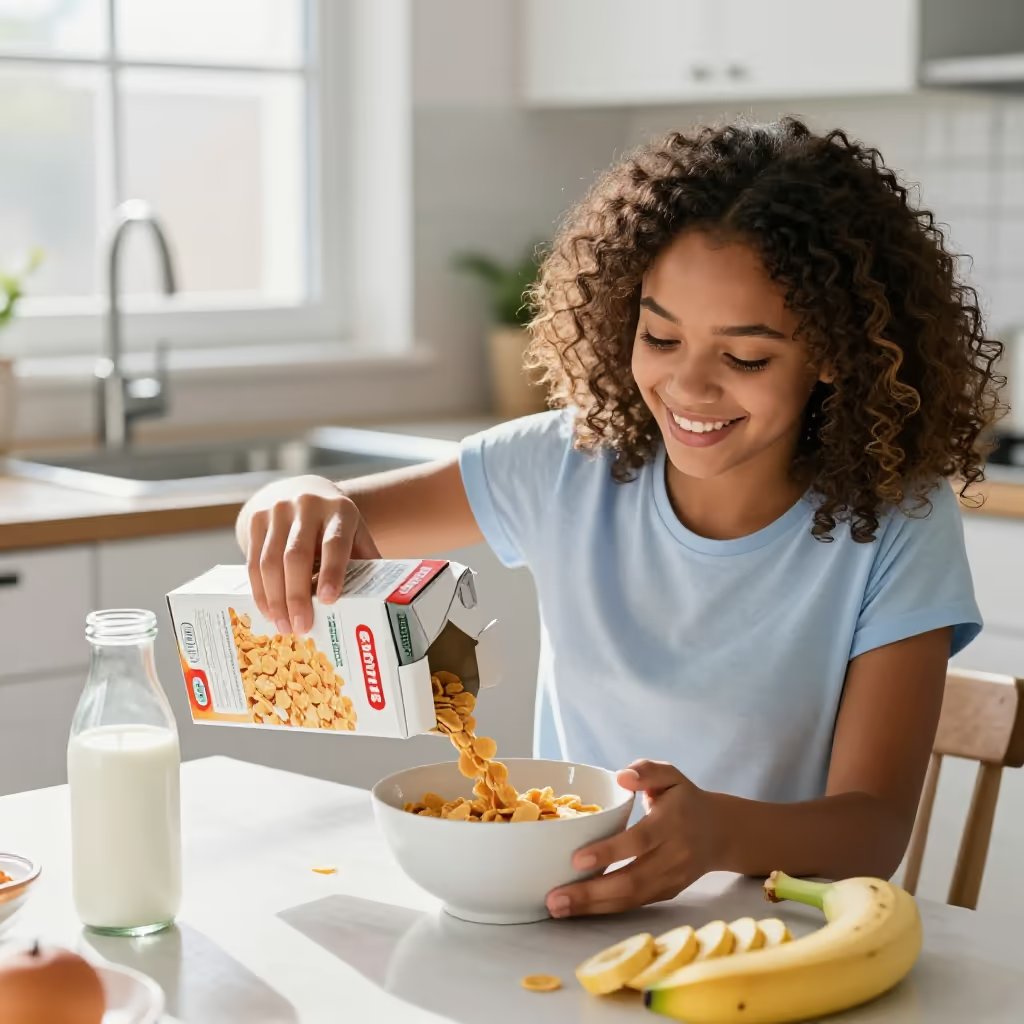
'das Müsli' and 'die Cornflakes' are often eaten for breakfast with milk or yogurt. The difference lies in what they are made of. Müsli is a mixture, for example of cereal flakes, nuts, seeds, and dried fruit. Cornflakes are toasted flakes made from corn and are usually a single breakfast product. Learners may confuse the words because both are eaten in a bowl with milk. If you mean a mixed breakfast food, 'Müsli' fits. If you mean the crunchy corn flakes, 'Cornflakes' fits.
Müsli
Zum Frühstück mischt Luis sein Müsli mit Joghurt und frischem Obst.
For breakfast, Luis mixes his muesli with yogurt and fresh fruit.
Cornflakes
In der Pause isst Julian Cornflakes mit Milch.
During the break, Julian eats cornflakes with milk.