

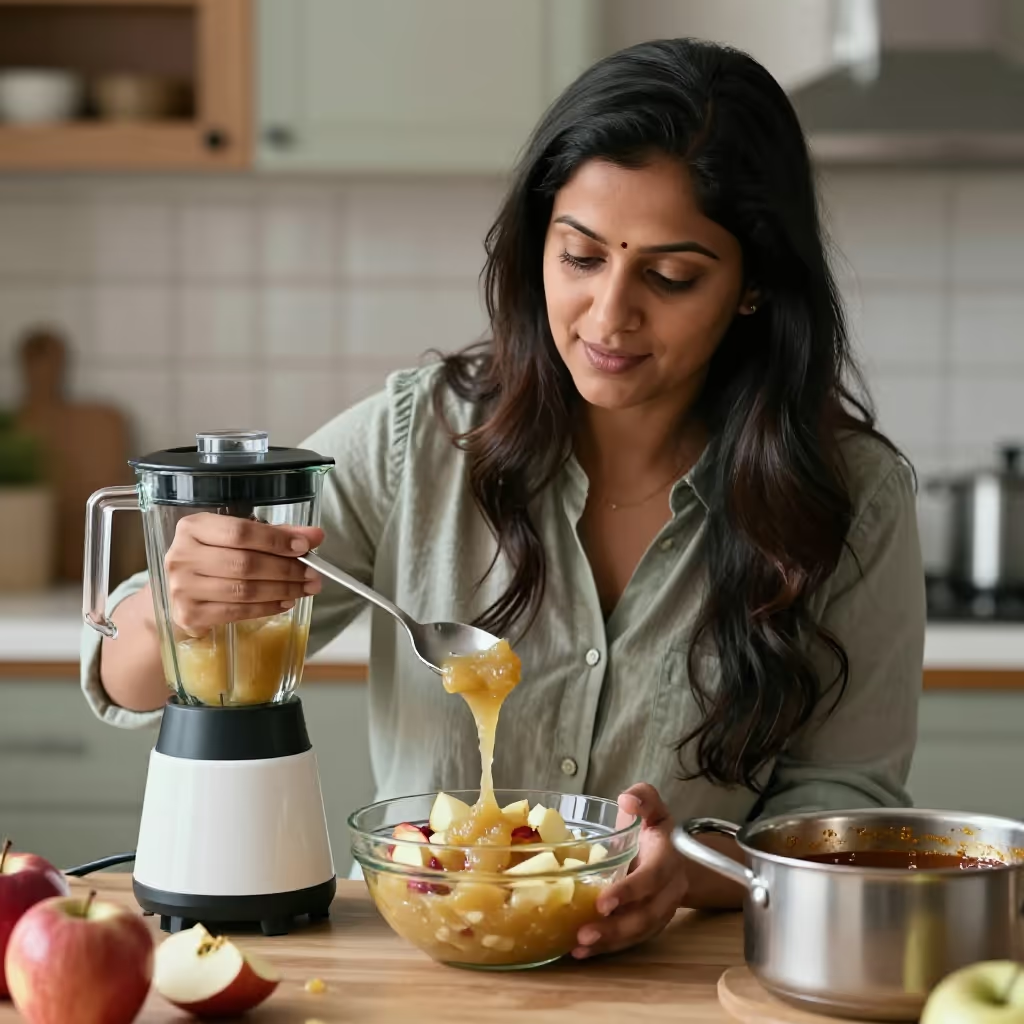
das Mus
purée
A thick, mushy mass made by cooking and puréeing fruit or vegetables.
EXAMPLE
Zum Nachtisch gibt es Pfannkuchen mit Apfelmus.
For dessert, there are pancakes with applesauce.
purée / mush
Loading your saved state.
purée
A thick, mushy mass made by cooking and puréeing fruit or vegetables.
Zum Nachtisch gibt es Pfannkuchen mit Apfelmus.
For dessert, there are pancakes with applesauce.

mush
Colloquially, an unrecognizable, crushed, or destroyed mass.
Nach dem Sturz aus der Einkaufstüte waren die Pfirsiche nur noch Mus.
After falling out of the shopping bag, the peaches were just mush.
As a rule, 'Mus' (purée / mush) is an uncountable noun and is used without an article or with 'etwas' (some). People normally do not say 'einem Mus' or 'zwei Musen'.
Möchtest du noch etwas Mus zu deinen Kartoffelpuffern?
Would you like some more purée with your potato pancakes?
The word 'Mus' (purée) is often used as the second part of compound words to name the type. The most common form is 'Apfelmus' (applesauce).
Im Herbst kochen wir oft unser eigenes Pflaumenmus.
In autumn, we often make our own plum purée.
In the colloquial meaning, 'Mus' (mush) is almost always used with the preposition 'zu' (to / into). It vividly describes the result of destruction: something becomes 'zu Mus' (into mush).
Die Tomaten in der Tasche wurden leider zu Mus gequetscht.
Unfortunately, the tomatoes in the bag got squashed into mush.
porridge / mush
„Brei“ and „Mus“ can both refer to a thick, soft food made from fruit. „Brei“ tends to emphasize the soft, thick consistency, while „Mus“ is used for a mass made by deliberately cooking and puréeing fruit or vegetables.
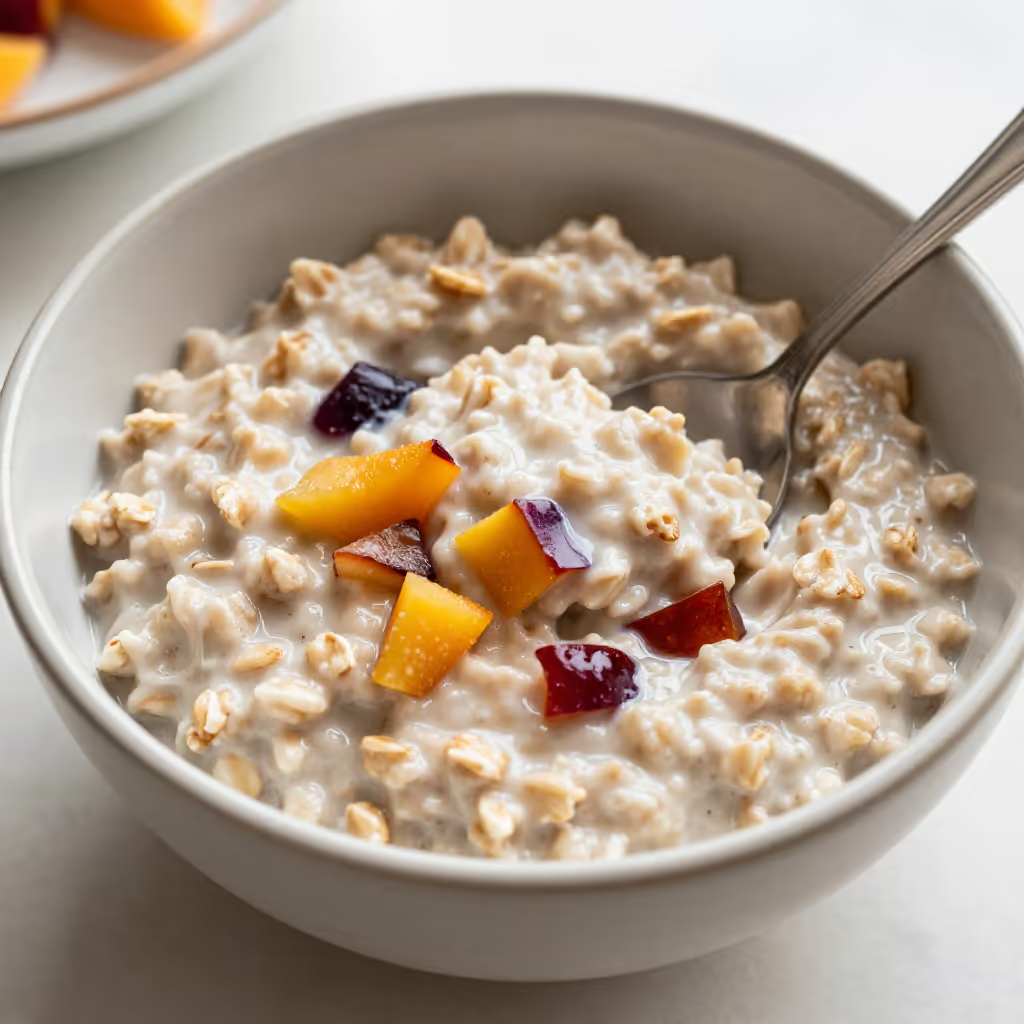
Sie kochte und pürierte die Äpfel zu einem feinen Mus.
She cooked and puréed the apples into a fine apple purée.
Die weich gekochten Apfelstücke zerfielen zu einem dicken Brei.
The soft-cooked apple pieces broke down into a thick mush.