

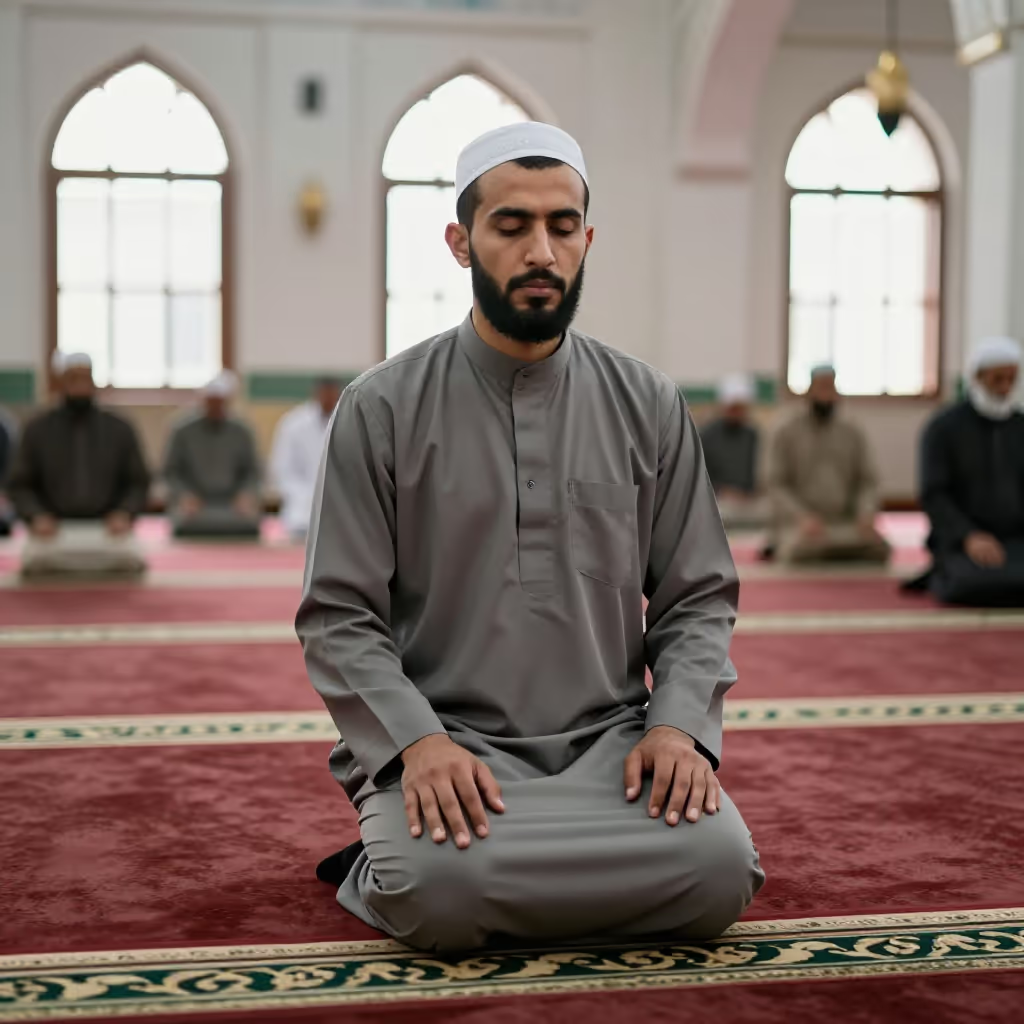
der Muslim
Muslim
A male follower of the religion of Islam. The female form is 'die Muslima' (female Muslim).
EXAMPLE
Als gläubiger Muslim betet er fünfmal am Tag.
As a devout Muslim, he prays five times a day.
Muslim
Loading your saved state.
Muslim
A male follower of the religion of Islam. The female form is 'die Muslima' (female Muslim).
Als gläubiger Muslim betet er fünfmal am Tag.
As a devout Muslim, he prays five times a day.
'Der Muslim' (the Muslim) belongs to the n-declension. This means that it takes the ending '-en' in the accusative, dative, and genitive singular, as well as throughout the plural. A common mistake is forgetting this ending.
Ich habe gestern einen Muslimen kennengelernt.
I met a Muslim yesterday.
The related adjective is 'muslimisch' (Muslim/Islamic). It is used to describe things that have to do with Islam or its followers, for example culture, traditions, or countries.
Ramadan ist ein muslimischer Fastenmonat.
Ramadan is a Muslim month of fasting.
Common adjectives that describe 'Muslim' are 'gläubig' (devout) or 'praktizierend' (practicing), to describe the degree of religious observance.
Er ist ein praktizierender Muslim und geht regelmäßig in die Moschee.
He is a practicing Muslim and regularly goes to the mosque.
Islamist
Muslim refers to a man's religious affiliation. Islamist, on the other hand, refers to his support for a political, Islam-based social and state order and is often associated with radical interpretations. A Muslim is therefore not an Islamist simply because of his faith.
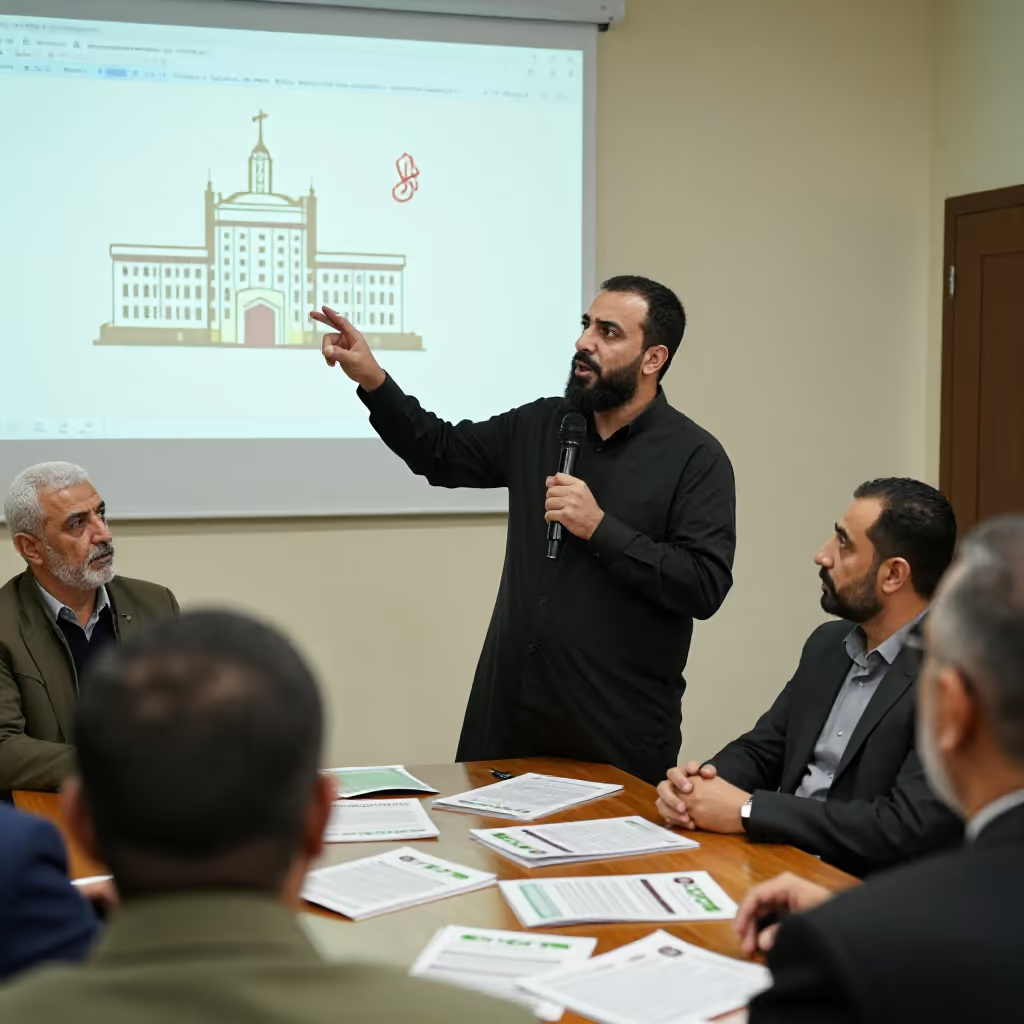
Der neue Nachbar ist Muslim und besucht regelmäßig die Moschee.
The new neighbor is Muslim and regularly attends the mosque.
Der politische Redner ist Islamist und fordert eine Staatsordnung auf Grundlage des Islams.
The political speaker is an Islamist and calls for a state order based on Islam.