

nachspielen
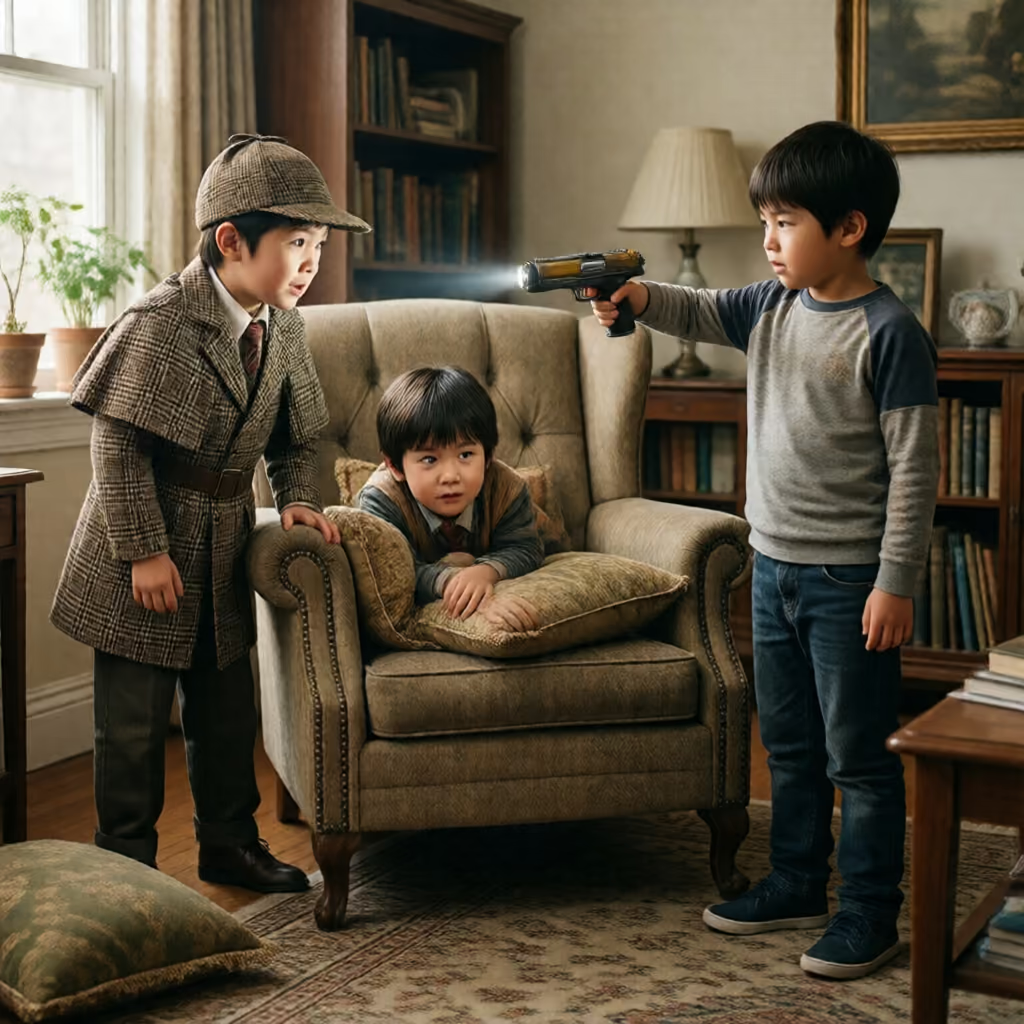
to reenact
To reproduce an action, scene, or the course of a game as accurately as possible through play.
EXAMPLE
Die Kinder spielten eine Szene aus ihrem Lieblingsfilm nach.
The children reenacted a scene from their favorite film.
to replay / reenact
nachspielen – spielte nach – hat nachgespielt
Loading your saved state.
to reenact
To reproduce an action, scene, or the course of a game as accurately as possible through play.
Die Kinder spielten eine Szene aus ihrem Lieblingsfilm nach.
The children reenacted a scene from their favorite film.
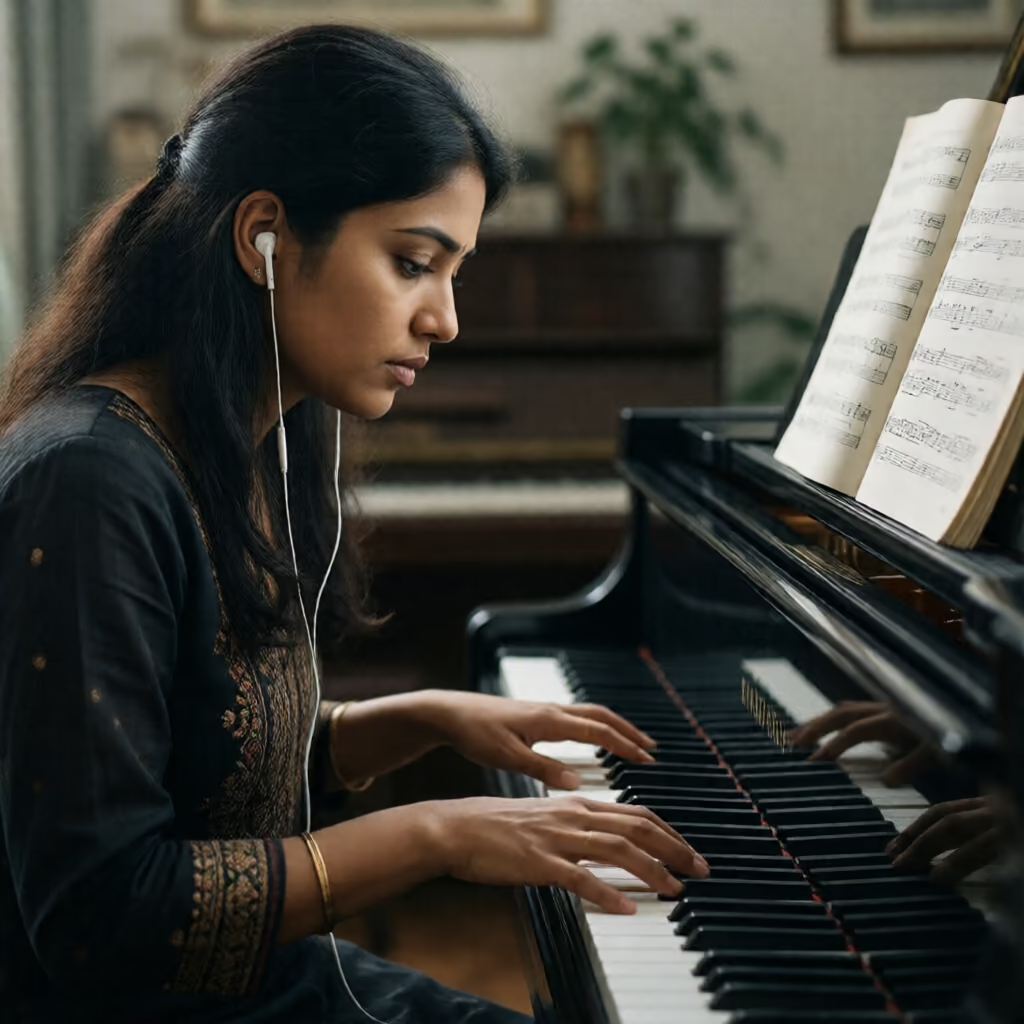
to play back
To reproduce a piece of music that one has heard on an instrument.
Sie konnte die Melodie nach einmaligem Hören auf dem Klavier nachspielen.
After hearing it just once, she was able to play back the melody on the piano.
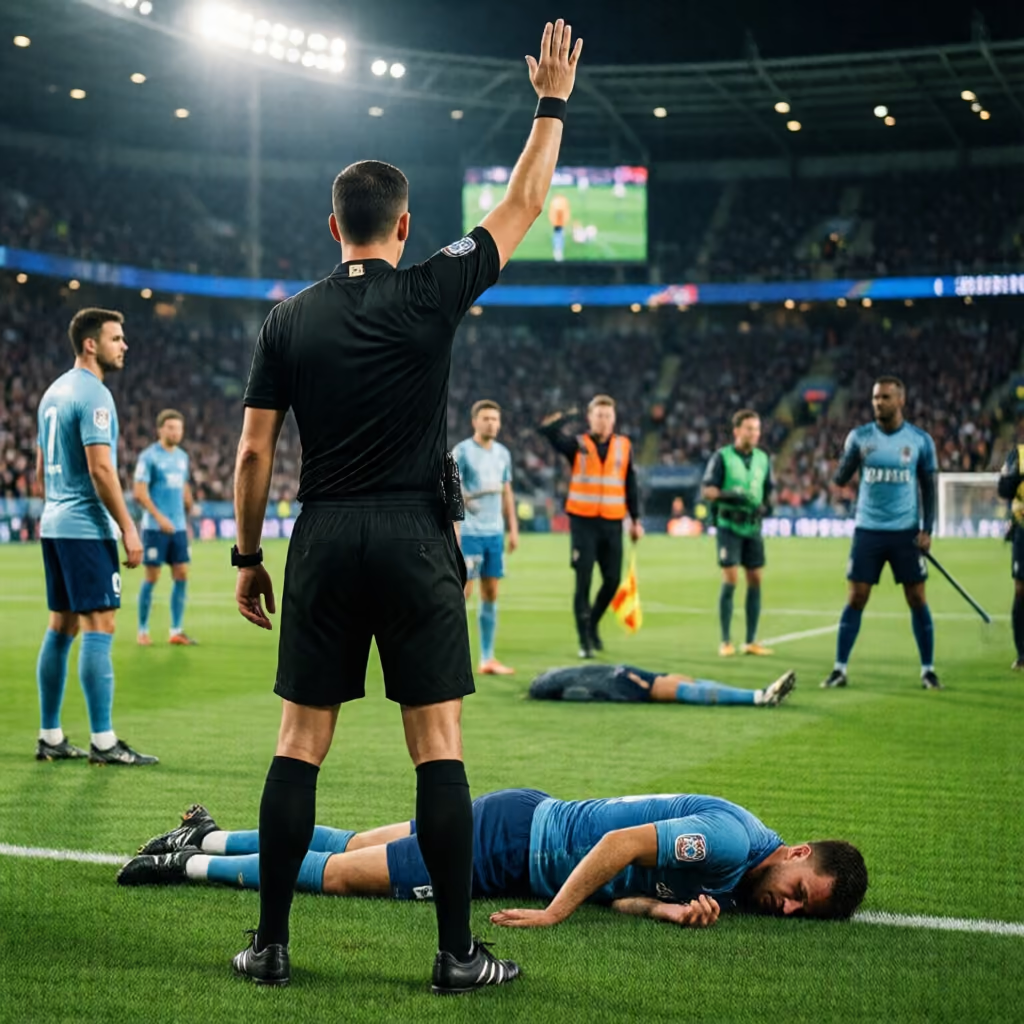
to play additional time
In sports, to continue playing beyond the regular playing time in order to make up for time lost through interruptions.
Wegen der langen Verletzungspause ließ die Schiedsrichterin sechs Minuten nachspielen.
Because of the lengthy injury stoppage, the referee allowed six minutes of additional time.
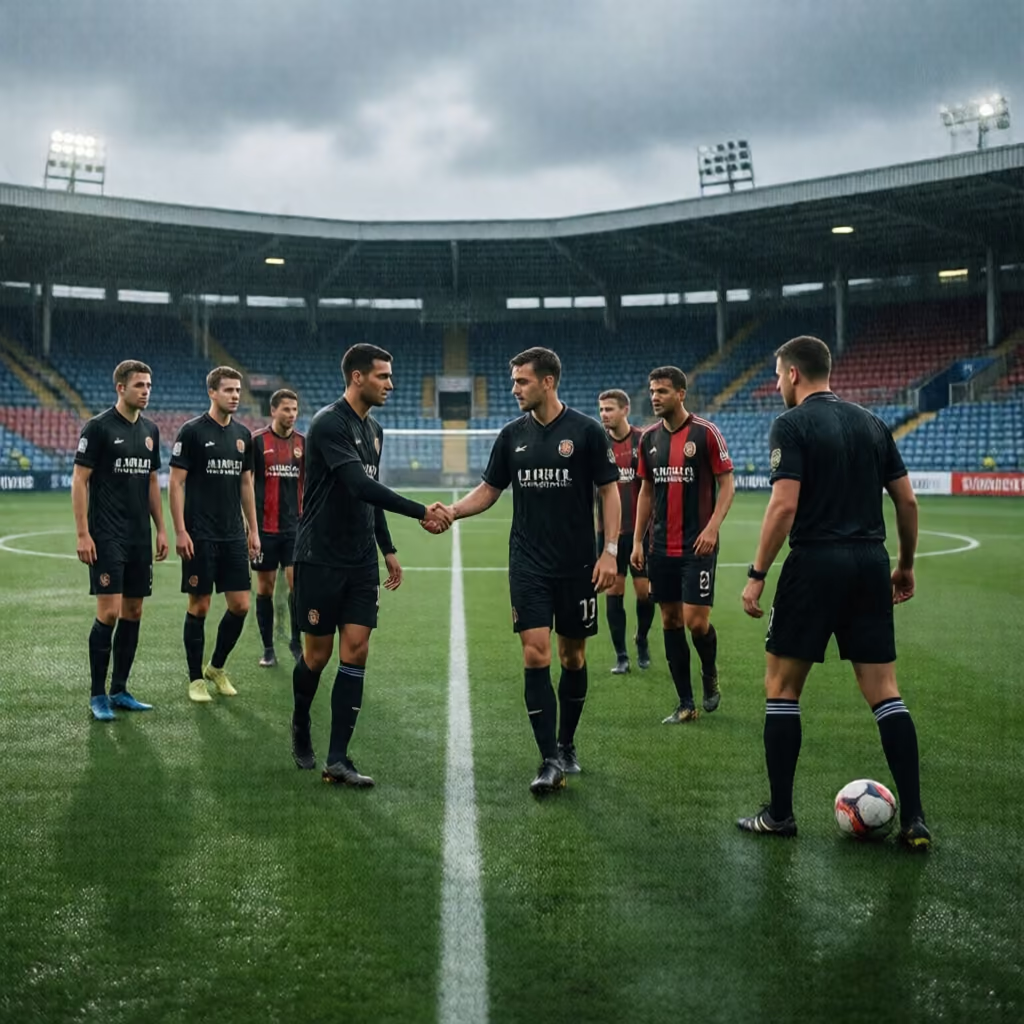
to replay
To play a canceled game or an unplayed part of a match at a later time.
Die wegen des Unwetters ausgefallene Partie wird am Dienstag nachgespielt.
The match that was canceled because of the storm will be replayed on Tuesday.
| ich | spiele nach |
|---|---|
| du | spielst nach |
| er/sie/es | spielt nach |
| wir | spielen nach |
| ihr | spielt nach |
| sie | spielen nach |
| ich | spielte nach |
|---|---|
| du | spieltest nach |
| er/sie/es | spielte nach |
| wir | spielten nach |
| ihr | spieltet nach |
| sie | spielten nach |
| ich | habe nachgespielt |
|---|---|
| du | hast nachgespielt |
| er/sie/es | hat nachgespielt |
| wir | haben nachgespielt |
| ihr | habt nachgespielt |
| sie | haben nachgespielt |
| du | spiel nach! spiele nach! |
|---|---|
| ihr | spielt nach! |
| Sie | spielen Sie nach! |
| ich | hatte nachgespielt |
|---|---|
| du | hattest nachgespielt |
| er/sie/es | hatte nachgespielt |
| wir | hatten nachgespielt |
| ihr | hattet nachgespielt |
| sie | hatten nachgespielt |
| ich | werde nachspielen |
|---|---|
| du | wirst nachspielen |
| er/sie/es | wird nachspielen |
| wir | werden nachspielen |
| ihr | werdet nachspielen |
| sie | werden nachspielen |
| ich | spiele nach |
|---|---|
| du | spielest nach |
| er/sie/es | spiele nach |
| wir | spielen nach |
| ihr | spielet nach |
| sie | spielen nach |
Used for reported speech.
| ich | spielte nach |
|---|---|
| du | spieltest nach |
| er/sie/es | spielte nach |
| wir | spielten nach |
| ihr | spieltet nach |
| sie | spielten nach |
Used for wishes and “would”.
| infinitive | nachspielen |
|---|---|
| with zu | nachzuspielen |
| present participle | nachspielend |
| past participle | nachgespielt |
“Nachspielen” (to replay / reenact) is a separable verb. In a main clause, “nach” (after / back) appears at the end of the sentence; in a subordinate clause, the verb remains together. With the infinitive using “zu” (to), “zu” comes between the prefix and the stem.
Die Kinder spielen die Szene begeistert nach.
The children enthusiastically reenact the scene.
Sie lacht, weil die Kinder die Szene nachspielen.
She laughs because the children are reenacting the scene.
Es macht ihnen Spaß, die Szene nachzuspielen.
They enjoy reenacting the scene.
Here, depending on the meaning, the prefix “nach-” indicates imitation or reproduction, replaying a canceled game, or adding extra playing time.
Die Schauspieler spielen den historischen Ablauf nach.
The actors reenact the historical events.
In this meaning, “nachspielen” (to reenact) is often used with “eine Szene” (a scene), “eine Rolle” (a role), “einen Film” (a film), or “eine Situation” (a situation). It often describes what the people or children are portraying.
Im Theaterkurs spielten die Jugendlichen eine Situation aus dem Alltag nach.
In drama class, the teenagers reenacted a situation from everyday life.
When referring to music, “nachspielen” (to play back) is often used with “eine Melodie” (a melody), “ein Lied” (a song), or “ein Stück” (a piece). It is often also stated that someone is playing by ear or on a particular instrument.
Der Gitarrist konnte das kurze Stück sofort nachspielen.
The guitarist was able to play back the short piece immediately.
In sports, “nachspielen” (to play additional time) refers to extra playing time after interruptions. It is typically used with a time expression and the verb “lassen” (to allow) when the officials order this time to be added.
Nach mehreren Auswechslungen und einer Rudelbildung ließ der Schiedsrichter fünf Minuten nachspielen.
After several substitutions and a confrontation between players, the referee allowed five minutes of additional time.
For a canceled or abandoned game, “nachspielen” (to replay) is often used when the match later takes place again in full or in part. Signal words include “ausgefallen” (canceled), “verschoben” (postponed), and “später” (later).
Die verschobene Partie soll am kommenden Wochenende nachgespielt werden.
The postponed match is supposed to be replayed next weekend.