

nass
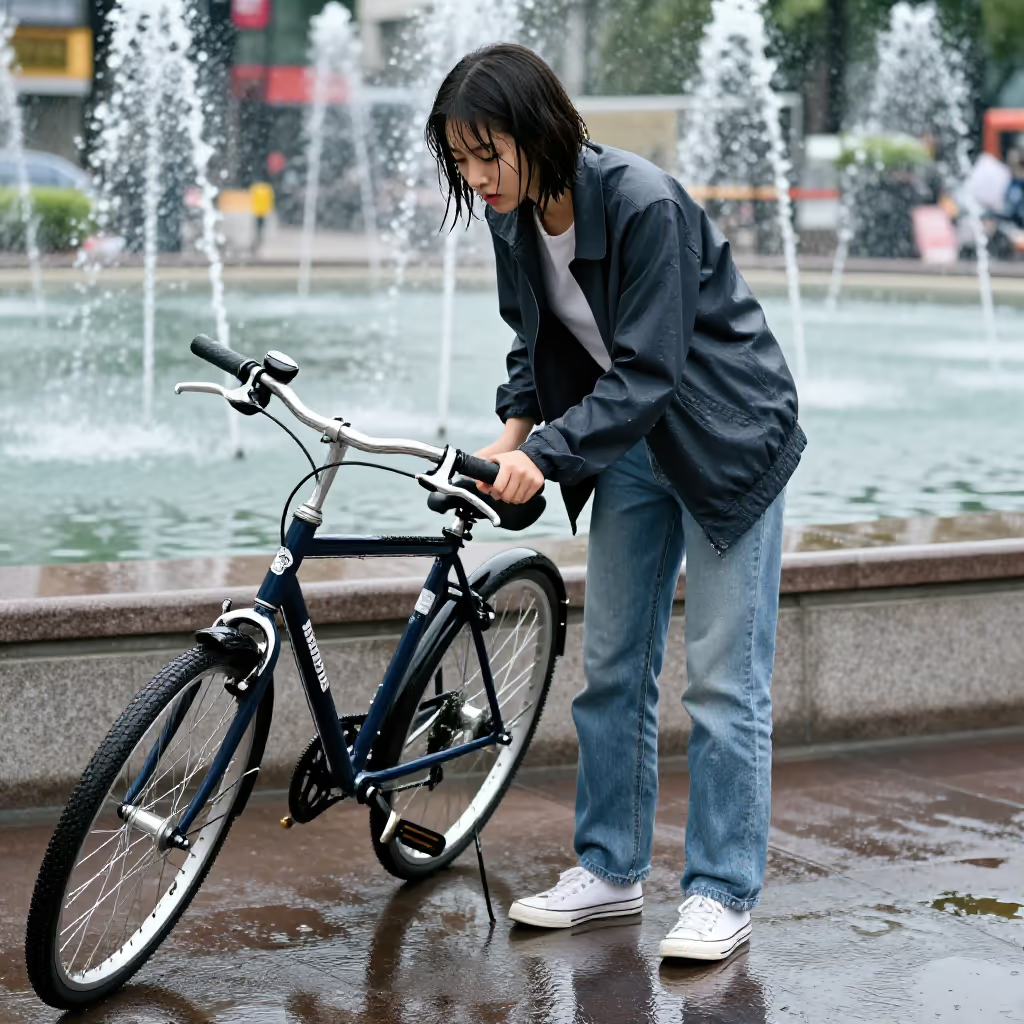
wet
Covered with or soaked through with water or another liquid.
EXAMPLE
Meine Schuhe sind vom Regen komplett nass geworden.
My shoes got completely wet from the rain.
wet
Loading your saved state.
wet
Covered with or soaked through with water or another liquid.
Meine Schuhe sind vom Regen komplett nass geworden.
My shoes got completely wet from the rain.
wet
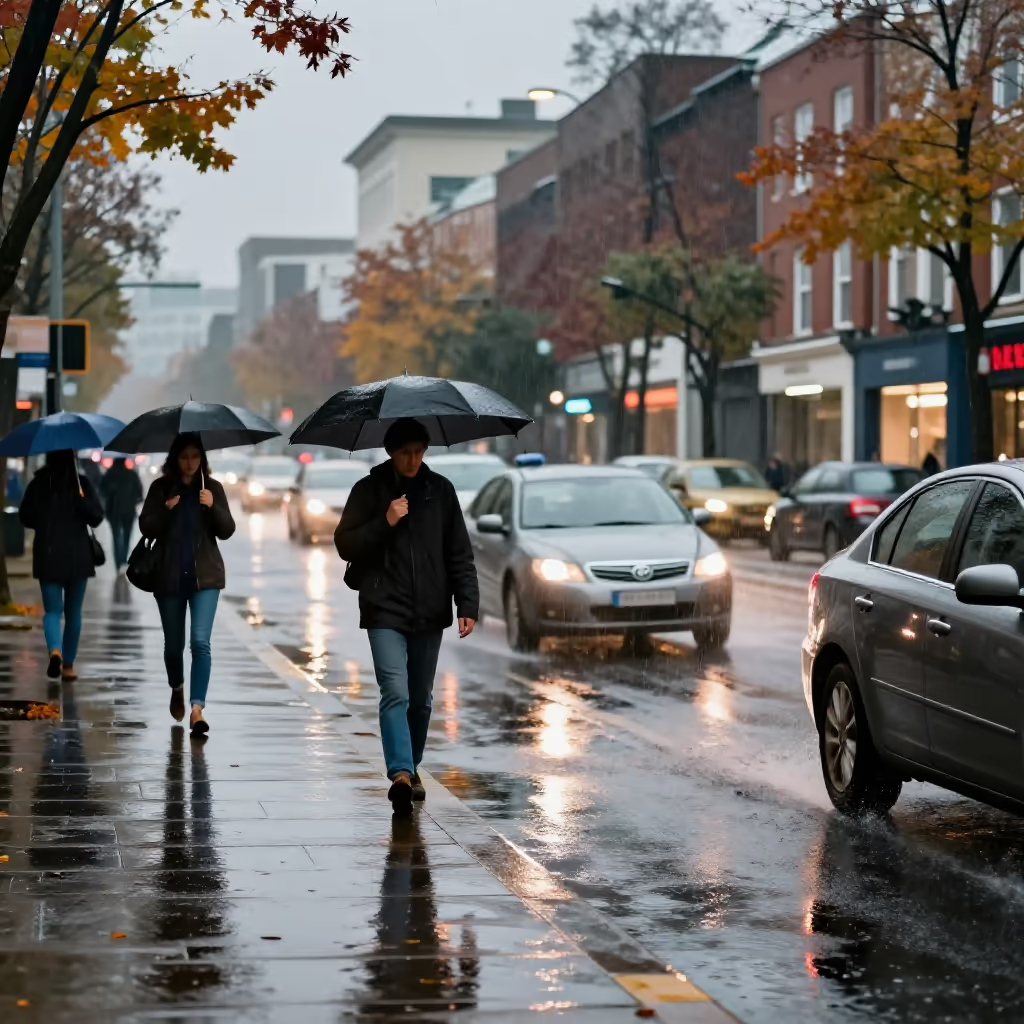
Describes weather characterized by a lot of rain.
Wir hatten einen kalten und nassen Sommer.
We had a cold and wet summer.

to get scared stiff
Colloquial for being very afraid. More rarely also literal for wetting oneself.
Mach dich nicht gleich nass, es ist nur eine kleine Spinne.
Don't get scared stiff right away; it's only a small spider.
drunk
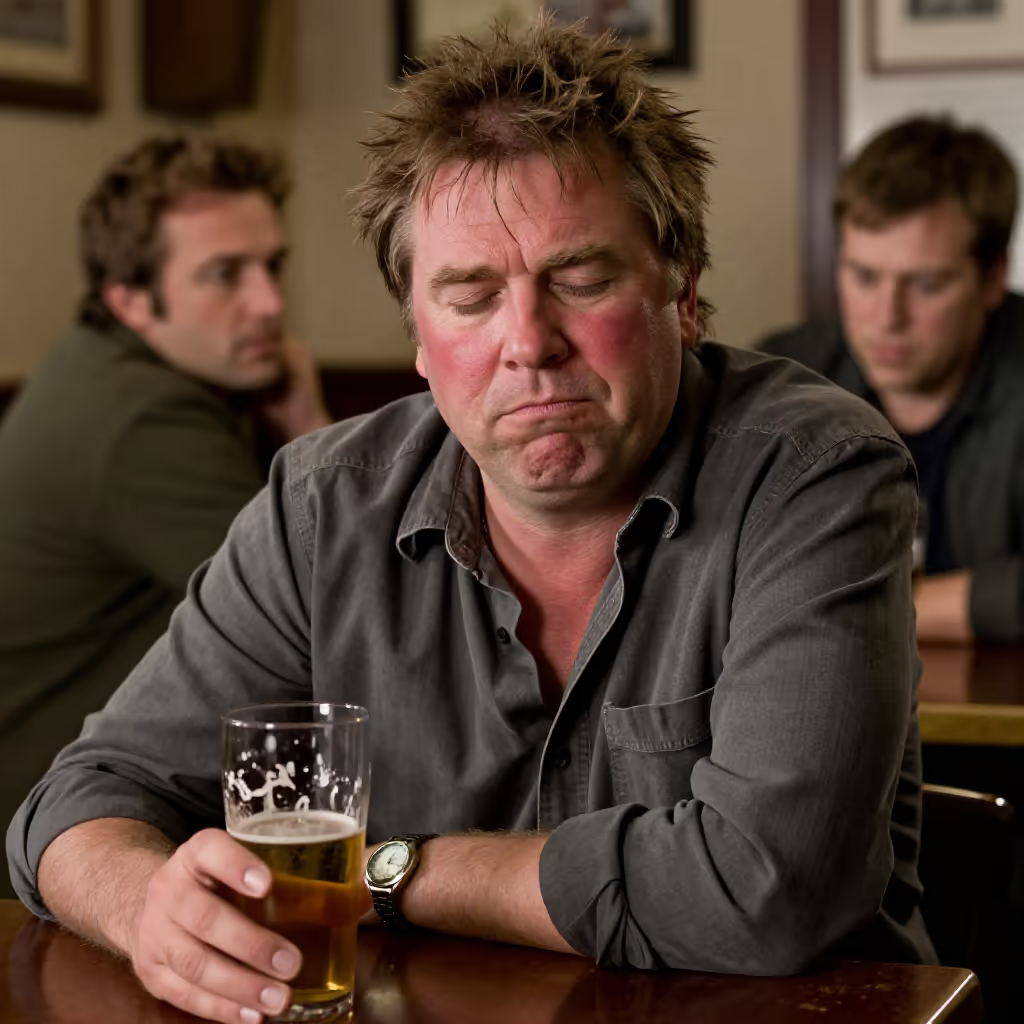
Colloquial and becoming outdated for drunk.
Nach der Feier waren einige Gäste ziemlich nass.
After the party, some of the guests were pretty drunk.
The adjective 'nass' (wet) belongs to the word family around the noun 'die Nässe' (wetness/moisture). While 'nass' describes the state, 'die Nässe' refers to the liquid or moisture itself.
Wegen der Nässe auf dem Boden bin ich ausgerutscht.
Because of the wetness on the floor, I slipped.
To emphasize that something is very wet, colloquial intensifiers like 'klatschnass' (soaking wet), 'pitschnass' (soaking wet), or 'pudelnass' (soaking wet) are often used.
Ich bin ohne Schirm in den Regen geraten und war danach klatschnass.
I got caught in the rain without an umbrella and was soaking wet afterward.
With reference to the weather, 'nass' (wet) is often combined with 'kalt' (cold) to form 'nasskalt' (cold and damp). This word describes unpleasant, damp and cold weather that is typical of autumn or winter.
Bei diesem nasskalten Wetter möchte man am liebsten zu Hause bleiben.
In this cold, damp weather, you just want to stay at home.
The colloquial expression 'sich nass machen' (to get scared stiff / to wet oneself) is reflexive and is often combined with the preposition 'vor' (of/from) to state the reason for the fear.
Er macht sich schon vor einer kleinen Prüfung fast nass.
He practically gets scared stiff even before a small exam.
The meaning 'betrunken' (drunk) is highly colloquial and is used less often today. It usually appears in a very informal, spoken context.
Nach zehn Bier war er ziemlich nass und konnte kaum noch gerade stehen.
After ten beers, he was pretty drunk and could barely stand up straight.
drunk
Nass can also mean “drunk” in colloquial and old-fashioned usage, but this meaning depends heavily on the context. Betrunken is the neutral and generally understood standard term for a person affected by alcohol.

In der alten Kneipengeschichte war der Gast nach fünf Bier völlig nass.
In the old pub story, the guest was completely drunk after five beers.
Im heutigen Polizeibericht wurde der Gast nach fünf Bier als betrunken beschrieben.
In today's police report, the guest was described as drunk after five beers.