

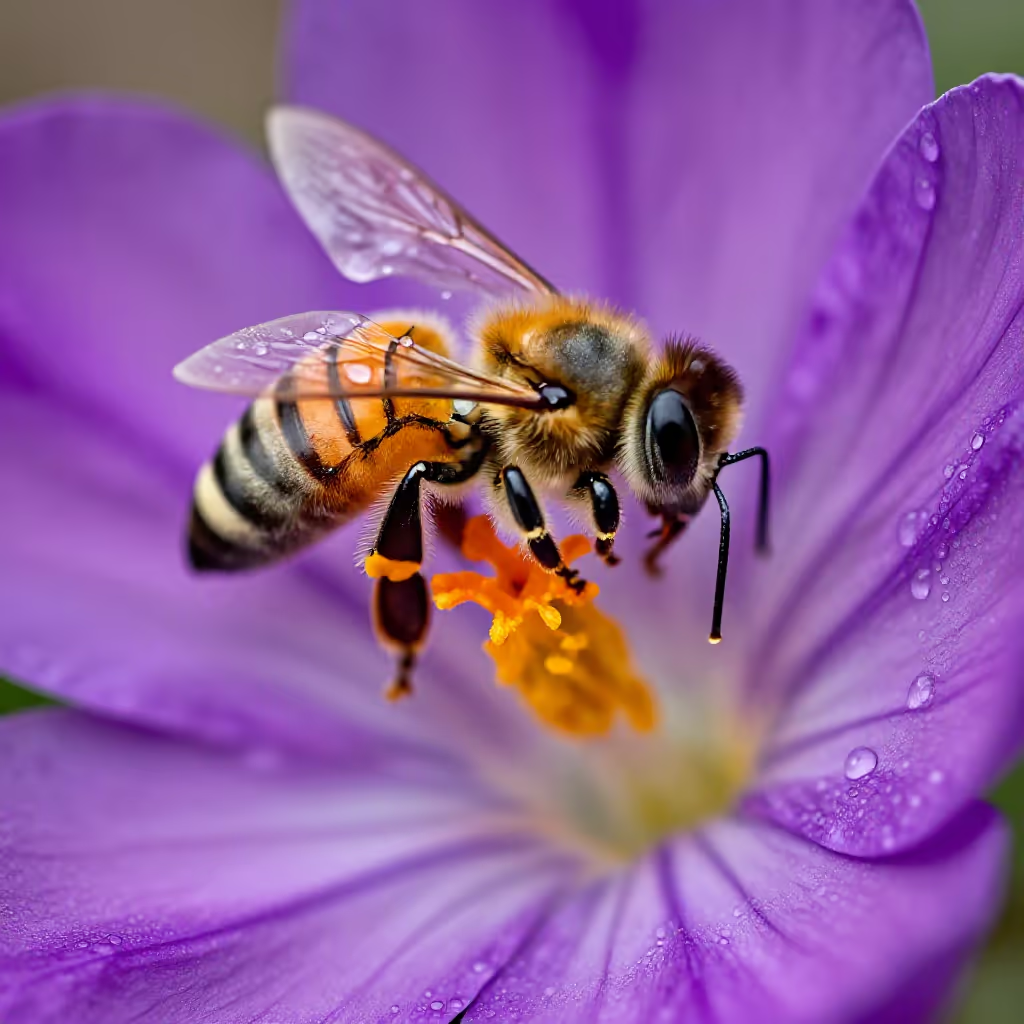
der Nektar
nectar
The sugary juice that flowering plants secrete to attract animals such as bees and butterflies for pollination.
EXAMPLE
Die Biene sammelt Nektar von den Blüten.
The bee collects nectar from the flowers.
nectar
Loading your saved state.
nectar
The sugary juice that flowering plants secrete to attract animals such as bees and butterflies for pollination.
Die Biene sammelt Nektar von den Blüten.
The bee collects nectar from the flowers.
nectar
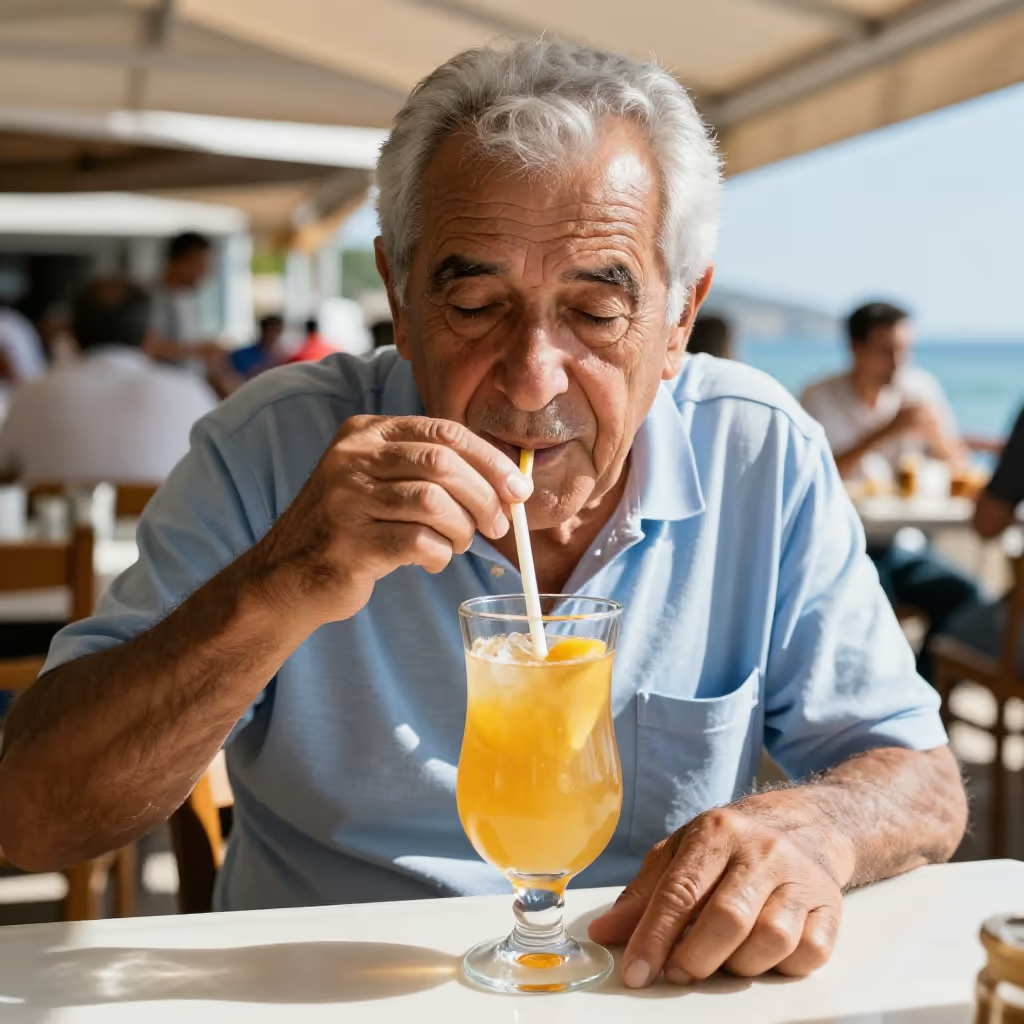
In a figurative sense, a particularly delicious and pleasant-tasting drink. In Greek mythology, it was the drink of the gods.
Dieser frisch gepresste Orangensaft schmeckt wie reiner Nektar.
This freshly squeezed orange juice tastes like pure nectar.
The meaning of 'Nektar' (nectar) is easy to recognize from context. If it is about plants, bees, or insects, it refers to flower nectar. If it is about the taste of a drink, the figurative meaning is intended.
Schmetterlinge saugen Nektar aus den Blüten.
Butterflies suck nectar from the flowers.
In a biological context, nectar is 'collected' or 'sucked' by insects such as bees or butterflies. Flowers 'produce', 'contain', or 'secrete' nectar.
Die Bienen sammeln den Nektar und machen daraus Honig.
The bees collect the nectar and make honey from it.
In the figurative meaning, 'Nektar' (nectar) is an expressive and elevated term. It is often used as an exaggeration (hyperbole) to emphasize how delicious a drink is.
Nach der langen Wanderung war das kühle Wasser für uns wie Nektar.
After the long hike, the cool water was like nectar to us.
juice / power
Here, „Saft“ neutrally refers to a drink made from fruit. „Nektar“ can also mean a drink, but it is then a figurative, positive term for something especially delicious. „Saft“ is the right choice for the normal product name; „Nektar“ emphasizes the special enjoyment.
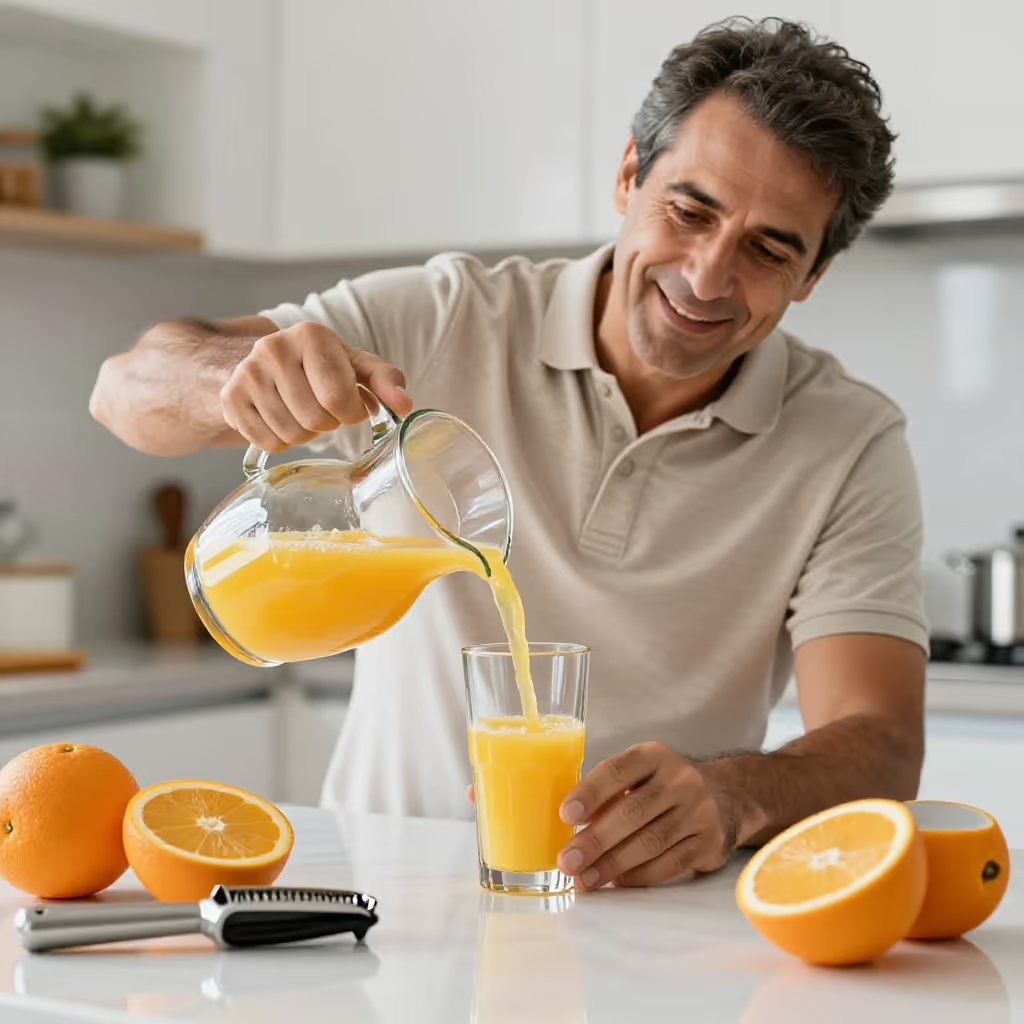
Nach der Wanderung nennt Lea den kalten Pfirsichsaft einen köstlichen Nektar.
After the hike, Lea calls the cold peach juice a delicious nectar.
Nach der Wanderung trinkt Lea einen kalten Pfirsichsaft.
After the hike, Lea drinks a cold peach juice.