

niederländisch
Dutch
Relating to the Netherlands, its inhabitants, its language, or its culture.
EXAMPLE
Der niederländische Maler Rembrandt ist weltberühmt.
The Dutch painter Rembrandt is world-famous.
Dutch
Loading your saved state.
Dutch
Relating to the Netherlands, its inhabitants, its language, or its culture.
Der niederländische Maler Rembrandt ist weltberühmt.
The Dutch painter Rembrandt is world-famous.
The word is derived from 'die Niederlande' (the Netherlands). This name literally means 'the low lands' and describes the country's flat geography, which is partly below sea level.
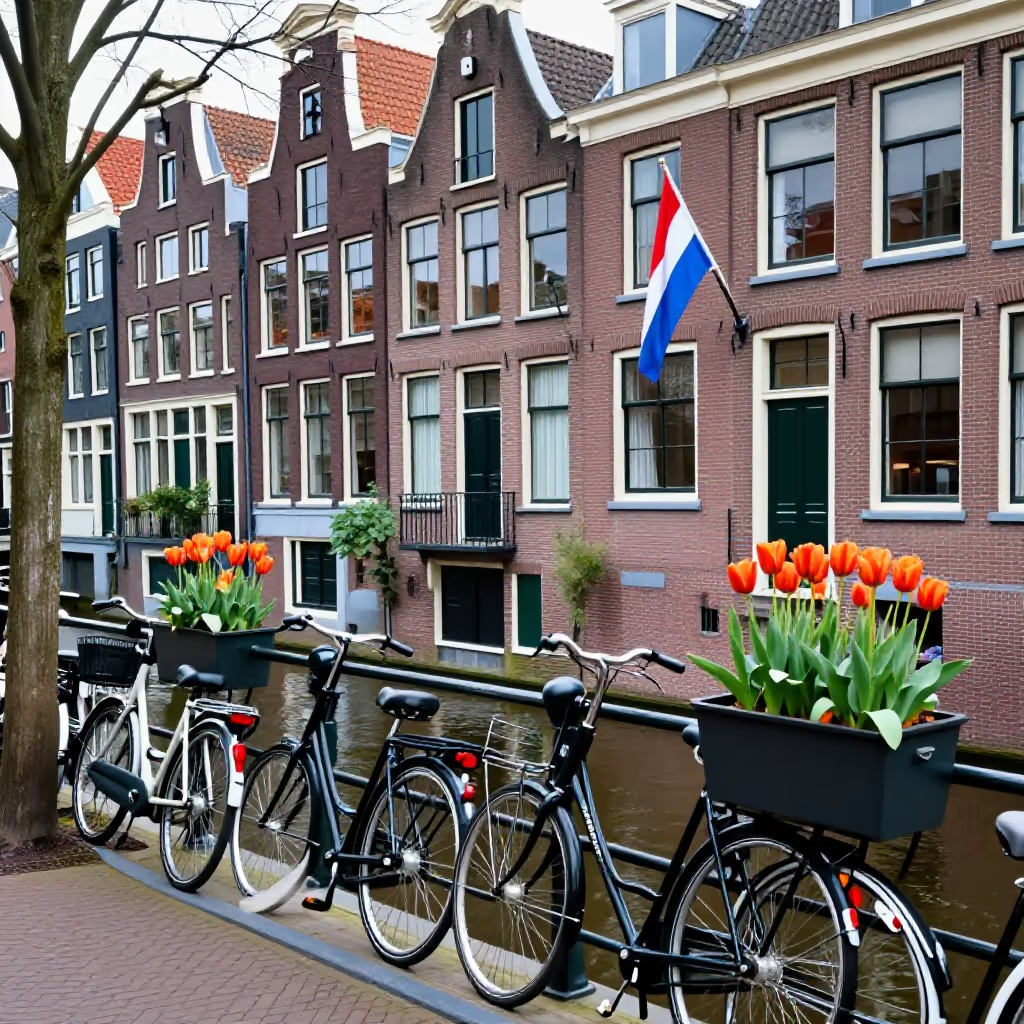
Die niederländische Landschaft ist bekannt für ihre Windmühlen und Tulpenfelder.
The Dutch landscape is known for its windmills and tulip fields.
Like other adjectives, 'niederländisch' (Dutch) is written in lowercase in German. Proper names are an exception: if it is part of an official name, it is capitalized.
Ich lerne gerade die niederländische Sprache.
I am currently learning the Dutch language.
Common combinations are 'die niederländische Küste' (the Dutch coast), 'niederländischer Käse' (Dutch cheese), or 'die niederländische Königsfamilie' (the Dutch royal family).
Im Urlaub haben wir leckeren niederländischen Käse gegessen.
On vacation, we ate delicious Dutch cheese.
Dutch
„Niederländisch“ correctly refers to the Netherlands as a whole, its inhabitants, or its language. „Holländisch“ more precisely refers to North and South Holland, but is often used colloquially for the whole country. For general statements about the Netherlands, „niederländisch“ is the better choice.
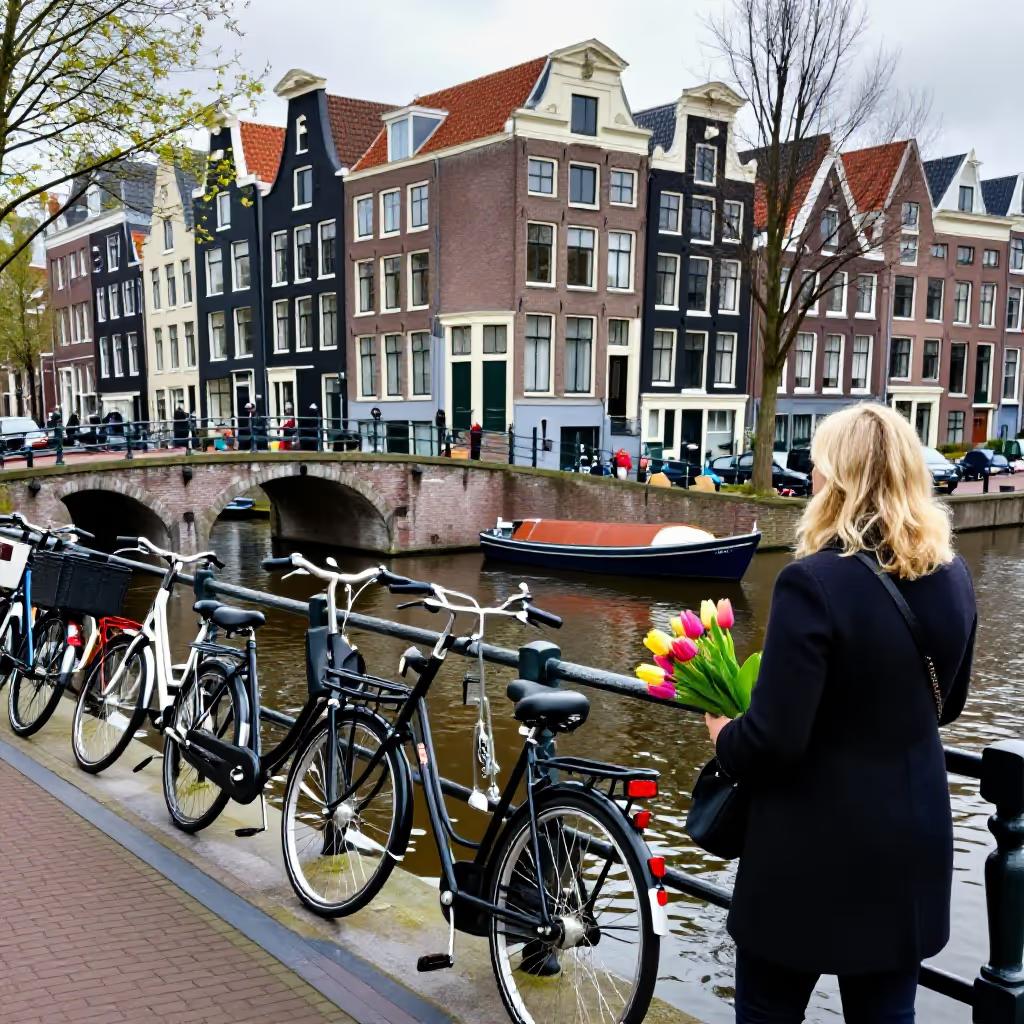
Die Amtssprache der gesamten Niederlande ist Niederländisch.
The official language of the Netherlands as a whole is Dutch.
Die Familie aus der Provinz Nordholland pflegt viele holländische Traditionen.
The family from the province of North Holland maintains many Dutch traditions.