

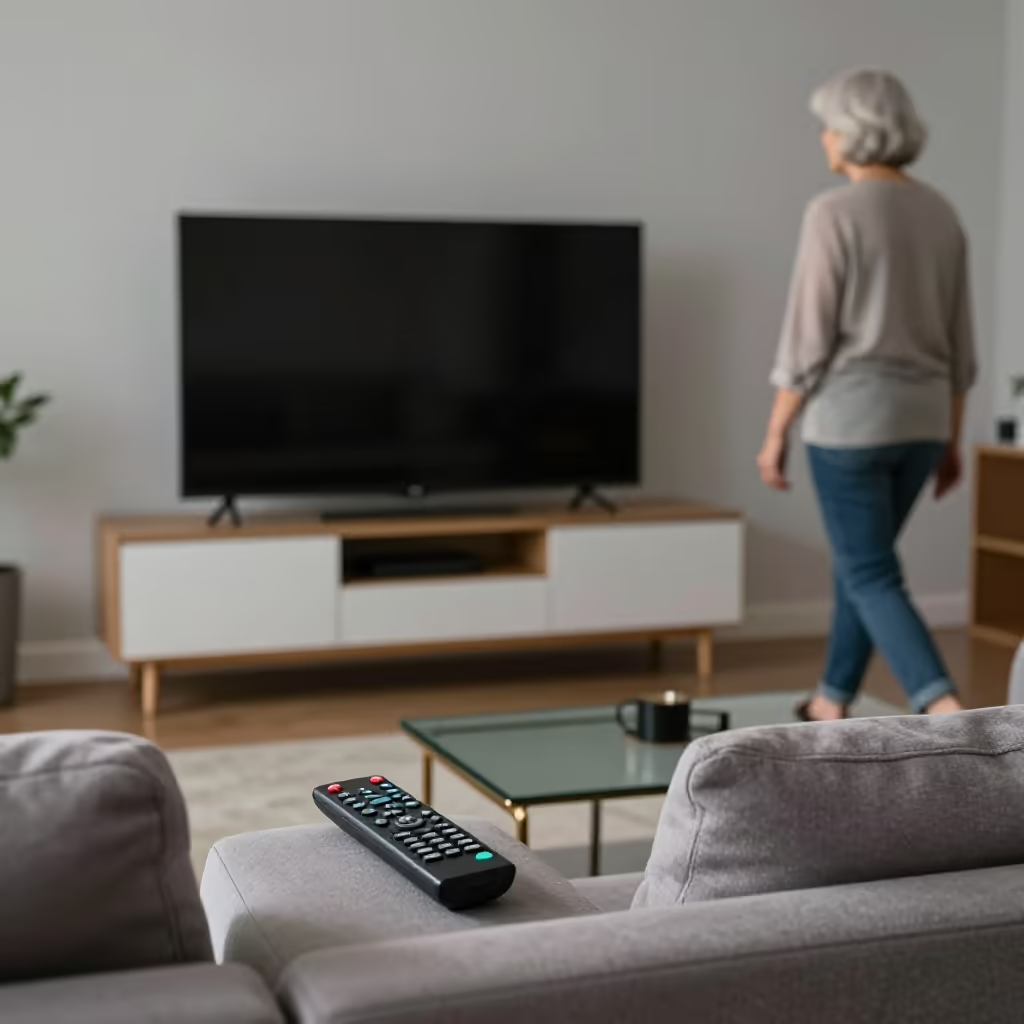
off
Switched off, not in operation. Used mainly for electrical devices and is the opposite of 'on'.
EXAMPLE
Mach bitte das Licht off, wenn du den Raum verlässt.
Please turn the light off when you leave the room.
Loading your saved state.
Switched off, not in operation. Used mainly for electrical devices and is the opposite of 'on'.
Mach bitte das Licht off, wenn du den Raum verlässt.
Please turn the light off when you leave the room.
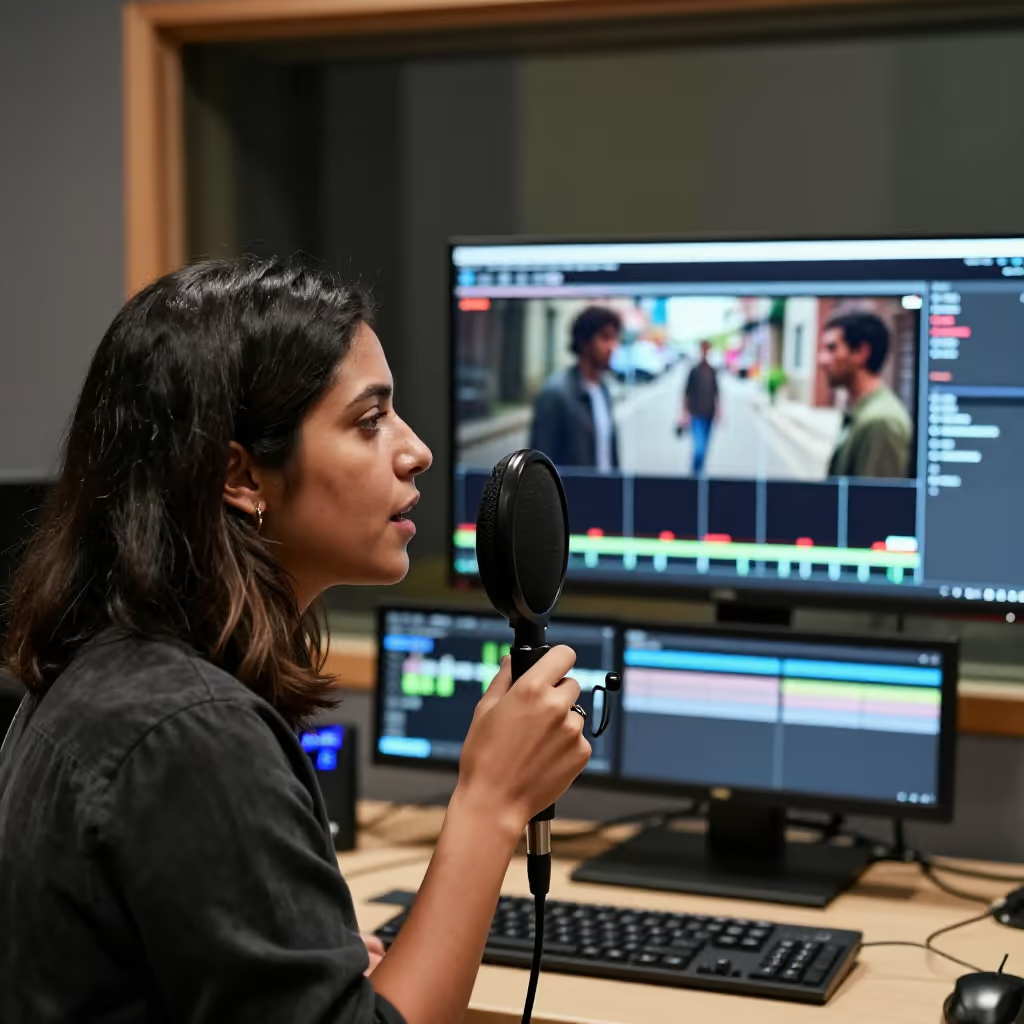
off-screen
In film or theater, the term for a voice or sound whose source is not visible to the audience.
Die Stimme des Erzählers kam aus dem Off.
The narrator's voice came from off-screen.

Colloquial for having time off, not having to work.
Ich habe morgen den ganzen Tag off und kann ausschlafen.
I have the whole day off tomorrow and can sleep in.
'Off' is a loanword from English. It has become established mainly in colloquial speech for certain narrowly defined meanings.
Ist der Fernseher an oder off?
Is the TV on or off?
In the meaning 'ausgeschaltet' (switched off), 'off' is usually used with the verbs 'sein' (to be, for the state) or 'machen' (to make/turn, for the action).
Das Radio ist noch off.
The radio is still off.
The expression 'aus dem Off' (from off-screen/offstage) is a fixed technical term from film, television, and theater. It describes a voice or sound whose source you do not see in the image.
Der Film beginnt mit einer Erzählerstimme aus dem Off.
The film begins with a narrator's voice from off-screen.
The phrase 'off haben' (to have off) is colloquial and means 'frei haben' (to have time off) or 'nicht arbeiten müssen' (not to have to work). It is often used in informal conversations about work.
Ich habe am Freitag off und wir könnten ins Kino gehen.
I have Friday off, and we could go to the movies.
from / out
“Aus” and “off” can mean, when used with an electrical device, that it is not running. “Aus” is the everyday German word for this, while “off” is also used, especially with devices. In a standard German sentence, “aus” is therefore usually the appropriate choice.
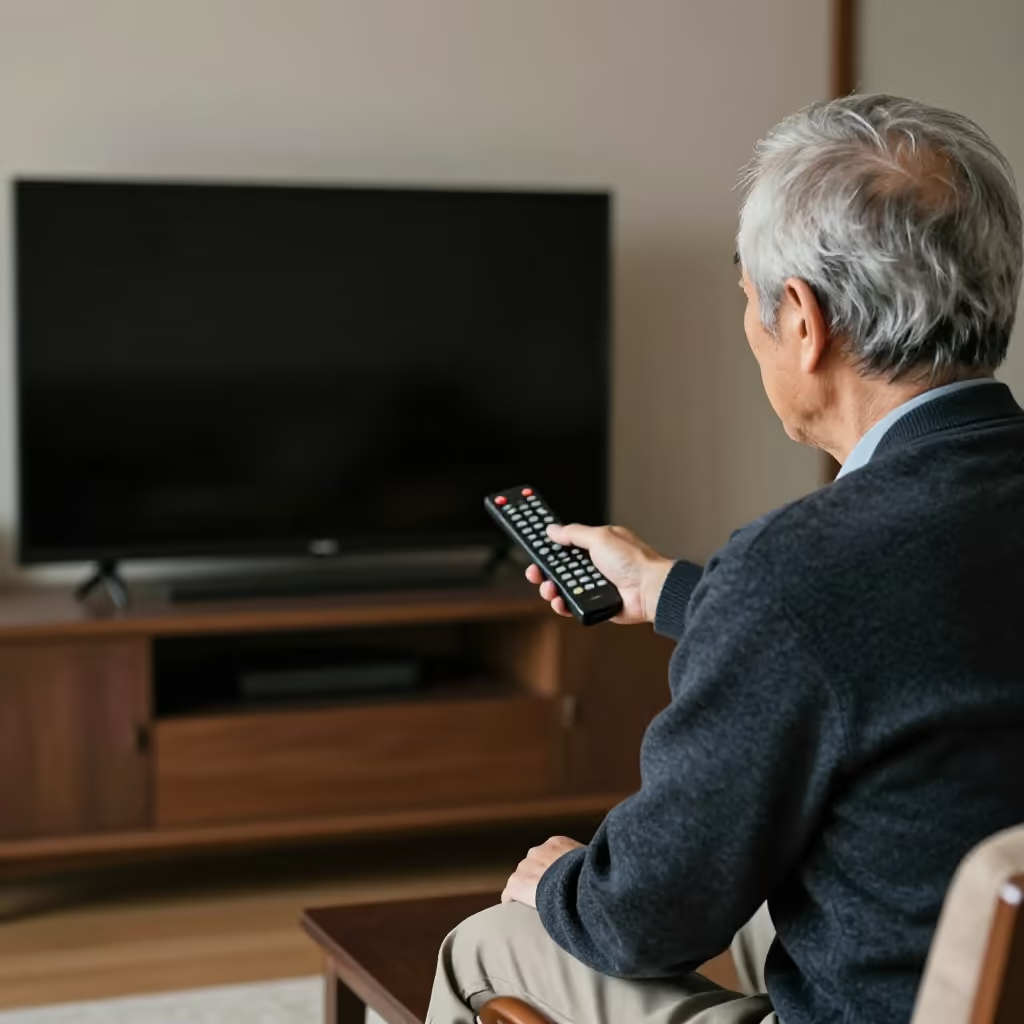
Auf dem Display steht, dass der Fernseher off ist.
The display says that the television is off.
Bitte schalte den Fernseher aus, wenn du ins Bett gehst.
Please turn off the television when you go to bed.