

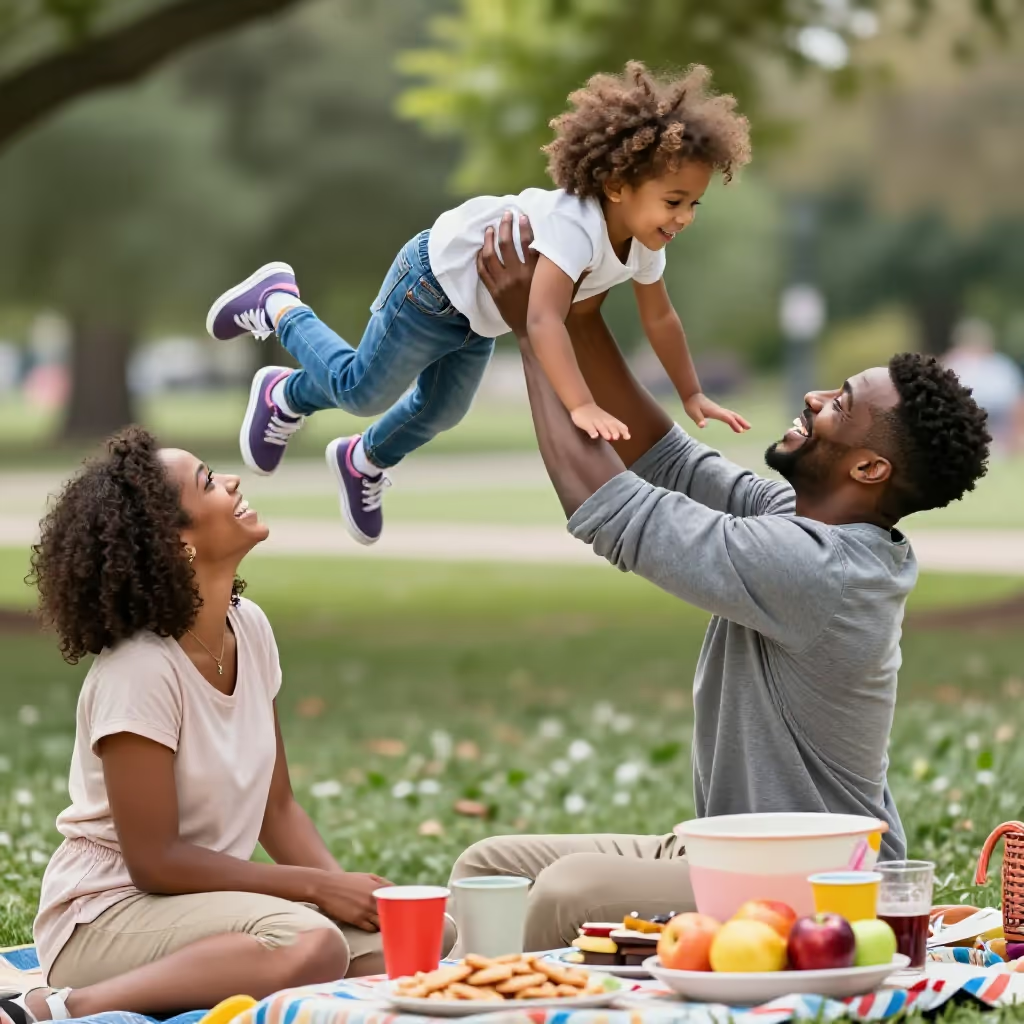
der Onkel
uncle
The brother of one's father or mother.
EXAMPLE
Mein Onkel mütterlicherseits ist Arzt.
My uncle on my mother's side is a doctor.
uncle
Loading your saved state.
uncle
The brother of one's father or mother.
Mein Onkel mütterlicherseits ist Arzt.
My uncle on my mother's side is a doctor.
uncle
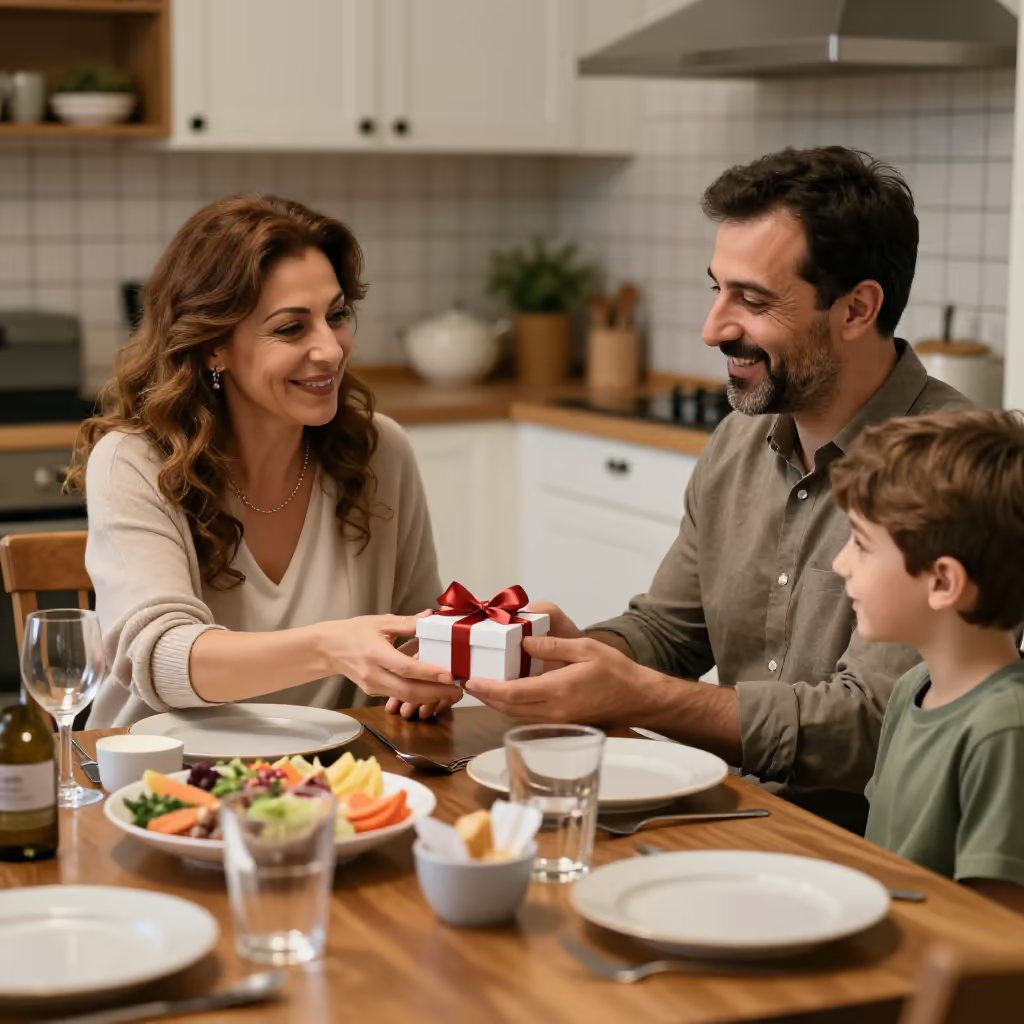
The husband of one's aunt.
Meine Tante Maria und mein Onkel Paul kommen uns am Wochenende besuchen.
My aunt Maria and my uncle Paul are coming to visit us at the weekend.
uncle
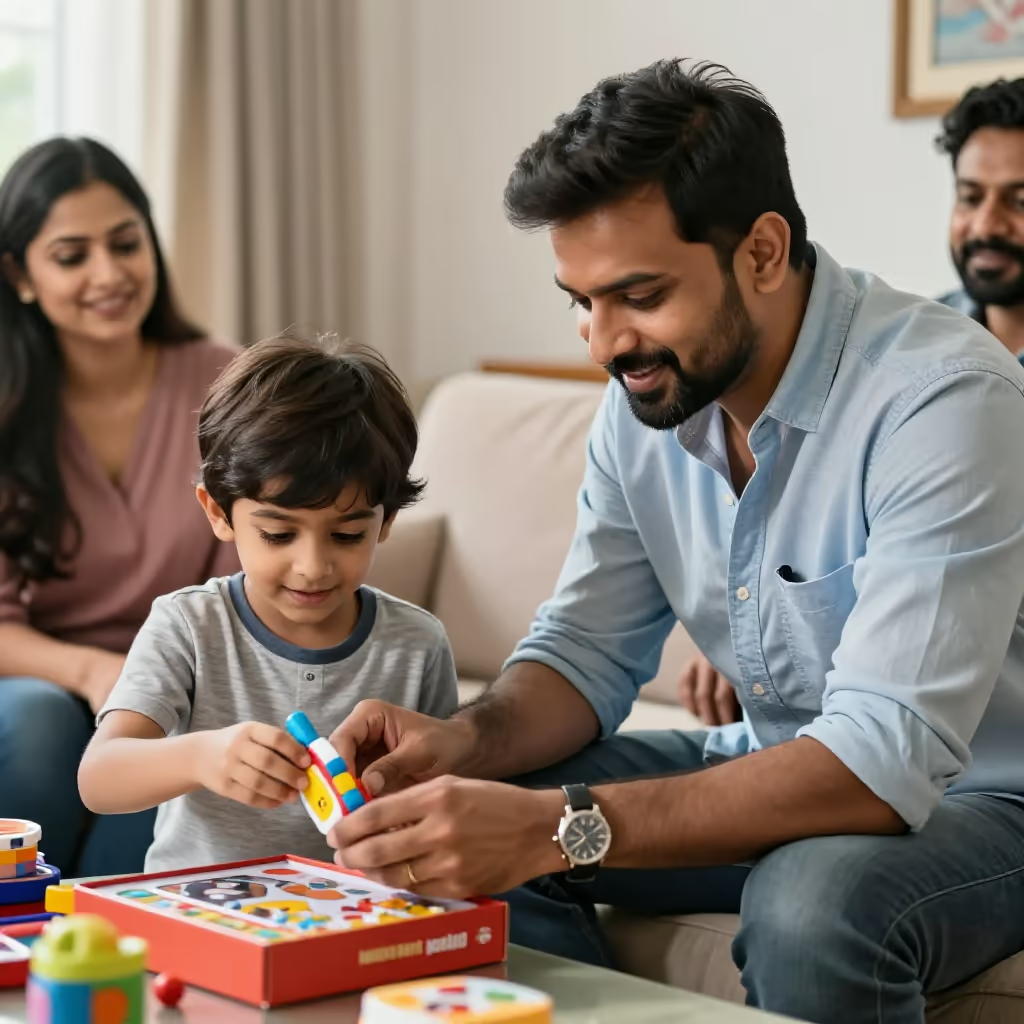
A colloquial, friendly form of address, often used by children, for an adult man who is a friend of the family.
Schau mal, der Onkel Martin hat uns ein Eis mitgebracht!
Look, Uncle Martin brought us some ice cream!
To make clear whether he is the brother of the father or the mother, you can add the adverbs 'väterlicherseits' (on the father's side) or 'mütterlicherseits' (on the mother's side).
Mein Onkel väterlicherseits lebt in Hamburg.
My uncle on my father's side lives in Hamburg.
If the uncle is not the brother of a parent but the husband of an aunt, he can be referred to as an 'angeheirateter Onkel' (uncle by marriage). In everyday life, however, this distinction is rarely made.
Streng genommen ist er nur mein angeheirateter Onkel, aber ich sehe ihn als Teil der Familie.
Strictly speaking, he is only my uncle by marriage, but I see him as part of the family.
The form of address 'Onkel' (uncle) for a friend of the family is very colloquial and is used mainly by children or when speaking with children. It expresses a close, family-like relationship.
Der Onkel Klaus kommt heute Abend zu Besuch.
Uncle Klaus is coming to visit this evening.
gentleman / Mr.
Herr used with a last name is a formal, polite form of address for a man. A child can also use Onkel for an adult family friend when this familiar form of address has been agreed on or is customary. Herr is appropriate when there is greater distance, while Onkel can fit when there is familial closeness.

Nach vielen gemeinsamen Jahren nennt Mia den Familienfreund vertraut „Onkel Paul“.
After many years of spending time together, Mia affectionately calls the family friend “Uncle Paul.”
Beim ersten Besuch begrüßt Mia den Familienfreund höflich mit „Herr Weber“.
On her first visit, Mia politely addresses the family friend as “Mr. Weber.”