


parieren
to parry
To fend off an attack, blow, or thrust, especially in fencing or a fight.
EXAMPLE
Der Boxer parierte den Schlag mit dem Unterarm.
The boxer parried the blow with his forearm.
to parry
parieren – parierte – hat pariert
Loading your saved state.
to parry
To fend off an attack, blow, or thrust, especially in fencing or a fight.
Der Boxer parierte den Schlag mit dem Unterarm.
The boxer parried the blow with his forearm.
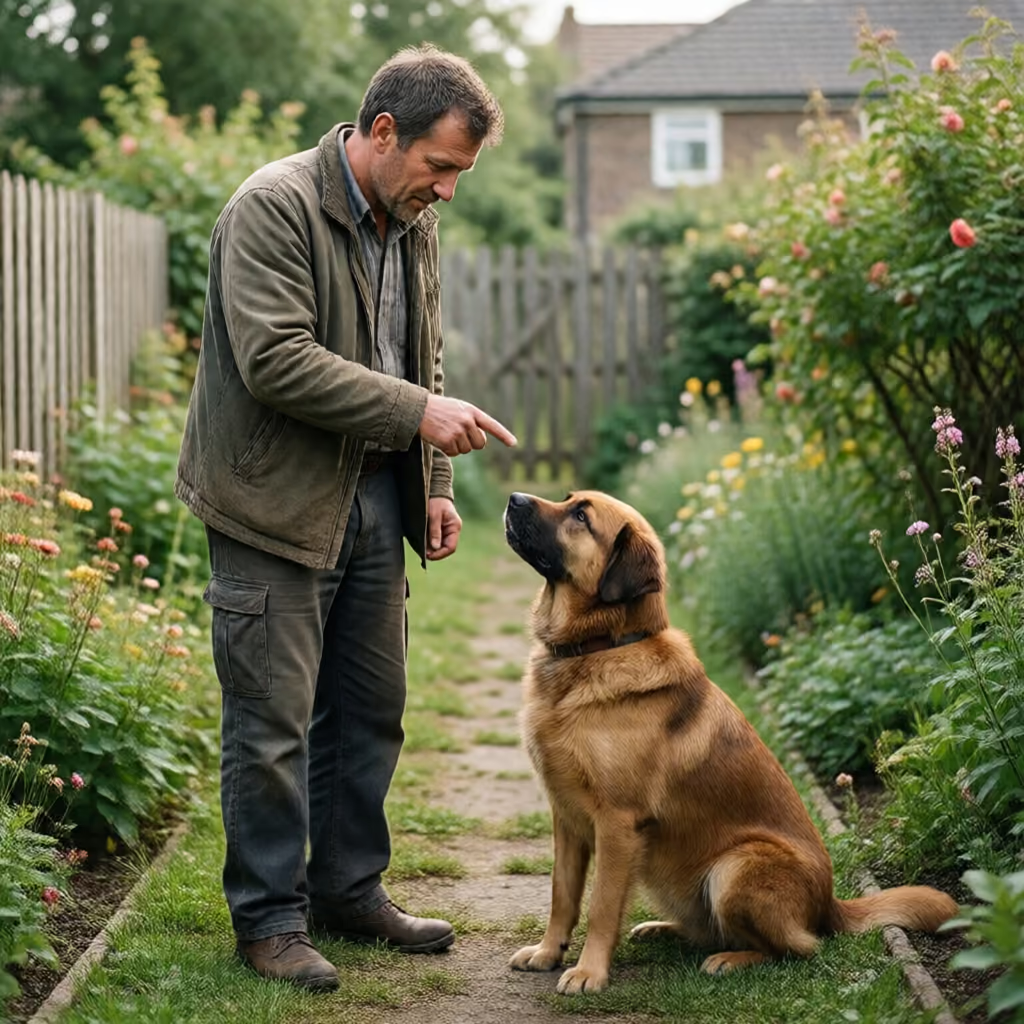
to obey
To obey a request or comply with an instruction; this meaning is generally colloquial.
Der Hund pariert aufs Wort.
The dog obeys on command.
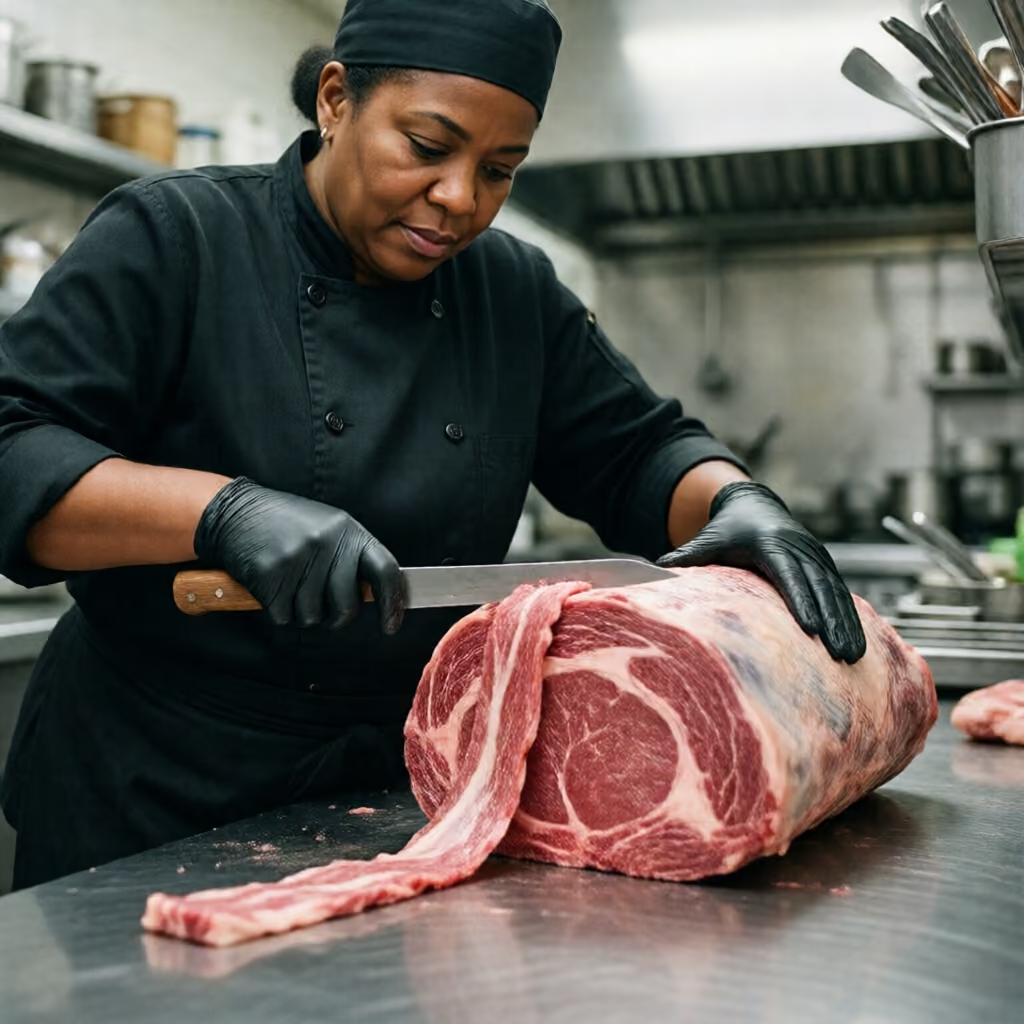
to trim
To remove skin, tendons, fat, or other unwanted parts from meat and prepare it for cooking.
Die Köchin pariert das Fleisch sorgfältig mit einem scharfen Messer.
The chef carefully trims the meat with a sharp knife.

to parry
To respond skillfully and often spontaneously to a question, objection, or attack.
Sie parierte die kritische Frage mit einer humorvollen Bemerkung.
She parried the critical question with a humorous remark.
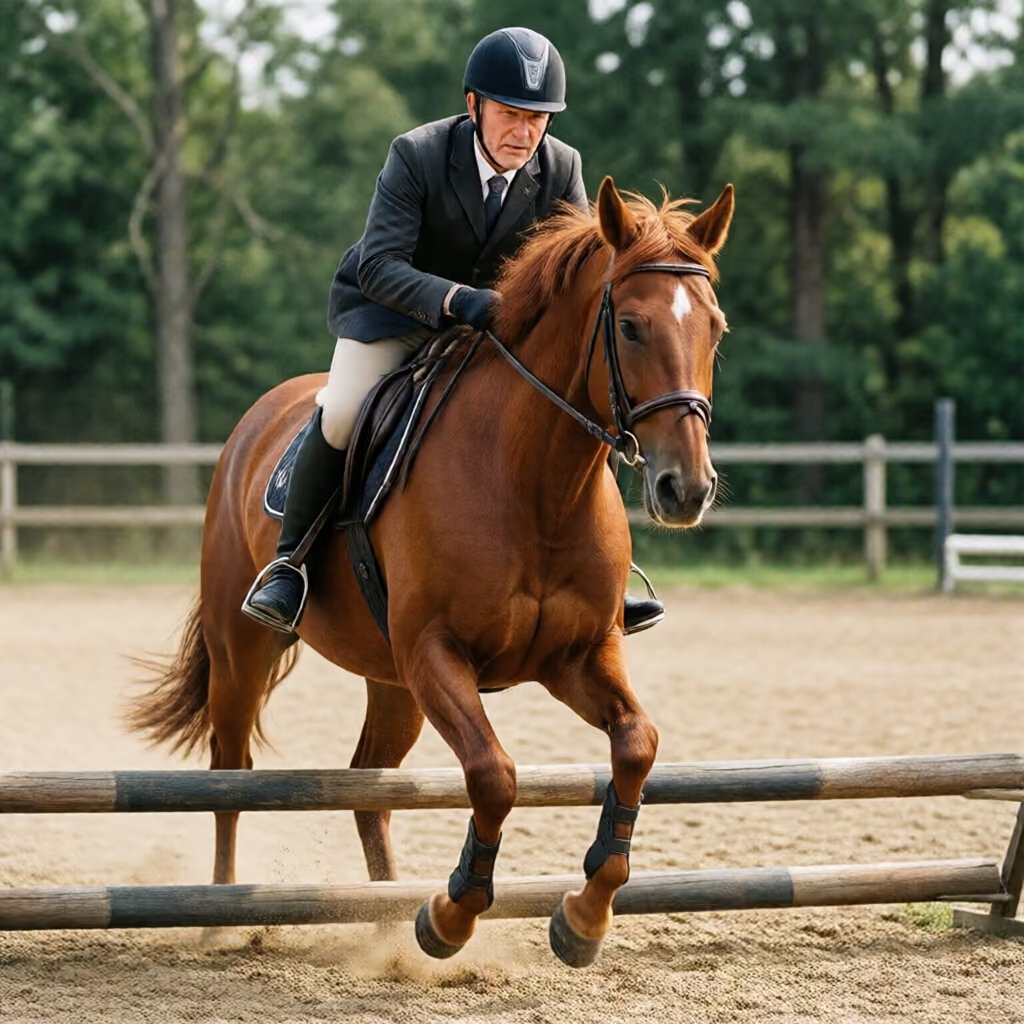
to pull up
To use the reins to bring a horse to a halt or make it move more slowly.
Der Reiter parierte das Pferd vor dem Hindernis.
The rider pulled up the horse before the obstacle.
| ich | pariere |
|---|---|
| du | parierst |
| er/sie/es | pariert |
| wir | parieren |
| ihr | pariert |
| sie | parieren |
| ich | parierte |
|---|---|
| du | pariertest |
| er/sie/es | parierte |
| wir | parierten |
| ihr | pariertet |
| sie | parierten |
| ich | habe pariert |
|---|---|
| du | hast pariert |
| er/sie/es | hat pariert |
| wir | haben pariert |
| ihr | habt pariert |
| sie | haben pariert |
| du | parier! pariere! |
|---|---|
| ihr | pariert! |
| Sie | parieren Sie! |
| ich | hatte pariert |
|---|---|
| du | hattest pariert |
| er/sie/es | hatte pariert |
| wir | hatten pariert |
| ihr | hattet pariert |
| sie | hatten pariert |
| ich | werde parieren |
|---|---|
| du | wirst parieren |
| er/sie/es | wird parieren |
| wir | werden parieren |
| ihr | werdet parieren |
| sie | werden parieren |
| ich | pariere |
|---|---|
| du | parierest |
| er/sie/es | pariere |
| wir | parieren |
| ihr | parieret |
| sie | parieren |
Used for reported speech.
| ich | parierte |
|---|---|
| du | pariertest |
| er/sie/es | parierte |
| wir | parierten |
| ihr | pariertet |
| sie | parierten |
Used for wishes and “would”.
| infinitive | parieren |
|---|---|
| with zu | zu parieren |
| present participle | parierend |
| past participle | pariert |
The attack being fended off with ‘parieren’ (to parry) is in the accusative, as in ‘einen Schlag parieren’ (to parry a blow) or ‘einen Stoß parieren’ (to parry a thrust). You can add what someone uses to fend off the attack with ‘mit’ (with) and the dative.
Die Fechterin parierte den Stoß mit ihrer Klinge.
The fencer parried the thrust with her blade.
When it means ‘to obey’, ‘parieren’ (to obey) is normally used without an object. Common expressions include ‘sofort parieren’ (to obey immediately) and ‘aufs Wort parieren’ (to obey on command); ‘aufs Wort’ emphasizes that someone follows an instruction immediately and precisely.
Als der Vater laut wurde, parierten die Kinder sofort.
When their father raised his voice, the children obeyed immediately.
In recipes and culinary language, ‘parieren’ (to trim) is often used with specific names for cuts of meat, such as ‘ein Filet parieren’ (to trim a fillet) or ‘einen Kalbsrücken parieren’ (to trim a saddle of veal). In work instructions, it is often combined with ‘vor dem Braten’ (before frying or roasting) or ‘vor dem Garen’ (before cooking).
Parieren Sie das Rinderfilet vor dem Braten sorgfältig.
Trim the beef tenderloin carefully before roasting it.
Common expressions include ‘eine Frage parieren’ (to parry a question), ‘einen Einwand parieren’ (to parry an objection), and ‘einen Vorwurf parieren’ (to parry an accusation). The type of response can be described with ‘schlagfertig’ (quick-witted) or with ‘mit’ (with) and the dative, for example ‘mit einer Gegenfrage’ (with a counterquestion).
Die Bürgermeisterin parierte den Vorwurf schlagfertig mit einer Gegenfrage.
The mayor parried the accusation quick-wittedly with a counterquestion.
This usage belongs to the technical language of riding. In the expression ‘ein Pferd zum Halten parieren’ (to pull up a horse), the horse is in the accusative; ‘zum Halten’ (to a halt) states the intended result of the action.
Am Ende der Bahn parierte sie ihr Pferd zum Halten.
At the end of the arena, she pulled up her horse.