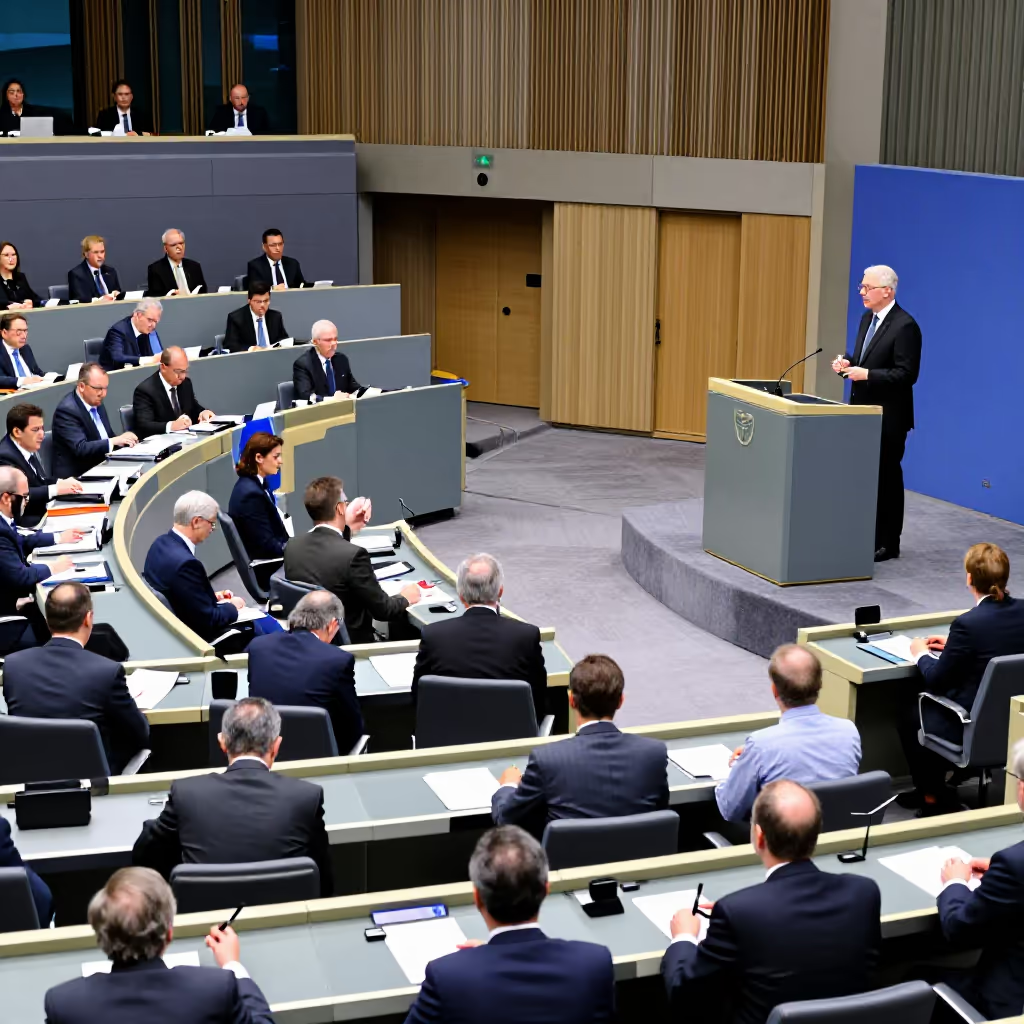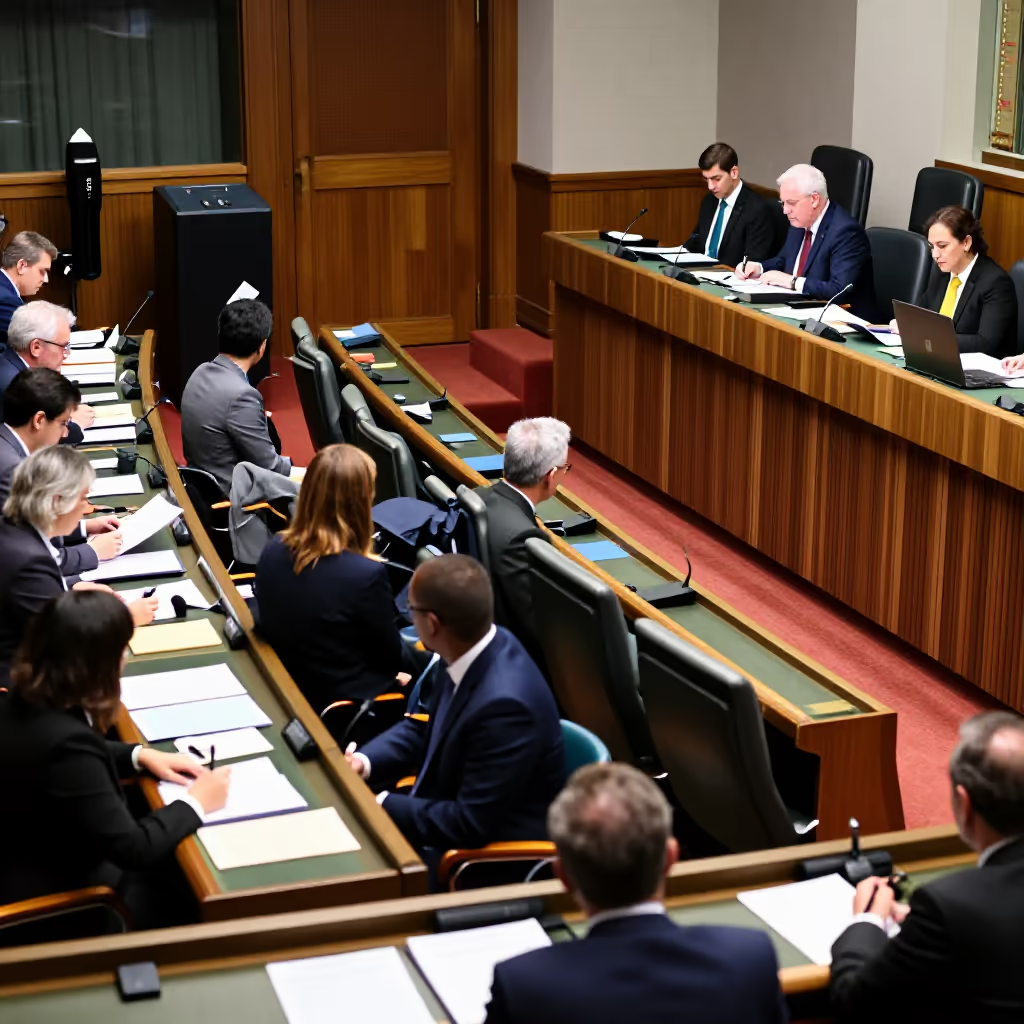
The assembly of elected representatives of the people who pass laws in a state. It is the most important organ of the legislative branch.
example
Das deutsche Parlament, der Bundestag, hat heute über ein neues Gesetz abgestimmt.
The German parliament, the Bundestag, voted on a new law today.
Usage tips
Location and movement
The preposition is important: 'im Parlament' (in parliament, dative) describes a location or an activity inside it. 'Ins Parlament' (into parliament, accusative) describes movement there or the process of being elected as a representative.
EXAMPLE
Die Abgeordneten debattieren im Parlament.
The representatives are debating in parliament.
Context clue
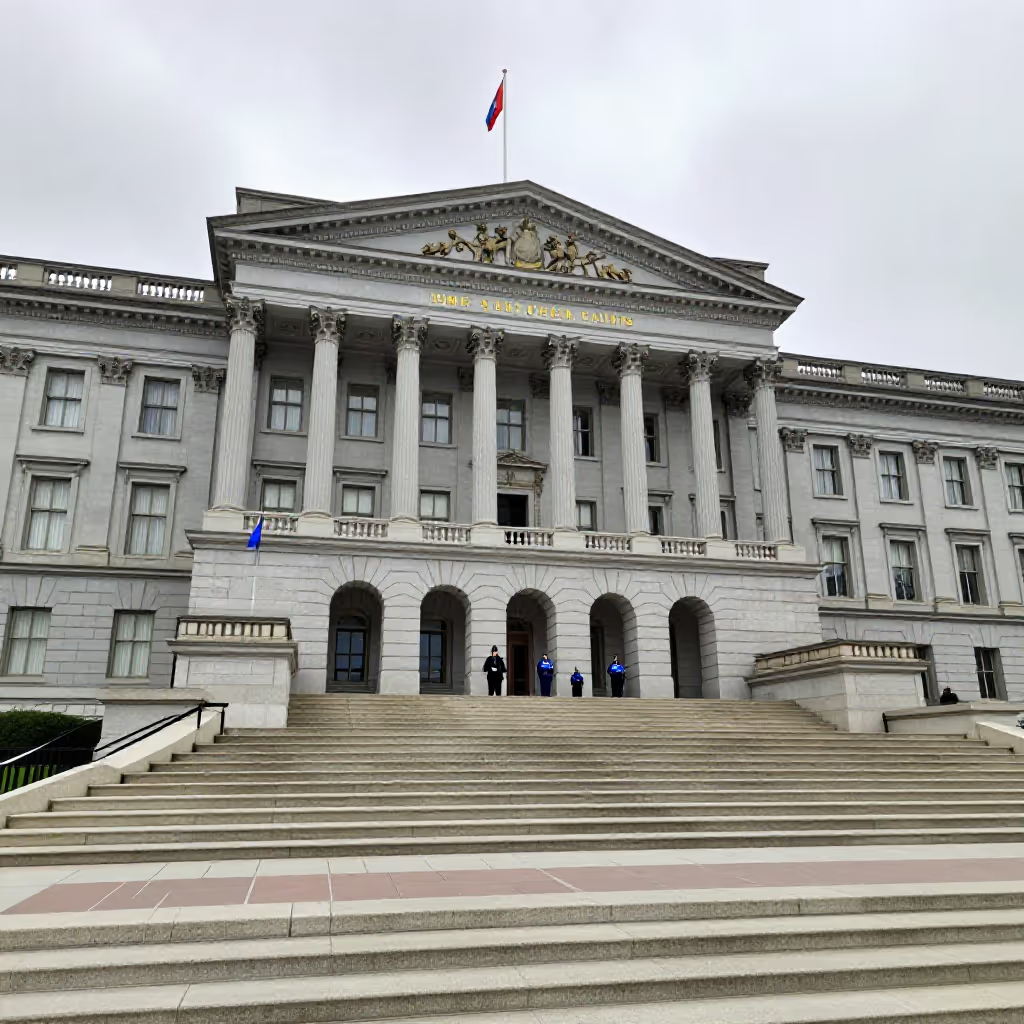
The context tells you whether the body or the building is meant. If it is about laws, debates, or elections, the institution is meant. If it is about architecture, tours, or the location, the building is meant.
EXAMPLE
Das Parlament hat das Gesetz verabschiedet.
Parliament passed the law.
Typical collocations
In a political context, 'Parlament' (parliament) is often used with certain verbs. Typical phrases are: 'im Parlament sitzen' (to sit in parliament), 'ein Gesetz im Parlament beraten' (to deliberate on a law in parliament), or 'eine Rede im Parlament halten' (to give a speech in parliament).
EXAMPLE
Er sitzt seit zehn Jahren für seine Partei im Parlament.
He has sat in parliament for his party for ten years.
Compare with
confusable
Parlament vs Regierung
government
'die Regierung' and 'das Parlament' both belong to the politics of a state, but they have different tasks. 'Die Regierung' leads the country politically and implements its policies. 'Das Parlament' consists of elected representatives and passes laws. Learners may confuse the words because both often appear in the news. The important point is: the government governs, while parliament discusses and decides on laws.
Parlament
Das Parlament stimmt heute über das neue Gesetz ab.
Parliament is voting on the new law today.
Regierung
Nach der Wahl bildet die stärkste Partei oft die Regierung.
After the election, the strongest party often forms the government.