

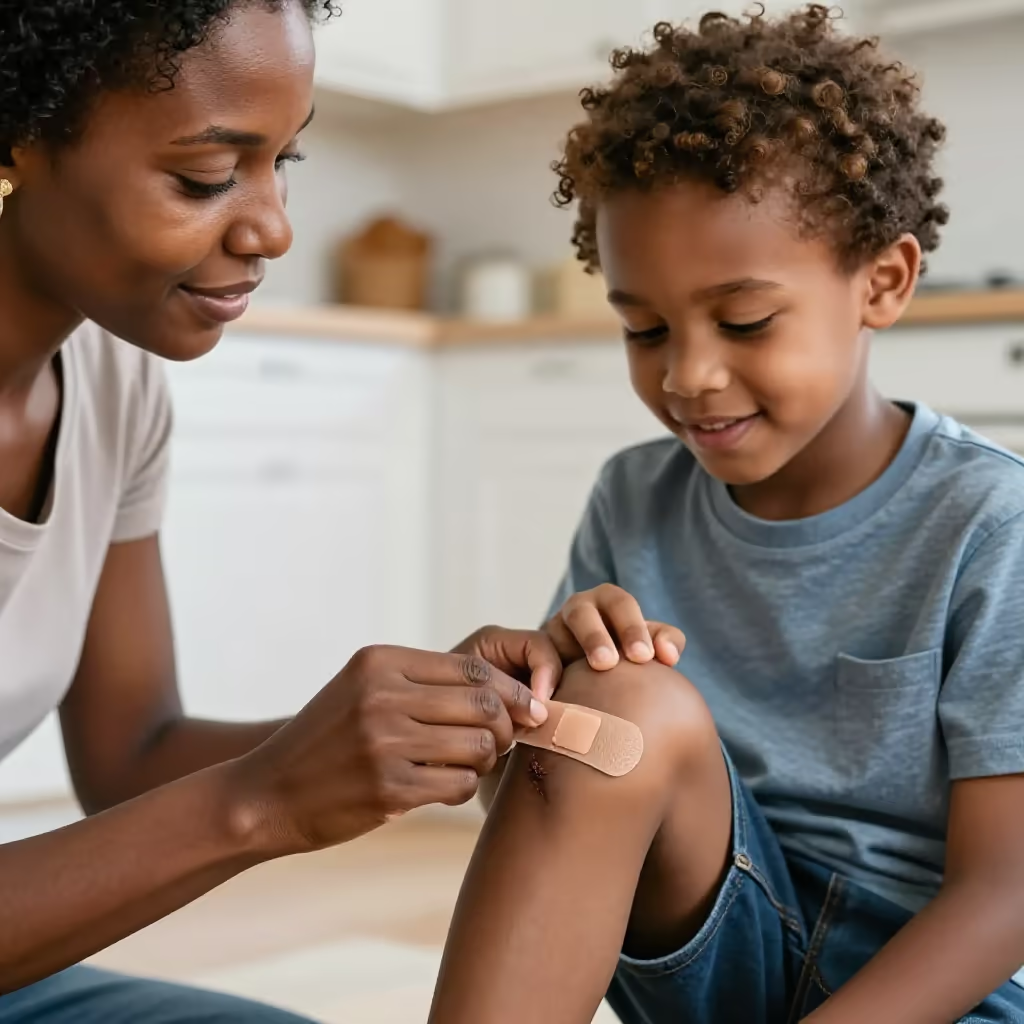
das Pflaster
adhesive bandage
A small, self-adhesive bandage that is stuck onto a small wound or injury to protect it.
EXAMPLE
Nach dem Sturz hat sie sich ein Pflaster auf das Knie geklebt.
After the fall, she put an adhesive bandage on her knee.
bandage / pavement / patch
Loading your saved state.
adhesive bandage
A small, self-adhesive bandage that is stuck onto a small wound or injury to protect it.
Nach dem Sturz hat sie sich ein Pflaster auf das Knie geklebt.
After the fall, she put an adhesive bandage on her knee.
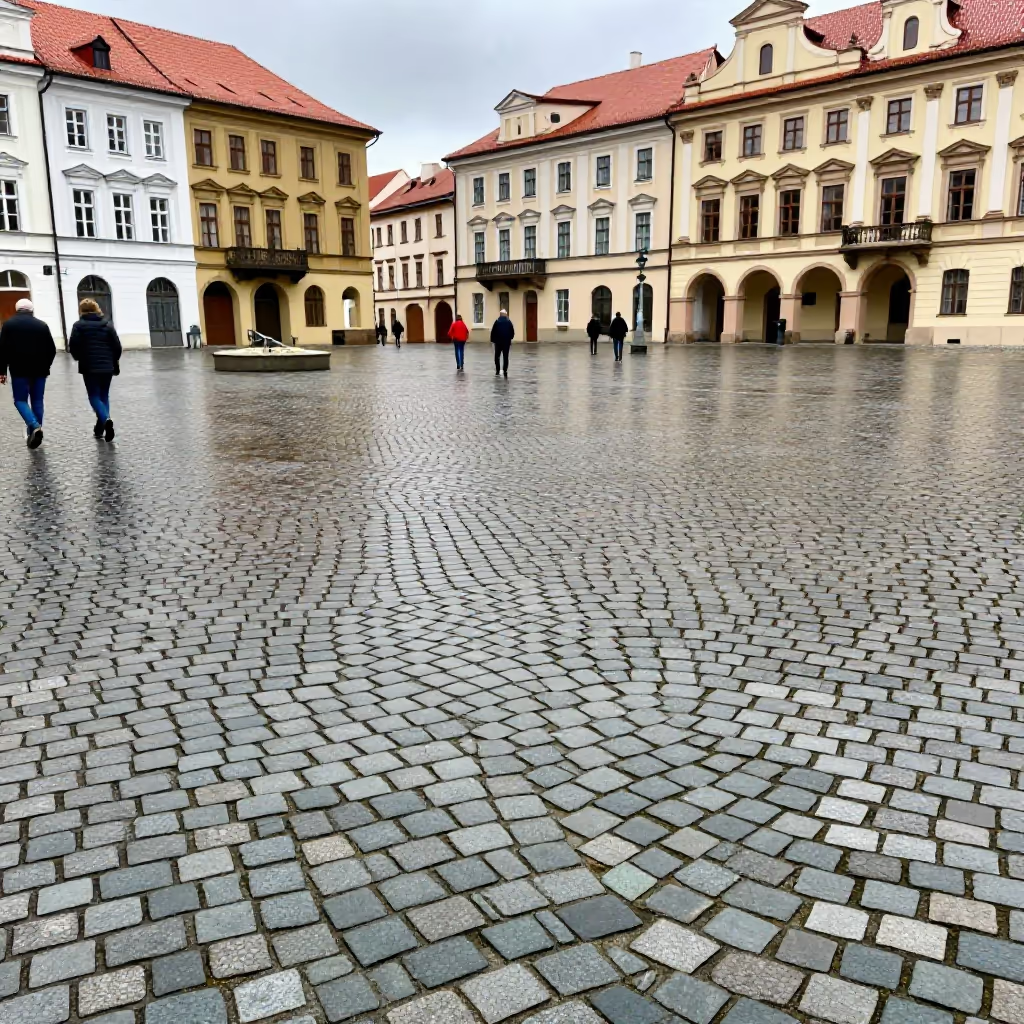
pavement / cobblestones
The surface of streets, paths, or squares that consists of individual stones (paving stones).
Die Altstadt ist bekannt für ihr historisches Pflaster.
The old town is known for its historic cobblestone pavement.

place / environment
In a figurative sense, a place or environment, often with a particular characteristic. Common in expressions like "ein teures/hartes Pflaster sein" (to be an expensive/tough place).
München ist ein teures Pflaster zum Wohnen.
Munich is an expensive place to live.
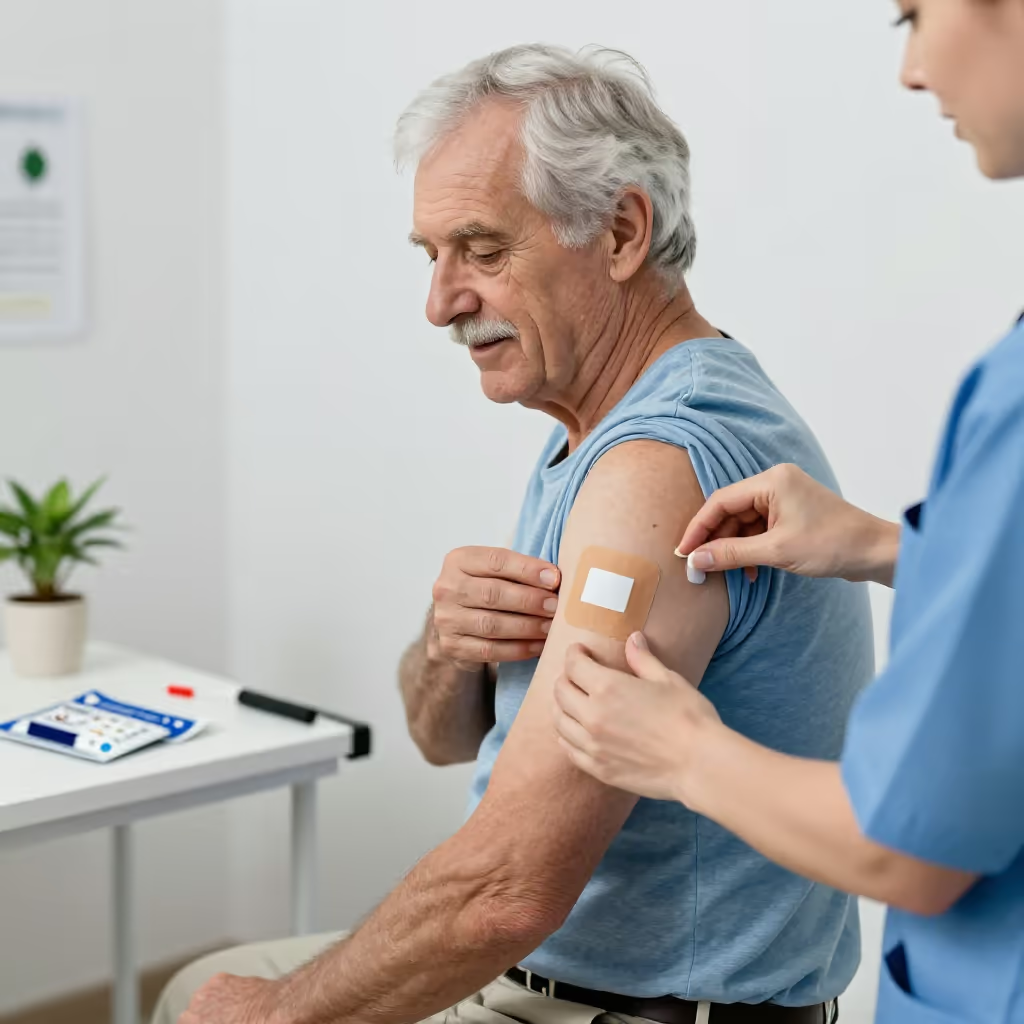
medical patch
A medical adhesive patch that is applied to the skin to release an active substance into the body over a longer period of time.
Der Arzt hat ihm ein Schmerzpflaster gegen die Rückenschmerzen verschrieben.
The doctor prescribed him a pain patch for his back pain.
'Das Pflaster' for a wound is not the same as the English 'plaster' for walls. The material for walls is called 'der Gips' (plaster) or 'der Putz' (render/plaster) in German.
Ich habe mich geschnitten, hast du ein Pflaster für mich?
I cut myself; do you have an adhesive bandage for me?
You can easily recognize the meaning from context. If someone is talking about a 'Wunde' (wound) or 'Verletzung' (injury), it means the small bandage. If it is about a 'Straße' (street), a 'Gasse' (alley), or the 'Altstadt' (old town), it means the stone surface.
Die kleine Wunde am Finger blutet, kleb bitte ein Pflaster darauf.
The small wound on my finger is bleeding; please put an adhesive bandage on it.
When you stick a 'Pflaster' (adhesive bandage) onto a wound, you use the preposition 'auf' with the accusative. When the bandage is already on the skin, you use 'auf' with the dative.
Die Mutter klebt ihrem Kind ein Pflaster auf das Knie.
The mother puts an adhesive bandage on her child's knee.
The expression 'ein teures/hartes/gutes Pflaster sein' describes the living conditions in a place. It is often used to talk about the costs or difficulties in a city.
Berlin ist für Künstler kein einfaches Pflaster mehr.
Berlin is no longer an easy place for artists.
When a 'Pflaster' (patch) releases an active substance, it is often described more precisely, e.g. as a 'Schmerzpflaster' (pain patch) or 'Nikotinpflaster' (nicotine patch). The context here is always medical and refers to longer-term treatment.
Um mit dem Rauchen aufzuhören, benutzt er ein Nikotinpflaster.
To stop smoking, he uses a nicotine patch.
association / bandage
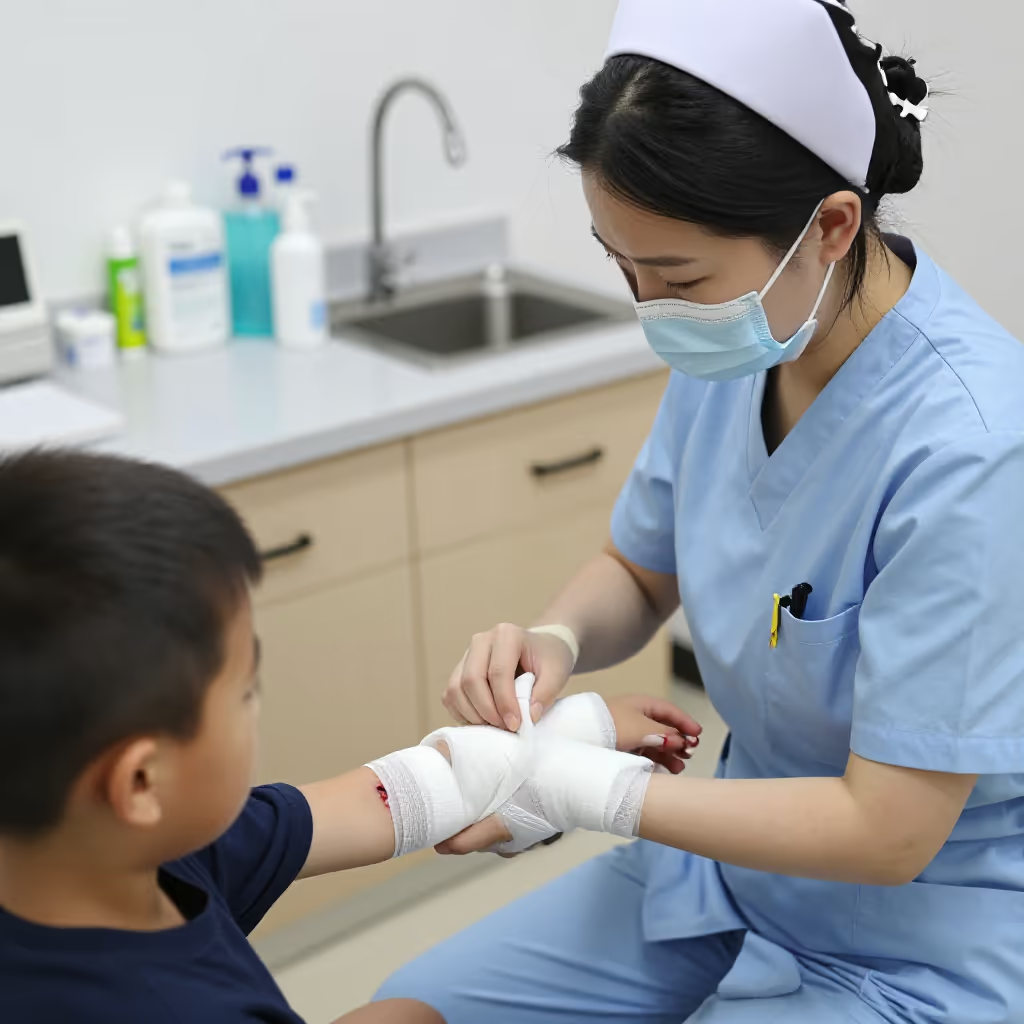
Verband and Pflaster can both protect a wound. A Pflaster is self-adhesive and is usually suitable for minor injuries, while a Verband can consist of material that is applied around the wound and can also cover larger areas or areas needing more protection. A small cut often only needs a Pflaster; otherwise, a Verband is usually more appropriate.
Für den kleinen Schnitt am Finger klebte sie ein Pflaster auf.
She put an adhesive bandage on the small cut on her finger.
Die Ärztin legte um die größere Wunde am Arm einen Verband an.
The doctor put a bandage around the larger wound on his arm.