

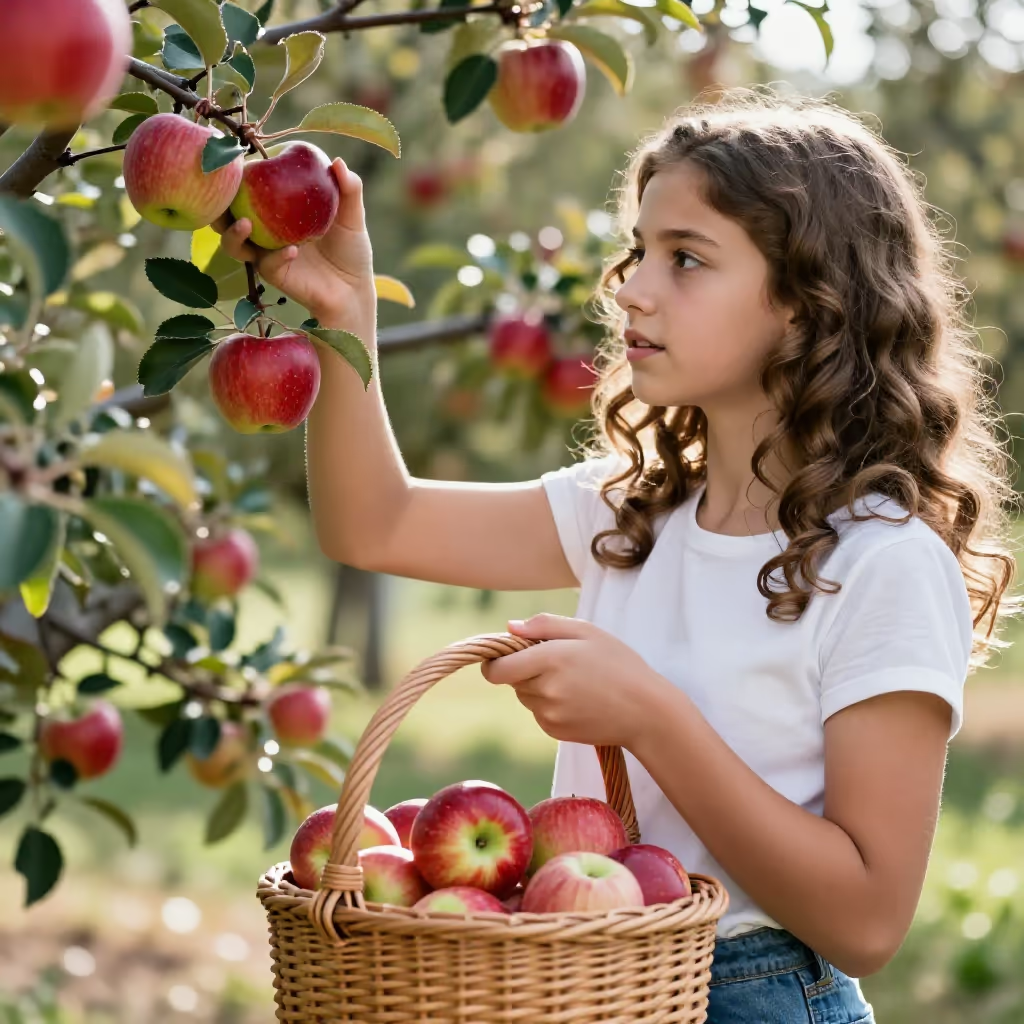
pflücken
to pick
To remove and harvest flowers, fruits, or leaves from a plant with your fingers.
EXAMPLE
Im Sommer gehen wir oft im Garten Erdbeeren pflücken.
In summer, we often go pick strawberries in the garden.
to pick / pluck
Loading your saved state.
to pick
To remove and harvest flowers, fruits, or leaves from a plant with your fingers.
Im Sommer gehen wir oft im Garten Erdbeeren pflücken.
In summer, we often go pick strawberries in the garden.
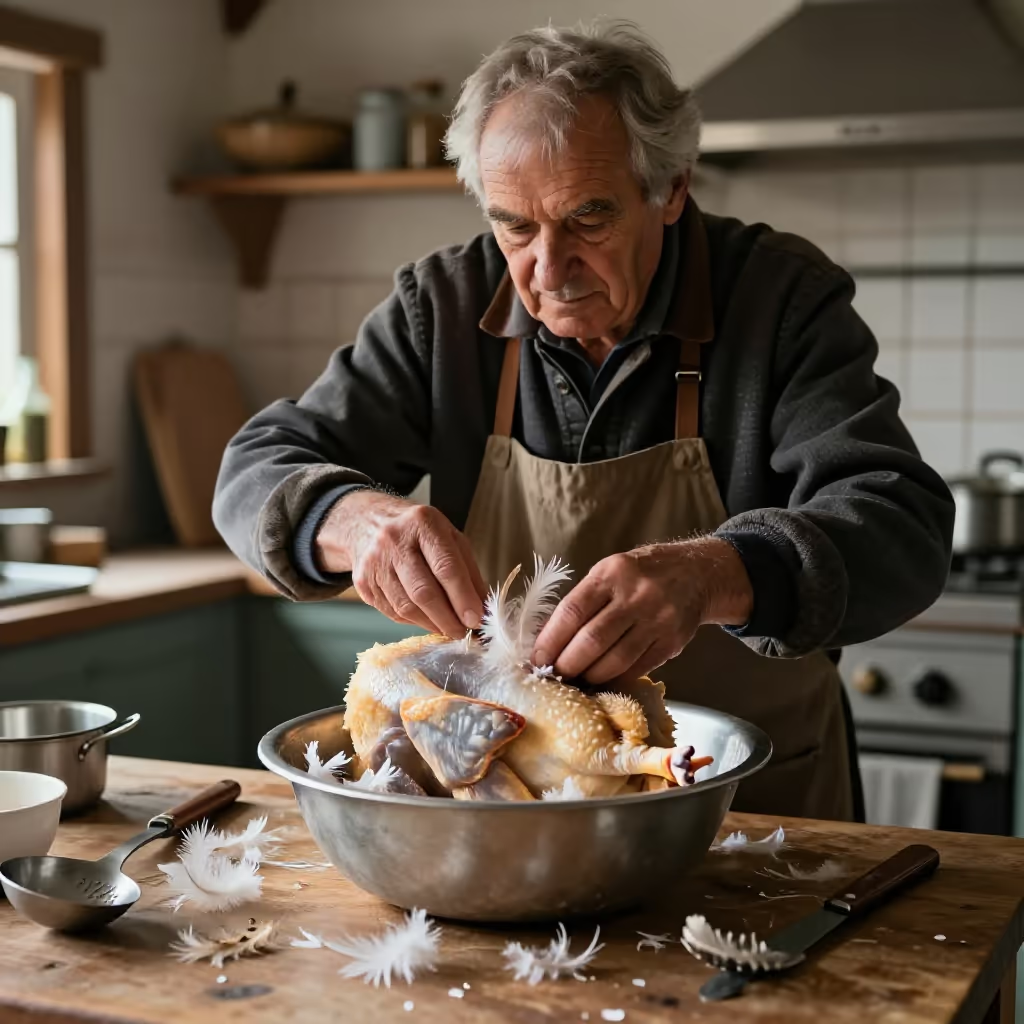
to pluck
To pull the feathers out of a killed bird in order to prepare it for cooking.
Früher musste man das Huhn für die Suppe noch selbst schlachten und pflücken.
In the past, you still had to slaughter and pluck the chicken for the soup yourself.
You can tell whether 'pflücken' means harvesting plants or plucking feathers from the object. If it is flowers, fruits, or herbs, the first meaning is intended. If it is a bird, the second meaning is intended.
Wir haben im Garten Äpfel gepflückt.
We picked apples in the garden.
In its most common meaning, 'pflücken' is combined with things that you harvest by hand in nature or in the garden. Typical examples are: 'Blumen pflücken' (to pick flowers), 'Äpfel pflücken' (to pick apples), 'Beeren pflücken' (to pick berries), or 'Kräuter pflücken' (to pick herbs).
Die Kinder liefen über die Wiese und pflückten Blumen.
The children ran across the meadow and picked flowers.
The word 'pflücken' emphasizes that the action is done with the fingers or by hand. It is used for a careful, targeted harvest of individual fruits or flowers, not for mechanical harvesting.
Sie pflückte vorsichtig eine reife Kirsche vom Baum.
She carefully picked a ripe cherry from the tree.
The meaning 'to pull the feathers out of a bird' is less common in everyday life today, since most people buy meat already ready for cooking. You are more likely to find it in older texts or when traditional farming is being discussed.
Meine Großmutter hat mir erzählt, wie sie früher die Hühner selbst pflücken mussten.
My grandmother told me how they used to have to pluck the chickens themselves.
to read
Here, lesen can refer to the entire harvesting process for fruit, especially grapes. Pflücken places greater emphasis on separating individual fruits or grapes from the plant with your fingers. Use lesen for grape harvesting as a crop, and pflücken for the specific individual action.
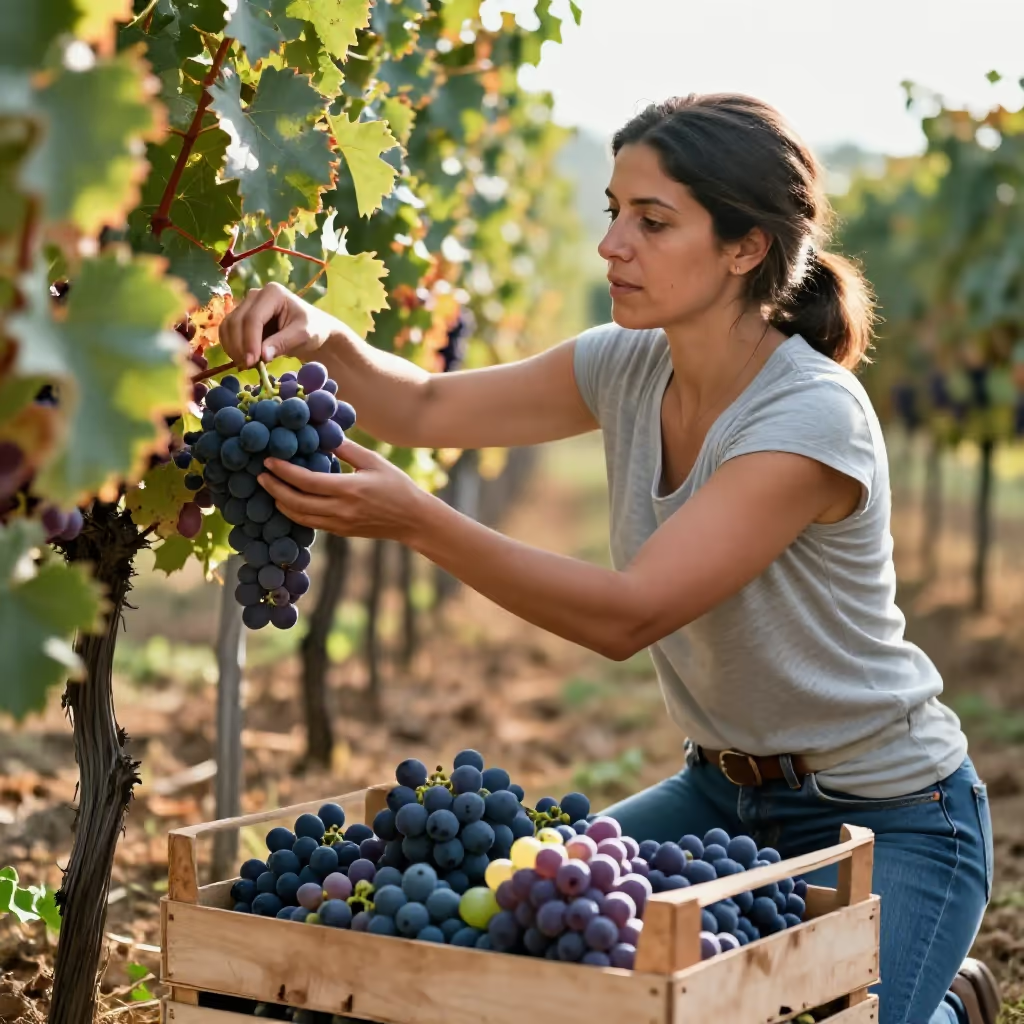
Neben dem Weinberg pflücken die Kinder einzelne Trauben von der Rebe.
Next to the vineyard, the children pick individual grapes from the vine.
Im September lesen wir gemeinsam die Trauben des Weinbergs.
In September, we harvest the grapes from the vineyard together.