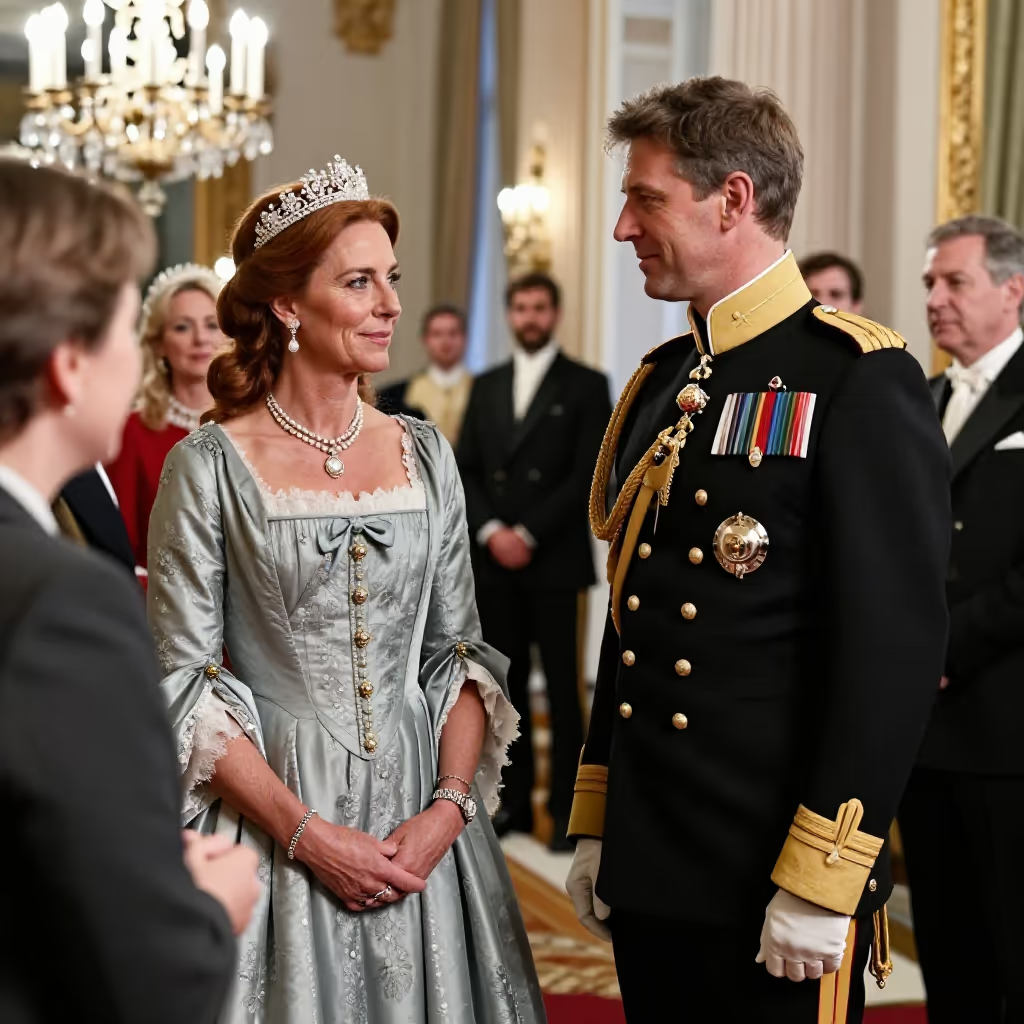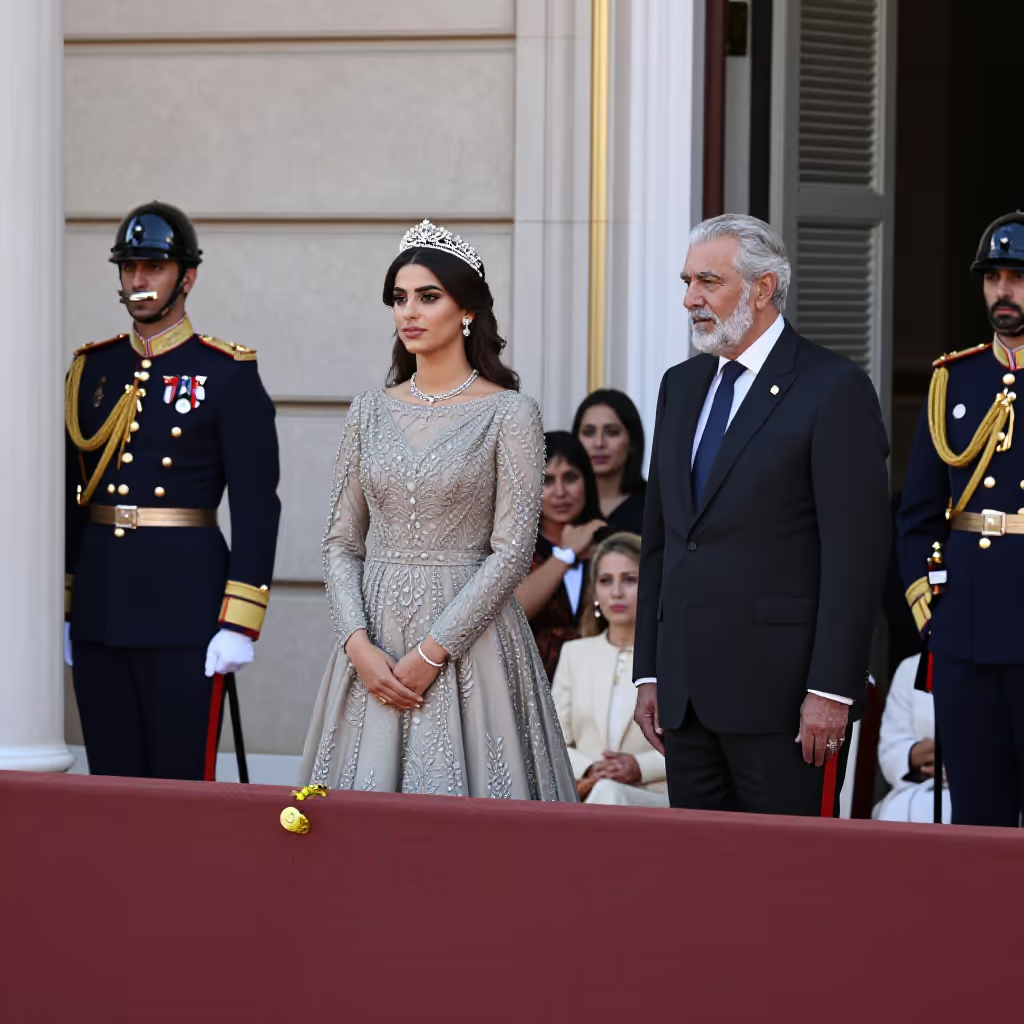
The daughter of a king or prince, or the wife of a prince; a female member of a noble ruling family.
example
In vielen Märchen wird die Prinzessin von einem Drachen gefangen gehalten.
In many fairy tales, the princess is held captive by a dragon.

Usage tips
Word structure
The ending '-in' is a typical marker for female person or profession nouns in German. 'Die Prinzessin' (the princess) is the feminine form of 'der Prinz' (the prince).
EXAMPLE
Der Prinz und die Prinzessin heirateten am Ende des Märchens.
The prince and the princess got married at the end of the fairy tale.
Colloquial use
The term 'Prinzessin' (princess) for a spoiled person is colloquial and often meant slightly negatively or ironically. It is usually used in the expression 'so eine Prinzessin sein' (to be such a princess).
EXAMPLE
Du willst nicht im Regen laufen? Sei doch nicht so eine Prinzessin!
You don't want to walk in the rain? Don't be such a princess!
Typical context
In its literal meaning, the word 'Prinzessin' (princess) is found mainly in specific contexts such as fairy tales, historical stories, or reporting on royal families.
EXAMPLE
Die kleine Prinzessin winkte den Leuten aus der Kutsche zu.
The little princess waved to the people from the carriage.
Compare with
confusable
Prinzessin vs Königin
queen
'die Königin' and 'die Prinzessin' both belong to the world of kings and ruling families. The important difference is the role: a queen rules a kingdom herself or is the wife of a king. A princess is usually the daughter of a king or the wife of a prince. Learners may confuse the words because both refer to female people in a royal family. As a guide: the queen is at the very top or beside the king, while the princess belongs to the family but is not the ruler.
Prinzessin
Die Prinzessin reiste mit ihrer Familie zur Feier.
The princess traveled with her family to the celebration.