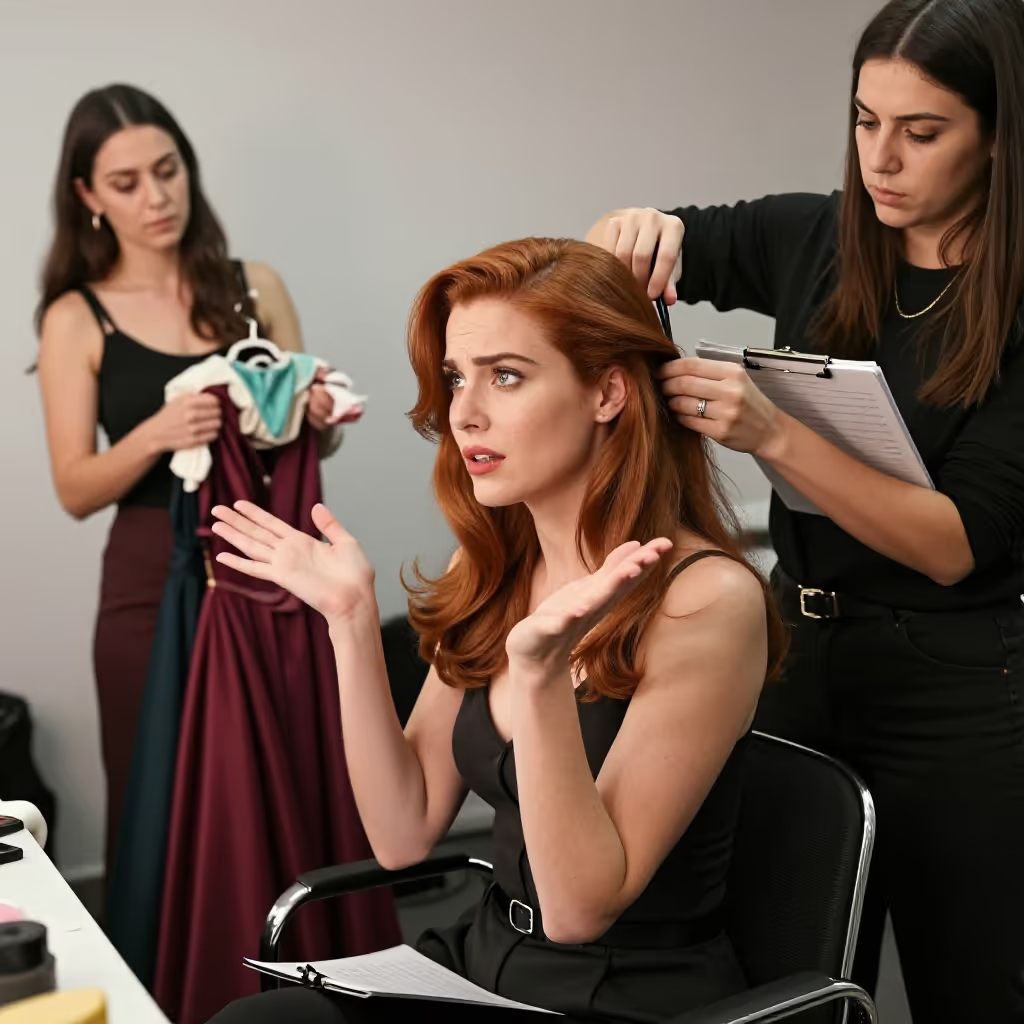
A person who behaves in a moody, demanding, and difficult way and often demands special attention.
example
Wegen ihrer ständigen Sonderwünsche hat sie bei den Kollegen den Ruf, eine Diva zu sein.
Because of her constant special requests, she has a reputation among her colleagues for being a diva.
Usage tips
Word history
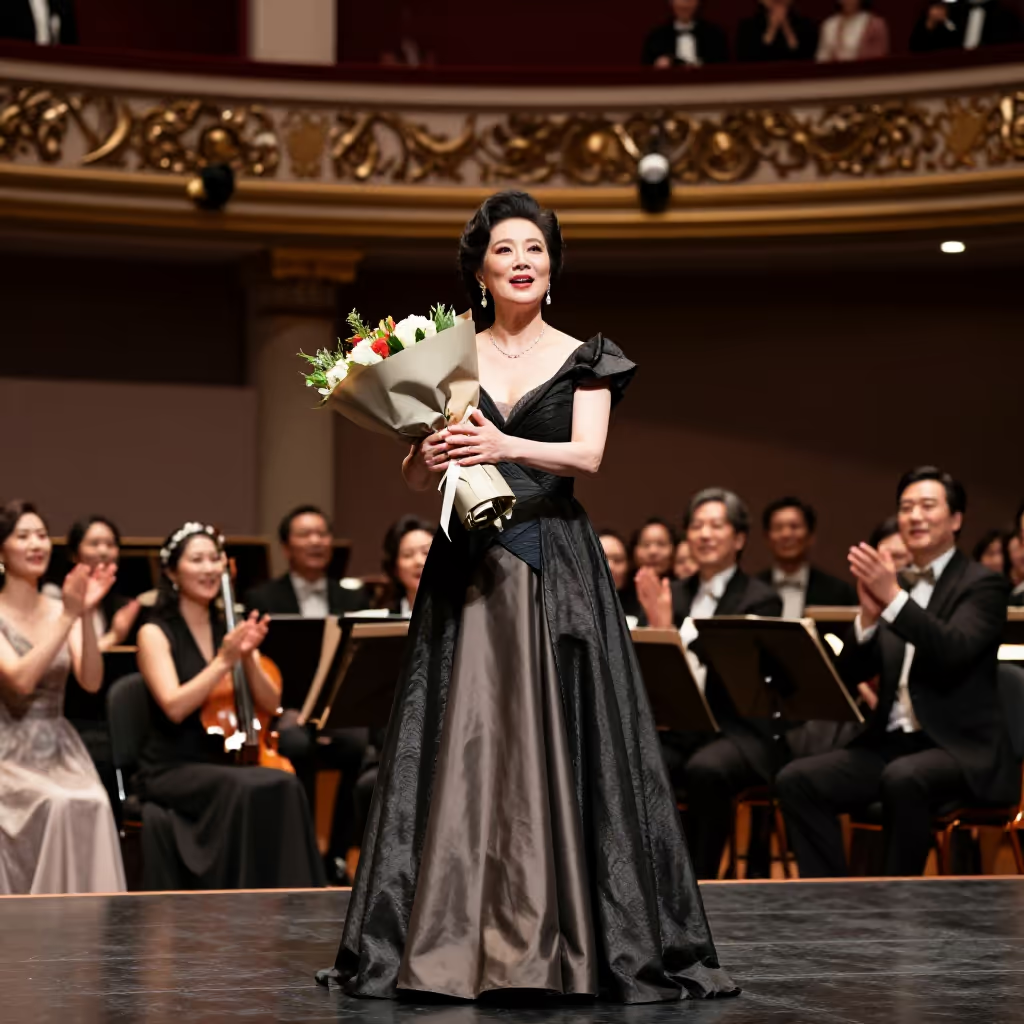
The word comes from Italian, where 'diva' means 'goddess'. It was originally used for a celebrated opera singer. From this developed the figurative meaning for a person who behaves in a demanding way, like a goddess.
EXAMPLE
Früher war sie eine gefeierte Diva auf der Bühne, heute lebt sie zurückgezogen.
She used to be a celebrated diva on stage; today she lives a secluded life.
Context clue
The original, positive meaning refers to the context of art and culture, especially opera and film. The figurative, usually negative meaning describes people's behavior in everyday life.
EXAMPLE
Die Schauspielerin galt als große Diva des Stummfilms.
The actress was considered a great diva of silent film.
Figurative meaning
In this meaning, the word is often used critically or ironically to describe a person's moody and demanding behavior. A typical phrase is 'sich wie eine Diva aufführen/benehmen' (to act/behave like a diva).
EXAMPLE
Hör auf, dich wie eine Diva aufzuführen, nur weil dein Kaffee nicht heiß genug ist.
Stop acting like a diva just because your coffee isn't hot enough.
Typical collocations
In the original meaning, 'Diva' (diva) is often combined with the field in which the person is famous. Typical compounds are 'Operndiva' (opera diva) or 'Filmdiva' (film diva).
EXAMPLE
Die Biografie der berühmten Operndiva wurde ein Bestseller.
The biography of the famous opera diva became a bestseller.
Compare with
near_synonym · confusable
Diva vs Star
star / starling / cataract
'der Star' and 'die Diva' can both mean a famous person from the world of film, music, or the stage. 'Star' is more general and usually neutral or positive: the person is very well known and successful. 'Diva' is especially suitable for a celebrated singer or actress, but it can also sound negative when someone is difficult and demands a lot of attention. Learners may confuse the words because both have to do with fame. The important point is: not every star is a diva. 'Diva' often also says something about the person's behavior.
Diva
Die Diva wollte vor dem Auftritt ein eigenes Zimmer und absolute Ruhe.
Before the performance, the diva wanted a room of her own and absolute quiet.
Star
Nach dem Konzert warteten viele Fans vor der Halle auf den Star.
After the concert, many fans waited outside the hall for the star.