


puh
phew
An exclamation expressing relief, exertion, amazement, or feeling overwhelmed.
EXAMPLE
Puh, das war anstrengender, als ich gedacht hatte.
Phew, that was more strenuous than I thought it would be.
phew
Loading your saved state.
phew
An exclamation expressing relief, exertion, amazement, or feeling overwhelmed.
Puh, das war anstrengender, als ich gedacht hatte.
Phew, that was more strenuous than I thought it would be.
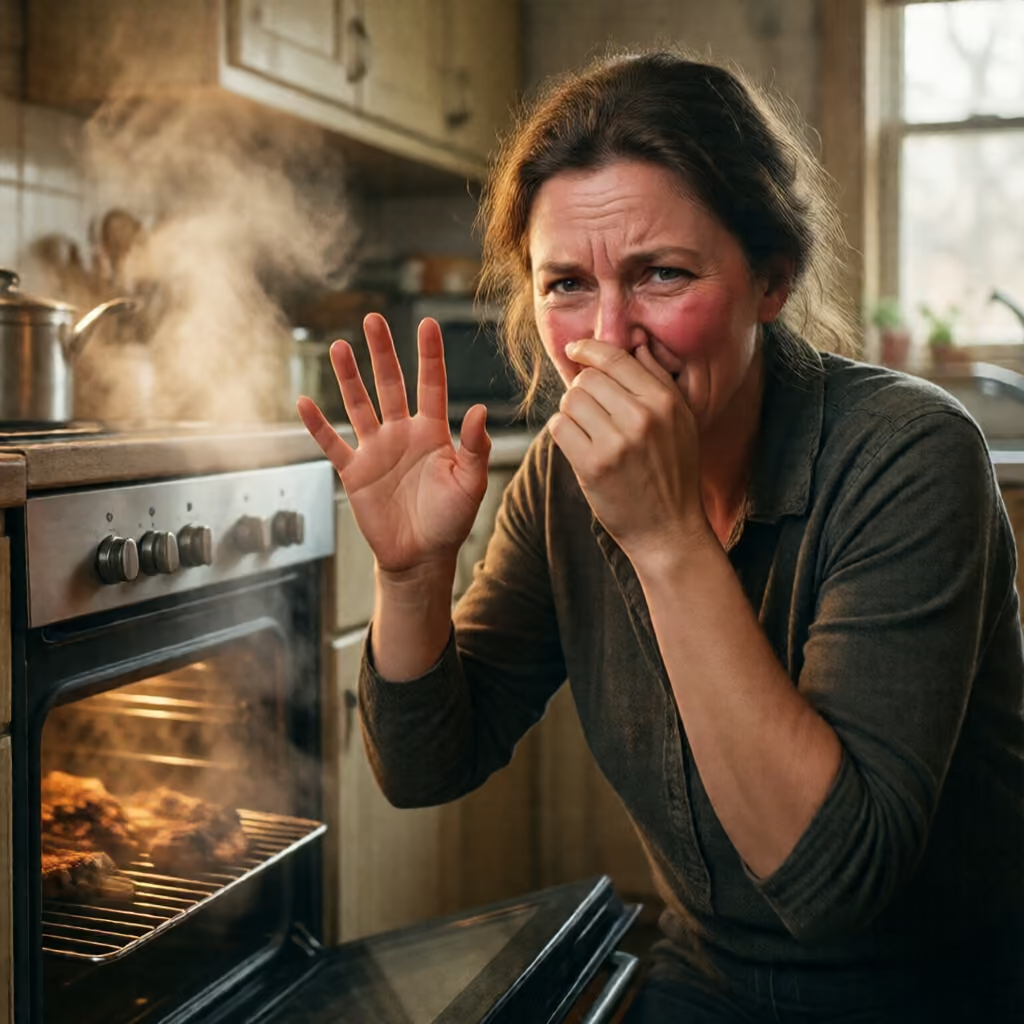
phew
An exclamation used to comment on intense heat, an unpleasant smell, or another unpleasant sensation.
Puh, hier ist es aber heiß!
Phew, it’s really hot in here!
'Puh' (phew) usually appears at the beginning of a sentence and is separated by a comma or an exclamation mark. It can also stand alone when the reaction is especially strong.
Puh, zum Glück ist die Prüfung vorbei!
Phew, luckily the exam is over!
Puh! Ich brauche erst einmal eine Pause.
Phew! I need to take a break first.
In this meaning, 'puh' (phew) often appears after a strenuous, difficult, or surprising situation. The following sentence often explains what the person is relieved or overwhelmed about.
Puh, das hätte auch schiefgehen können.
Phew, that could have gone badly.
Puh, diese vielen Aufgaben sind wirklich anstrengend.
Phew, these many tasks are really exhausting.
When referring to heat, a bad smell, or another unpleasant sensation, 'puh' (phew) usually refers directly to the surroundings or to a physical reaction. It is often followed by details about the sensation, for example with 'hier' (here), 'heute' (today), or 'aber' (really).
Puh, in diesem Raum ist die Luft stickig.
Phew, the air in this room is stuffy.
Puh, der Müll riecht heute wirklich unangenehm.
Phew, the garbage smells really unpleasant today.