

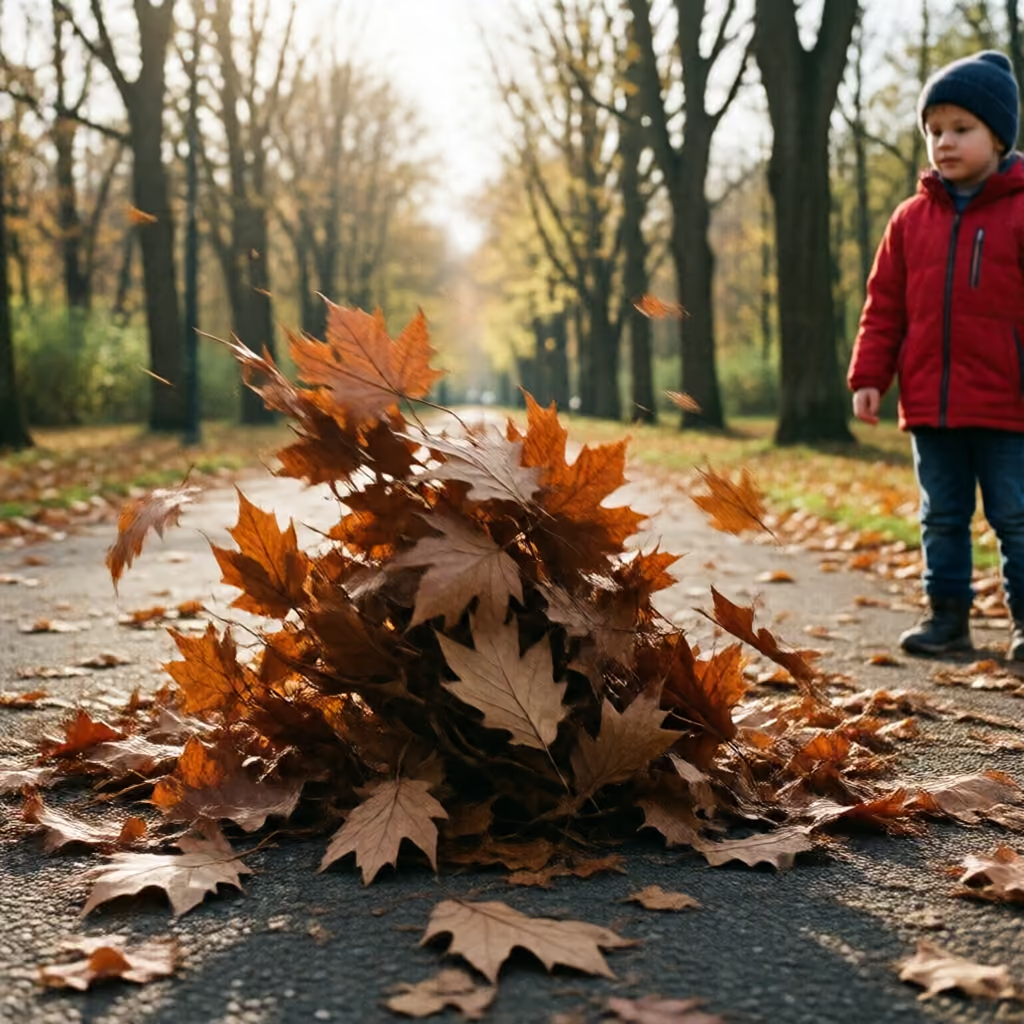
rascheln
to rustle
To produce a quiet, dry sound, like the sound made when leaves, paper, or similar thin materials are moved or rub against each other.
EXAMPLE
Die trockenen Blätter rascheln im Wind.
The dry leaves rustle in the wind.
to rustle
rascheln – raschelte – hat geraschelt
Loading your saved state.
to rustle
To produce a quiet, dry sound, like the sound made when leaves, paper, or similar thin materials are moved or rub against each other.
Die trockenen Blätter rascheln im Wind.
The dry leaves rustle in the wind.
| ich | raschle raschele |
|---|---|
| du | raschelst |
| er/sie/es | raschelt |
| wir | rascheln |
| ihr | raschelt |
| sie | rascheln |
| ich | raschelte |
|---|---|
| du | rascheltest |
| er/sie/es | raschelte |
| wir | raschelten |
| ihr | rascheltet |
| sie | raschelten |
| ich | habe geraschelt |
|---|---|
| du | hast geraschelt |
| er/sie/es | hat geraschelt |
| wir | haben geraschelt |
| ihr | habt geraschelt |
| sie | haben geraschelt |
| du | raschel! raschele!, raschle! |
|---|---|
| ihr | raschelt! |
| Sie | rascheln Sie! |
| ich | hatte geraschelt |
|---|---|
| du | hattest geraschelt |
| er/sie/es | hatte geraschelt |
| wir | hatten geraschelt |
| ihr | hattet geraschelt |
| sie | hatten geraschelt |
| ich | werde rascheln |
|---|---|
| du | wirst rascheln |
| er/sie/es | wird rascheln |
| wir | werden rascheln |
| ihr | werdet rascheln |
| sie | werden rascheln |
| ich | raschele raschle |
|---|---|
| du | raschelst raschlest |
| er/sie/es | raschele raschle |
| wir | rascheln |
| ihr | raschelt raschlet |
| sie | rascheln |
Used for reported speech.
| ich | raschelte |
|---|---|
| du | rascheltest |
| er/sie/es | raschelte |
| wir | raschelten |
| ihr | rascheltet |
| sie | raschelten |
Used for wishes and “would”.
| infinitive | rascheln |
|---|---|
| with zu | zu rascheln |
| present participle | raschelnd |
| past participle | geraschelt |
'Rascheln' (to rustle) is usually used with things as the subject that produce this sound, especially leaves, paper, or clothing. The verb is often used without an accusative object.
Ihr langes Kleid raschelte bei jedem Schritt.
Her long dress rustled with every step.
Common combinations include 'Blätter rascheln' (leaves rustle), 'Papier raschelt' (paper rustles), and 'im Laub rascheln' (to rustle in the leaves). Place expressions with 'im' often describe the area in which the sound is produced.
Im Laub raschelte es plötzlich hinter dem alten Baum.
There was suddenly a rustling sound in the leaves behind the old tree.
When a person deliberately produces the sound, 'rascheln' (to rustle) is often used with 'mit' (with) and the material. The person is then the subject, and the material follows 'mit' in the dative.
Der Mann raschelte mit dem Papier und suchte nach der richtigen Seite.
The man rustled the paper and looked for the right page.