

die Mieze
cat
An informal, affectionate term for a cat.
EXAMPLE
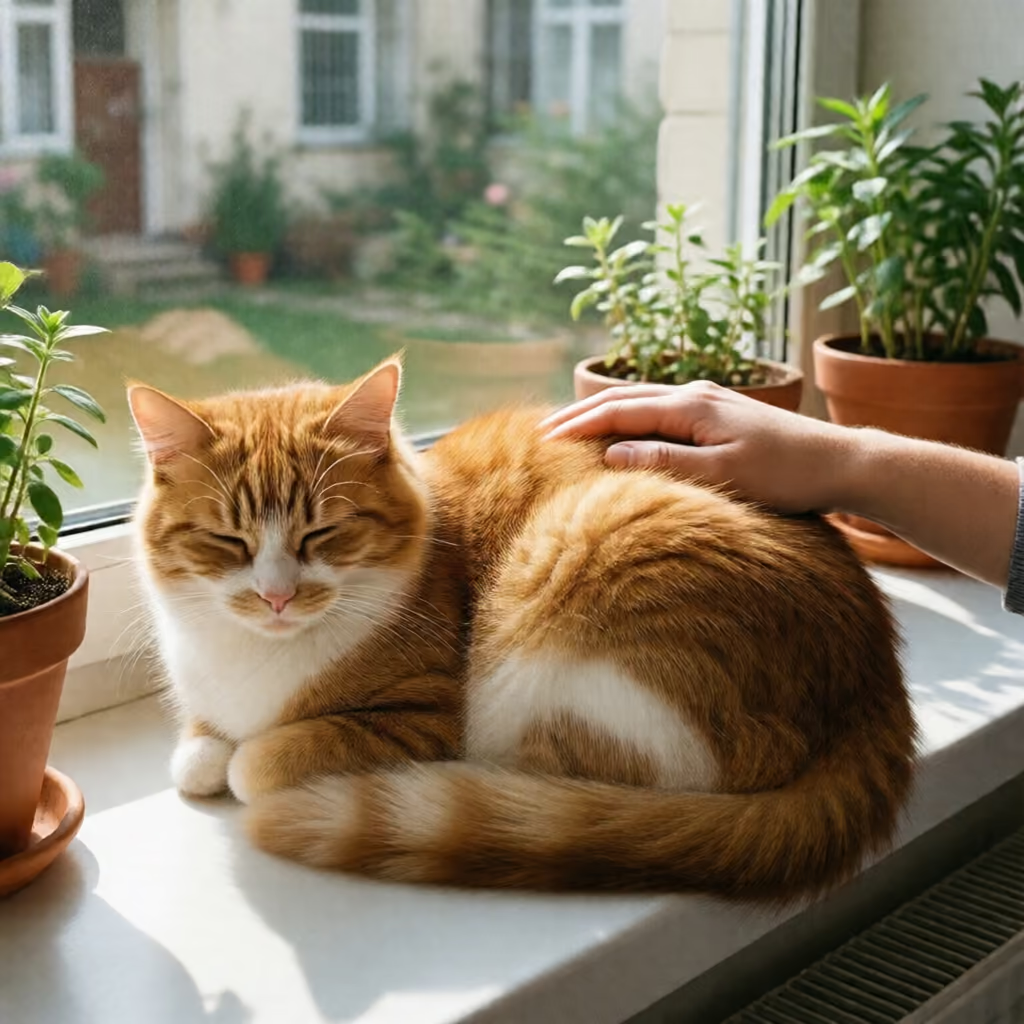
Unsere Mieze liegt auf der Fensterbank und schnurrt.
Our cat is lying on the windowsill and purring.
cat / chick
die Mieze, die Miezen
Loading your saved state.
cat
An informal, affectionate term for a cat.
Unsere Mieze liegt auf der Fensterbank und schnurrt.
Our cat is lying on the windowsill and purring.

chick
A slang, often derogatory term for a young woman, also used for a girlfriend or lover.
Er prahlte vor seinen Kumpels mit seiner neuen Mieze.
He bragged to his buddies about his new chick.
| gender | feminine die |
|---|---|
| plural | die Miezen |
| genitive | der Mieze |
| singular | plural | |
|---|---|---|
| nominative | die Mieze | die Miezen |
| accusative | die Mieze | die Miezen |
| dative | der Mieze | den Miezen |
| genitive | der Mieze | der Miezen |
The article changes with the case; it is shown in colour.
In the meaning of cat, „Mieze“ (cat) often occurs with verbs and expressions from everyday life with pets, such as „schnurren“ (to purr), „streicheln“ (to stroke), „füttern“ (to feed), or „auf dem Sofa liegen“ (to lie on the sofa).
Die Mieze lässt sich gern hinter den Ohren streicheln.
The cat likes being stroked behind the ears.
The meaning referring to a young woman belongs to informal slang and may sound derogatory or disrespectful depending on the situation.
Er stellte seine neue Mieze den Freunden vor, was bei ihnen für irritierte Blicke sorgte.
He introduced his new chick to his friends, which elicited puzzled looks from them.
The intended meaning can often be recognized from the accompanying words: verbs such as „schnurren“ (to purr) or „füttern“ (to feed) indicate an animal, while a person may be meant with expressions such as „zur Party kommen“ (to come to the party) or „jemanden vorstellen“ (to introduce someone).
Hast du die Mieze schon gefüttert?
Have you fed the cat yet?
Er kam mit seiner Mieze zur Feier.
He came to the party with his chick.