

rattern
to rattle
To make a rattling, clattering, or buzzing noise, especially as a machine or vehicle.
EXAMPLE
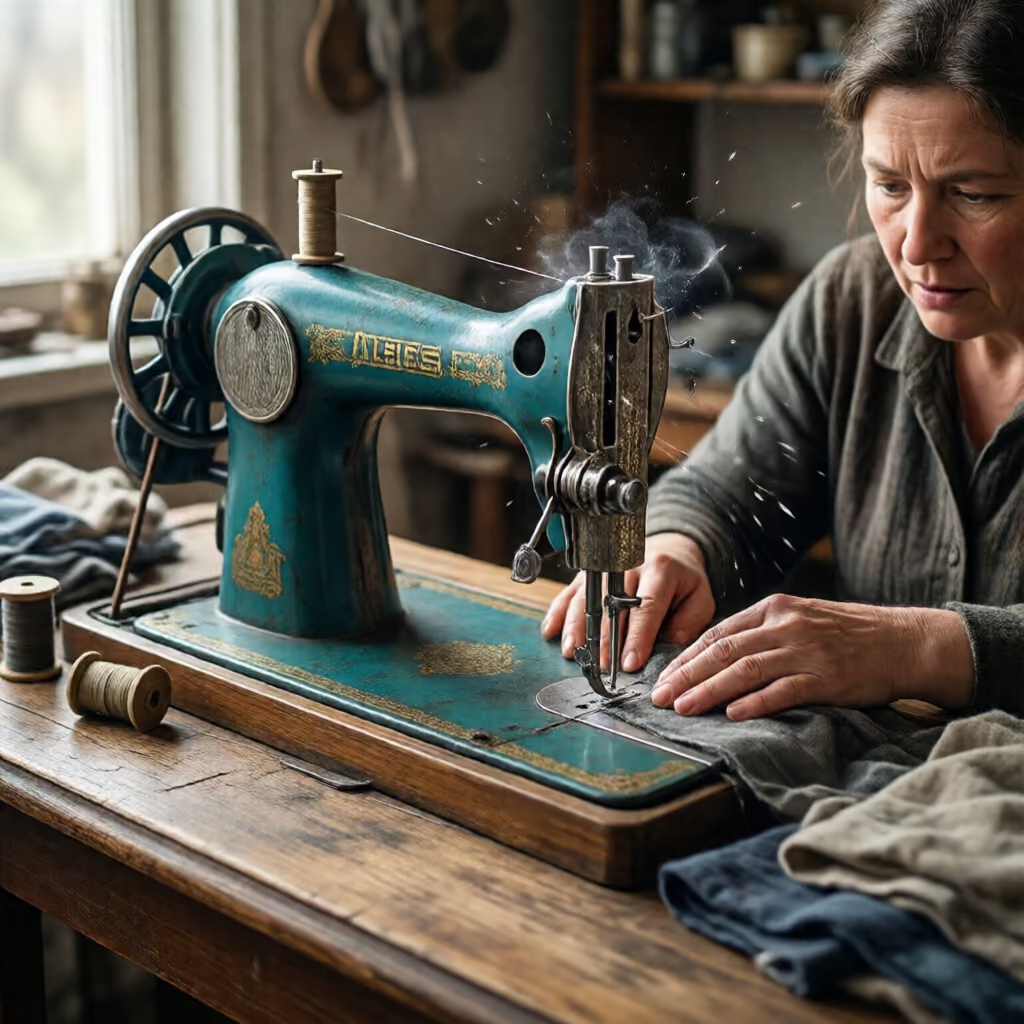
Die alte Nähmaschine rattert seit Stunden.
The old sewing machine has been rattling for hours.
to rattle
rattern – ratterte – hat gerattert
Loading your saved state.
to rattle
To make a rattling, clattering, or buzzing noise, especially as a machine or vehicle.
Die alte Nähmaschine rattert seit Stunden.
The old sewing machine has been rattling for hours.
to rattle along
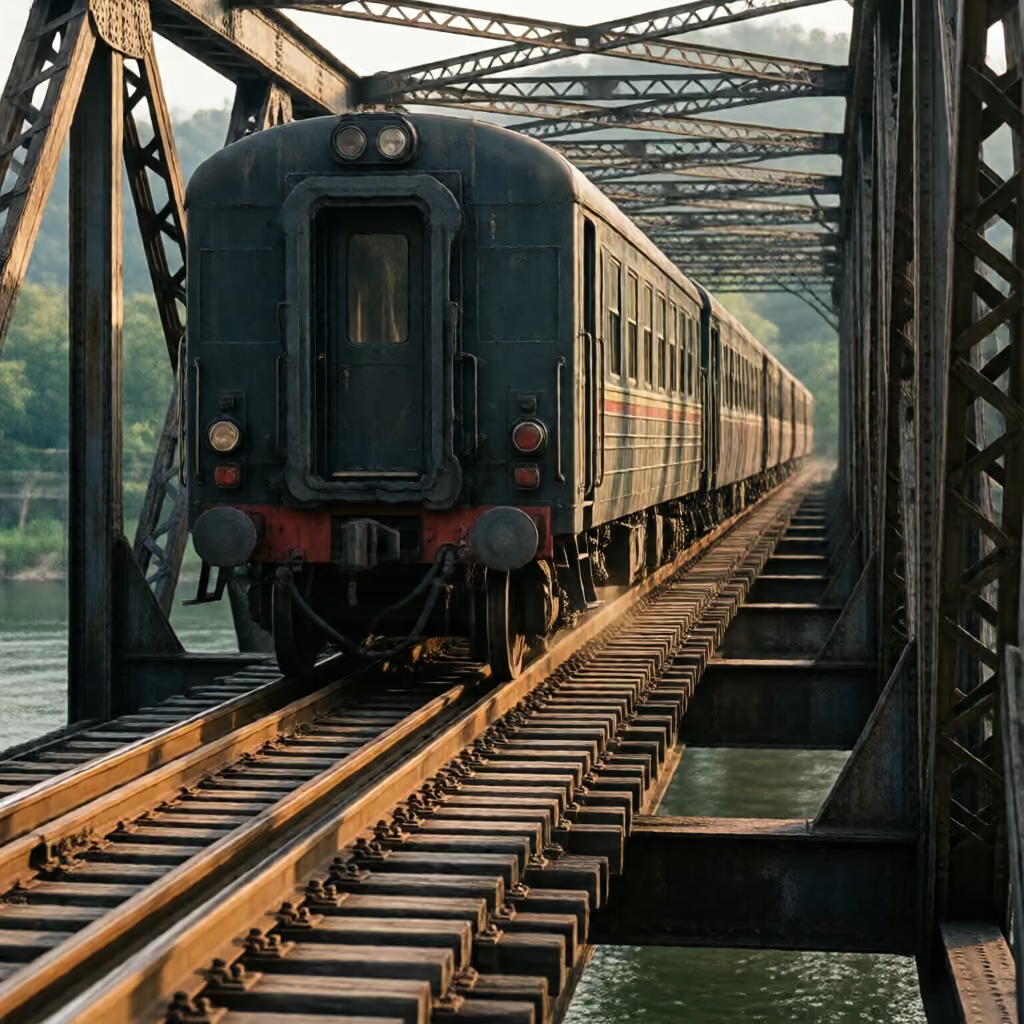
To move along while making a rattling or clattering noise.
Der Zug ratterte langsam über die Brücke.
The train rattled slowly across the bridge.

to rack one's brain
In the fixed colloquial expression „im Kopf rattern“: to think hard or rack one's brain.
In meinem Kopf rattert es, aber mir fällt die Lösung einfach nicht ein.
My mind is racing, but I simply can't come up with the solution.
| ich | rattere rattre |
|---|---|
| du | ratterst |
| er/sie/es | rattert |
| wir | rattern |
| ihr | rattert |
| sie | rattern |
| ich | ratterte |
|---|---|
| du | rattertest |
| er/sie/es | ratterte |
| wir | ratterten |
| ihr | rattertet |
| sie | ratterten |
| ich | habe gerattert |
|---|---|
| du | hast gerattert |
| er/sie/es | hat gerattert |
| wir | haben gerattert |
| ihr | habt gerattert |
| sie | haben gerattert |
| du | rattere! ratter!, rattre! |
|---|---|
| ihr | rattert! |
| Sie | rattern Sie! |
| ich | hatte gerattert |
|---|---|
| du | hattest gerattert |
| er/sie/es | hatte gerattert |
| wir | hatten gerattert |
| ihr | hattet gerattert |
| sie | hatten gerattert |
| ich | werde rattern |
|---|---|
| du | wirst rattern |
| er/sie/es | wird rattern |
| wir | werden rattern |
| ihr | werdet rattern |
| sie | werden rattern |
| ich | rattere rattre |
|---|---|
| du | ratterst |
| er/sie/es | rattere rattre |
| wir | rattern |
| ihr | rattert |
| sie | rattern |
Used for reported speech.
| ich | ratterte |
|---|---|
| du | rattertest |
| er/sie/es | ratterte |
| wir | ratterten |
| ihr | rattertet |
| sie | ratterten |
Used for wishes and “would”.
| infinitive | rattern |
|---|---|
| with zu | zu rattern |
| present participle | ratternd |
| past participle | gerattert |
In this meaning, „rattern“ (to rattle) frequently has technical devices or vehicle parts as its subject. Typical collocations include „die Maschine rattert“ (the machine rattles), „der Motor rattert“ (the engine rattles), and „der Drucker rattert“ (the printer rattles); the noise is often described more precisely with an adverb.
Der alte Drucker rattert bei jeder Seite laut.
The old printer rattles loudly with every page.
When describing movement, „rattern“ (to rattle) is often combined with a route or path. Prepositions such as „über“ (across/over) or „durch“ (through) are frequently used with the accusative.
Die Straßenbahn ratterte über die Schienen durch die Innenstadt.
The streetcar rattled over the tracks through the city center.
The colloquial expression „im Kopf rattern“ (to rack one's brain) describes intense thinking. It very often occurs with „es“ (it) as an impersonal subject and „im Kopf“ (in one's head) as a fixed complement.
Man konnte förmlich sehen, wie es in seinem Kopf ratterte.
You could practically see his mind racing.