

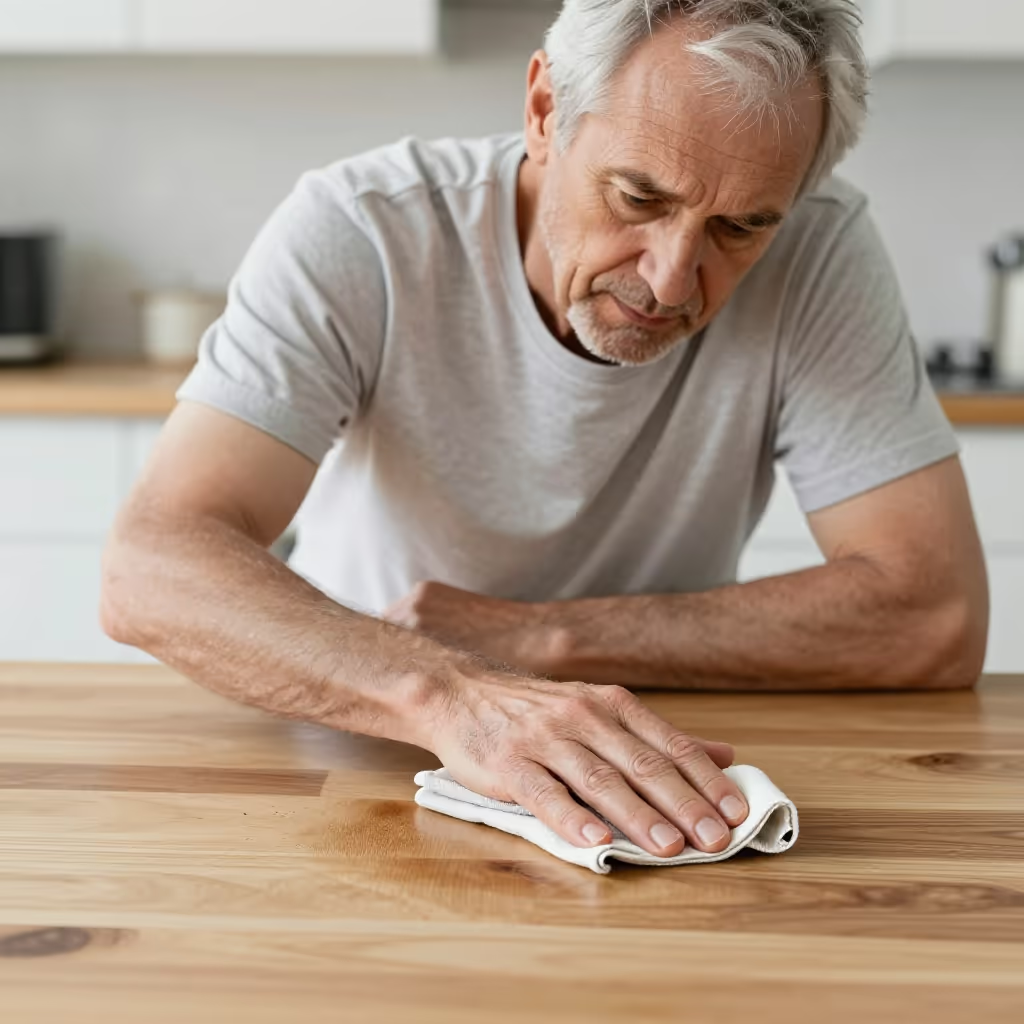
reiben
to rub
To move something back and forth with pressure on a surface.
EXAMPLE
Er rieb sich die kalten Hände, um sie zu wärmen.
He rubbed his cold hands to warm them.
to rub / grate
Loading your saved state.
to rub
To move something back and forth with pressure on a surface.
Er rieb sich die kalten Hände, um sie zu wärmen.
He rubbed his cold hands to warm them.
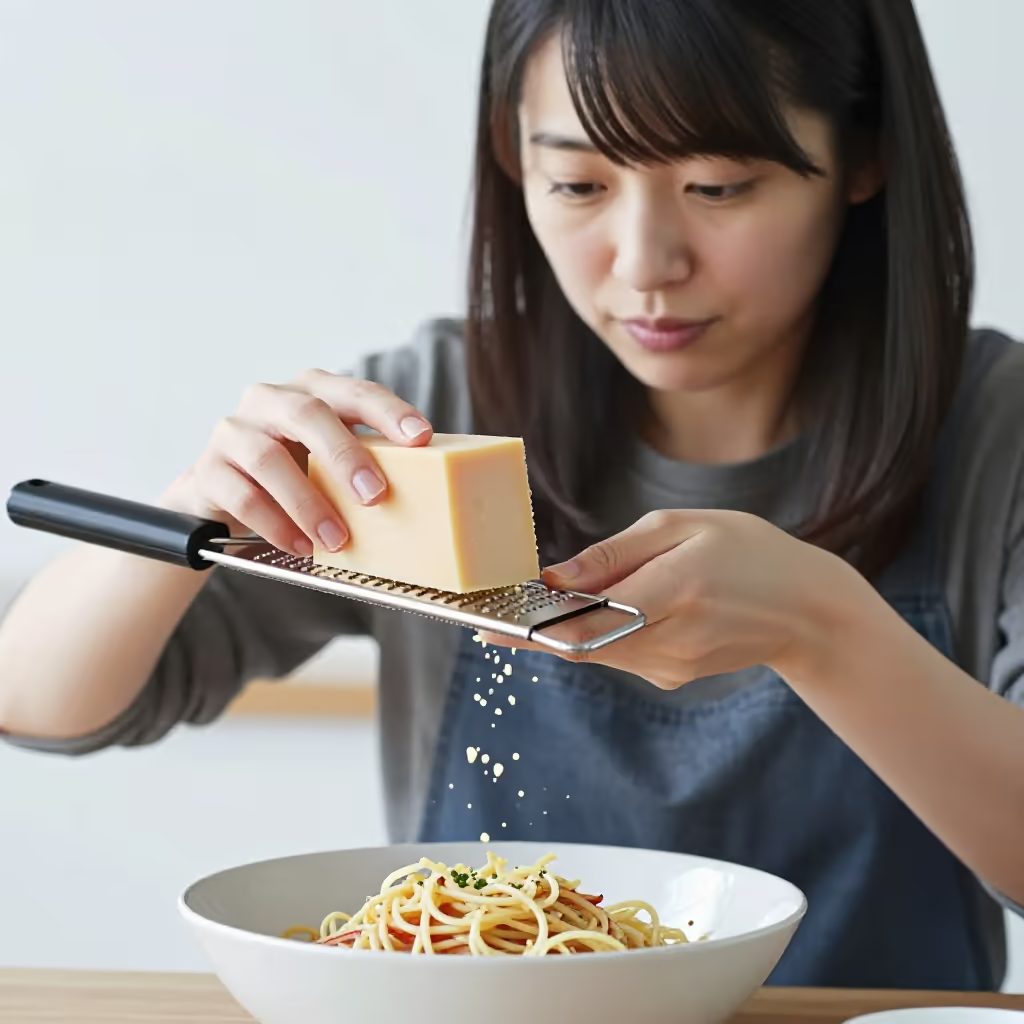
to grate
To shred food into small pieces or strips using a grater.
Für den Kuchen müssen wir noch die Karotten reiben.
For the cake, we still need to grate the carrots.

to clash with
To come into conflict with someone or something, or to feel constantly challenged by a person or situation.
Er ist ein kritischer Geist, der sich gerne an den Meinungen anderer reibt.
He is a critical mind who likes to clash with other people's opinions.
You can recognize the meaning of 'reiben' (to rub/grate) from the context. If it is about body parts, it means 'to move back and forth.' With food in the kitchen, it means 'to shred/grate.' The preposition 'an' (on/against) with a person or idea points to a conflict.
Sie rieb die Creme sanft in die Haut ein.
She gently rubbed the cream into the skin.
When you rub a part of your own body, the verb is often used reflexively. The person is in the dative (wem? — to/for whom?) and the body part is in the accusative (was? — what?).
Ich reibe mir die müden Augen.
I rub my tired eyes.
The past participle 'gerieben' is very often used like an adjective before a noun to describe grated food.
Auf die Pasta kommt zum Schluss noch geriebener Parmesan.
At the end, grated Parmesan goes on the pasta.
In the figurative meaning 'to come into conflict,' 'reiben' (to clash) is always used reflexively with the preposition 'an' and the dative. The fixed expression is 'sich an jemandem/etwas reiben' (to clash with someone/something).
Der Künstler rieb sich in seinen Werken immer wieder an der Gesellschaft.
In his works, the artist repeatedly clashed with society.
to wipe / to swipe
When cleaning a surface, both words can fit. Reiben emphasizes pressure and movement back and forth, while wischen focuses more on moving over the surface and removing dirt or moisture. Use reiben for a stubborn stain and wischen for a quick cleaning.
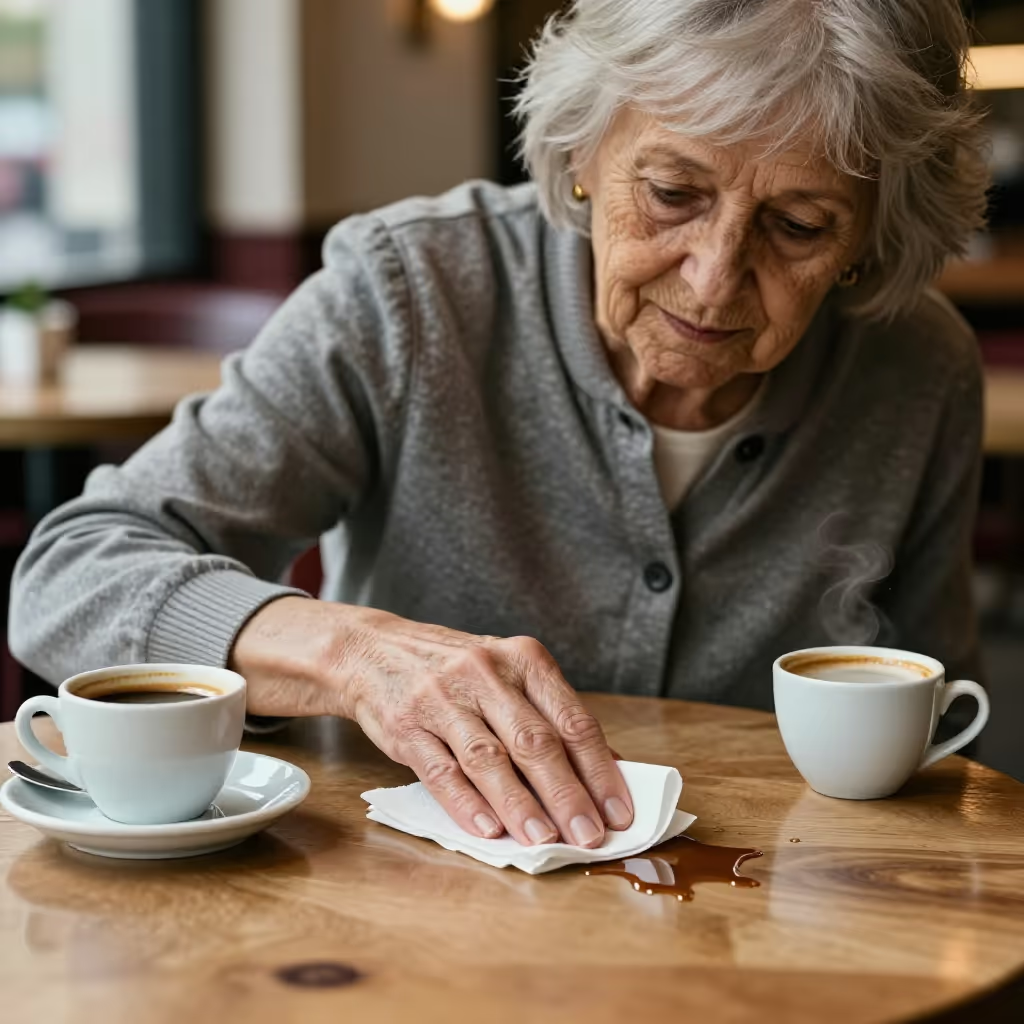
Sie rieb den festsitzenden Fleck mit einem Tuch und viel Druck.
She rubbed the stubborn stain with a cloth and a lot of pressure.
Sie wischte den kleinen Fleck mit einem Tuch vom Tisch.
She wiped the small stain off the table with a cloth.