

wischen
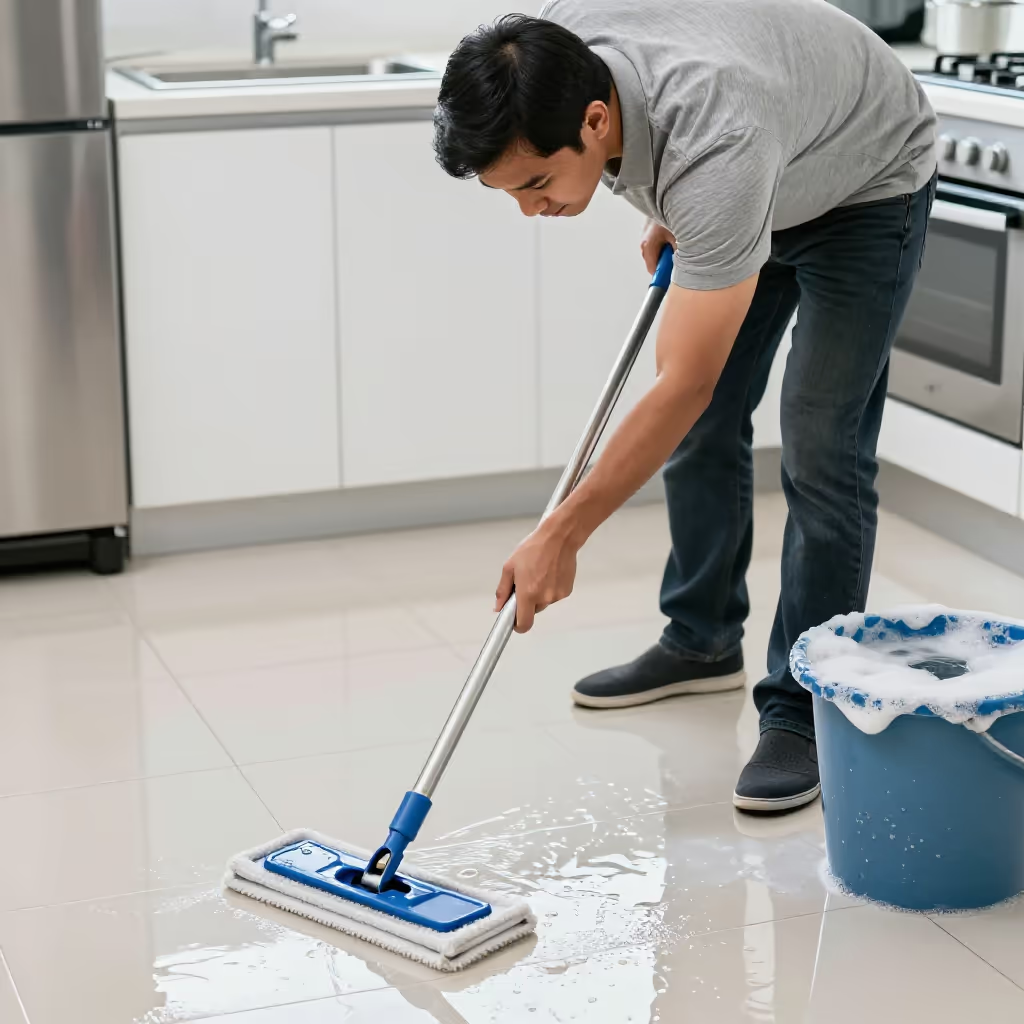
to mop
To clean a smooth surface, especially a floor, with a damp cloth or mop.
EXAMPLE
Ich muss nach dem Essen noch schnell die Küche wischen.
After dinner, I still have to quickly mop the kitchen.
to wipe / to swipe
Loading your saved state.
to mop
To clean a smooth surface, especially a floor, with a damp cloth or mop.
Ich muss nach dem Essen noch schnell die Küche wischen.
After dinner, I still have to quickly mop the kitchen.
to wipe
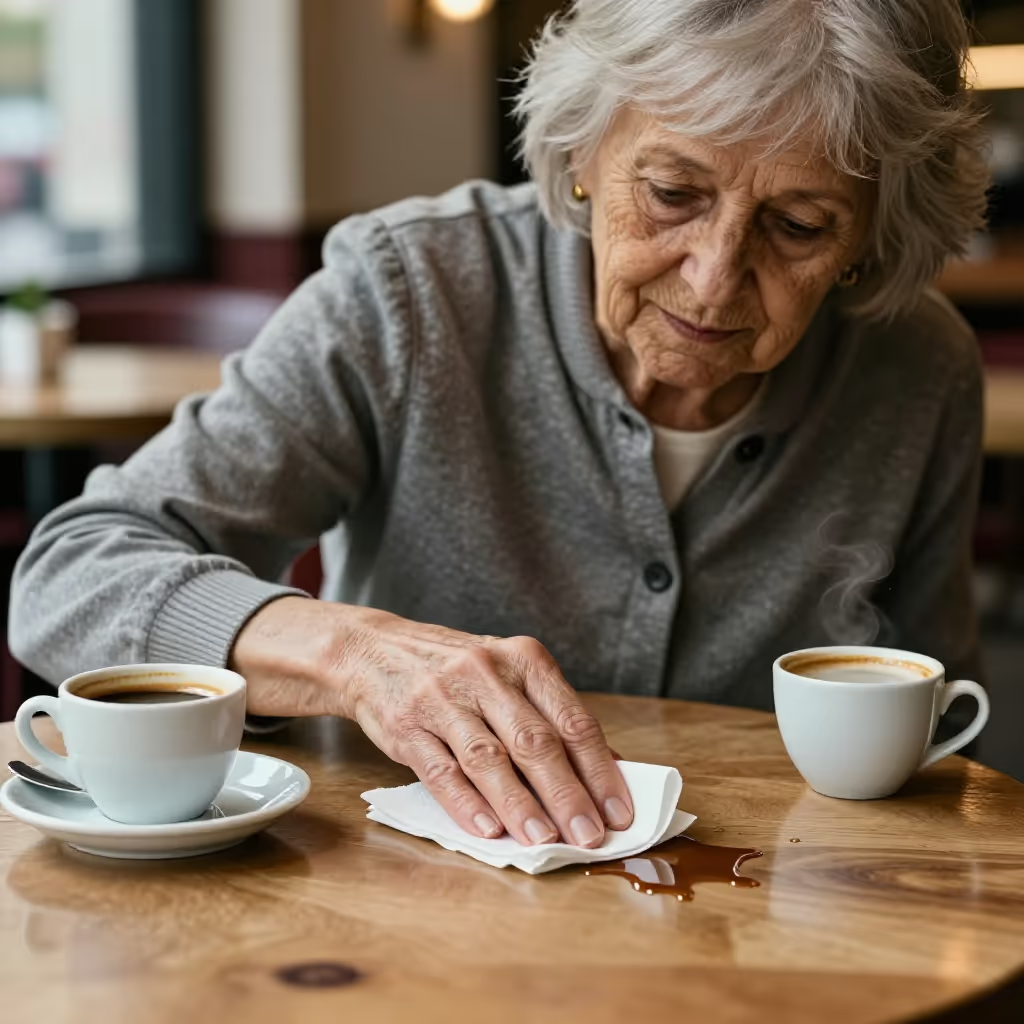
To move over a surface with a quick hand movement in order to remove or dry something.
Er wischte sich mit dem Handrücken den Schweiß von der Stirn.
He wiped the sweat from his forehead with the back of his hand.
to swipe
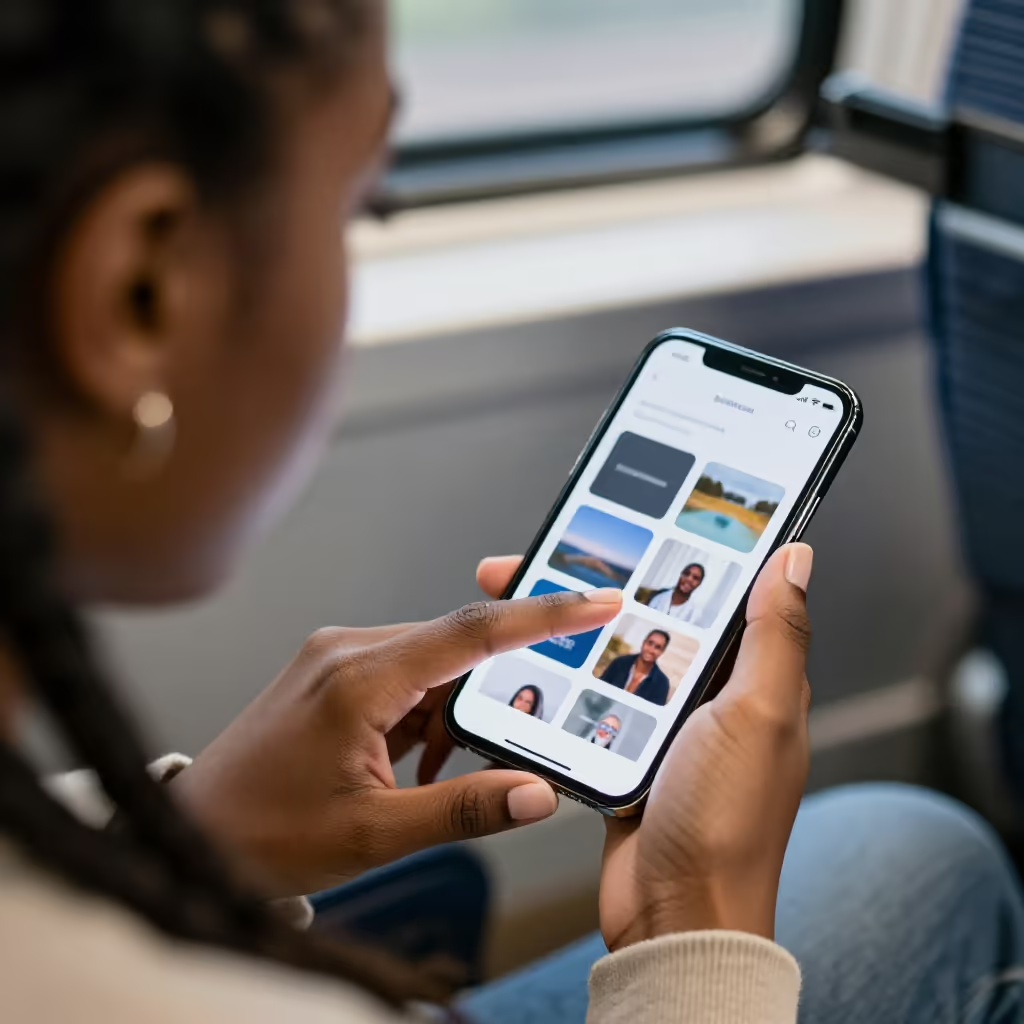
To make a gliding movement with your finger on a touchscreen in order to navigate or trigger a function.
Um das nächste Bild anzusehen, musst du einfach nach links wischen.
To look at the next picture, you just have to swipe left.
to give someone a slap
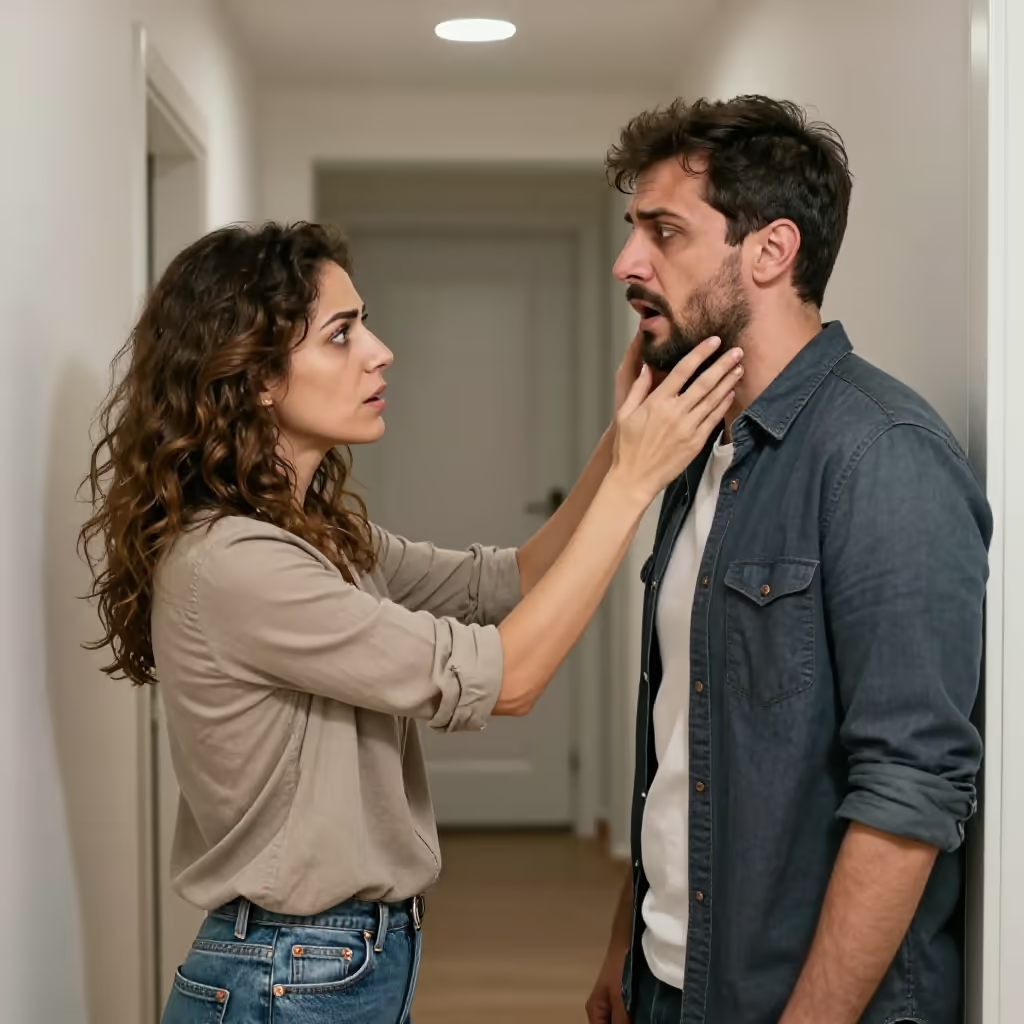
Colloquial for giving someone a slap in the face; to hit someone.
Wenn du das noch einmal sagst, wisch ich dir eine!
If you say that one more time, I'll give you a slap!
You can recognize the meaning of 'wischen' (to wipe/mop/swipe) from the object: 'Den Boden wischen' (to mop the floor) means to clean. 'Sich die Tränen wischen' (to wipe away one's tears) means to dry. 'Auf dem Handy wischen' (to swipe on the phone) means to navigate.
Sie wischte den verschütteten Kaffee vom Tisch.
She wiped the spilled coffee off the table.
In the meaning of 'reinigen' (to clean), 'wischen' (to mop/wipe) is often combined with the place or the dirt. Typical examples are 'den Boden wischen' (to mop the floor), 'die Fliesen wischen' (to wipe/mop the tiles), or 'Staub wischen' (to dust).
Am Samstagmorgen wische ich immer Staub in der ganzen Wohnung.
On Saturday mornings, I always dust the whole apartment.
When wiping something off your face, a reflexive structure is often used: 'sich (Dativ) etwas (Akkusativ) aus/von dem Gesicht wischen' (to wipe something off/from one's face).
Das Kind wischte sich die Schokolade aus dem Gesicht.
The child wiped the chocolate off their face.
When operating a touchscreen, 'wischen' (to swipe) is almost always combined with a direction: 'nach links wischen' (to swipe left), 'nach rechts wischen' (to swipe right), 'nach oben wischen' (to swipe up), or 'nach unten wischen' (to swipe down).
Wische nach oben, um das Kontrollzentrum zu öffnen.
Swipe up to open the control center.
The expression 'jemandem eine wischen' (to give someone a slap) is a fixed structure. The person receiving the blow is always in the dative.
Er war so wütend, dass er seinem Gegner am liebsten eine gewischt hätte.
He was so angry that he would have loved to give his opponent a slap.
The expression 'jemandem eine wischen' (to give someone a slap) belongs to colloquial language. It is rarely used in formal or written texts.
Pass auf, was du sagst, sonst wisch ich dir eine!
Watch what you say, or I'll give you a slap!
to clean
putzen and wischen can both refer to cleaning a surface. wischen is more specific and emphasizes moving a damp cloth or mop across the surface, while putzen also includes other ways of cleaning. Choose wischen for this specific movement and putzen for the general cleaning task.
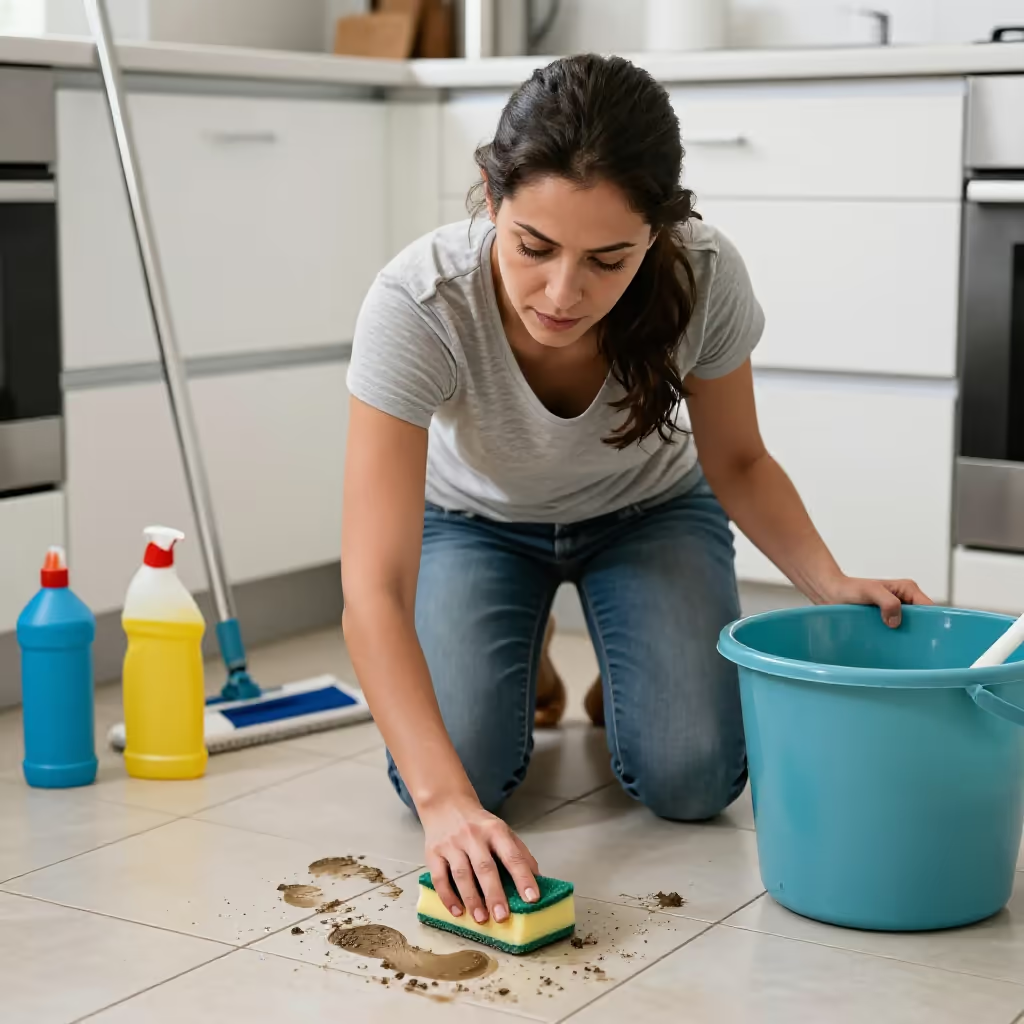
Ich wische heute den Küchenboden mit einem feuchten Mopp.
I'm mopping the kitchen floor with a damp mop today.
Ich putze heute den Küchenboden gründlich.
I'm thoroughly cleaning the kitchen floor today.