


der Reiser
traveler
An outdated or poetic term for a person who undertakes a journey; a traveler.
EXAMPLE
Müde und staubig erreichte der Reiser am Abend endlich das Gasthaus.
Tired and dusty, the traveler finally reached the inn in the evening.
traveler / scion
Loading your saved state.
traveler
An outdated or poetic term for a person who undertakes a journey; a traveler.
Müde und staubig erreichte der Reiser am Abend endlich das Gasthaus.
Tired and dusty, the traveler finally reached the inn in the evening.
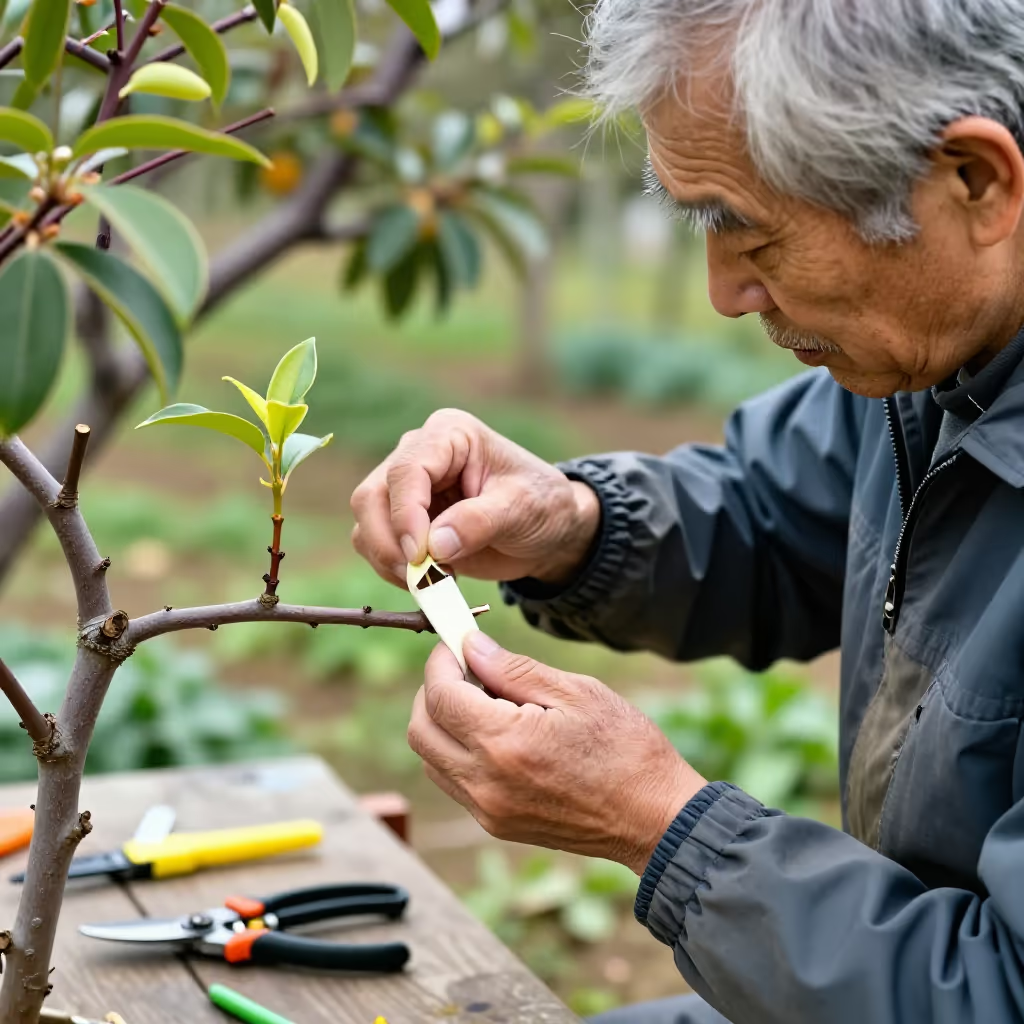
scion
A young shoot or twig of a plant that is grafted onto another plant for propagation. It is a technical term from horticulture.
Der Gärtner schnitt einen Reiser von dem alten Apfelbaum, um die Sorte zu erhalten.
The gardener cut a scion from the old apple tree to preserve the variety.
The two meanings are clearly separated by context. If people, history, or literature are being discussed, it means the traveler. If plants, trees, or gardening are being discussed, it means the twig or scion.
Der Dichter beschrieb den einsamen Reiser in den Bergen.
The poet described the lonely traveler in the mountains.
In this meaning, 'der Reiser' (traveler) is derived directly from the verb 'reisen' (to travel). It is the old form for a person who travels.
Im Mittelalter war ein Reiser oft monatelang unterwegs.
In the Middle Ages, a traveler was often on the road for months.
This word for a traveler is outdated and is used today only in historical or poetic texts. In modern German, people say 'der Reisende' or 'die Reisende' (the traveler).
In dem alten Roman kehrte der Reiser nach vielen Jahren zurück.
In the old novel, the traveler returned after many years.
In this meaning, 'der Reiser' (scion) is a technical term from horticulture and botany. Outside this field, the word is hardly understood.
Für eine erfolgreiche Pfropfung muss der Reiser gesund sein.
For successful grafting, the scion must be healthy.
rice
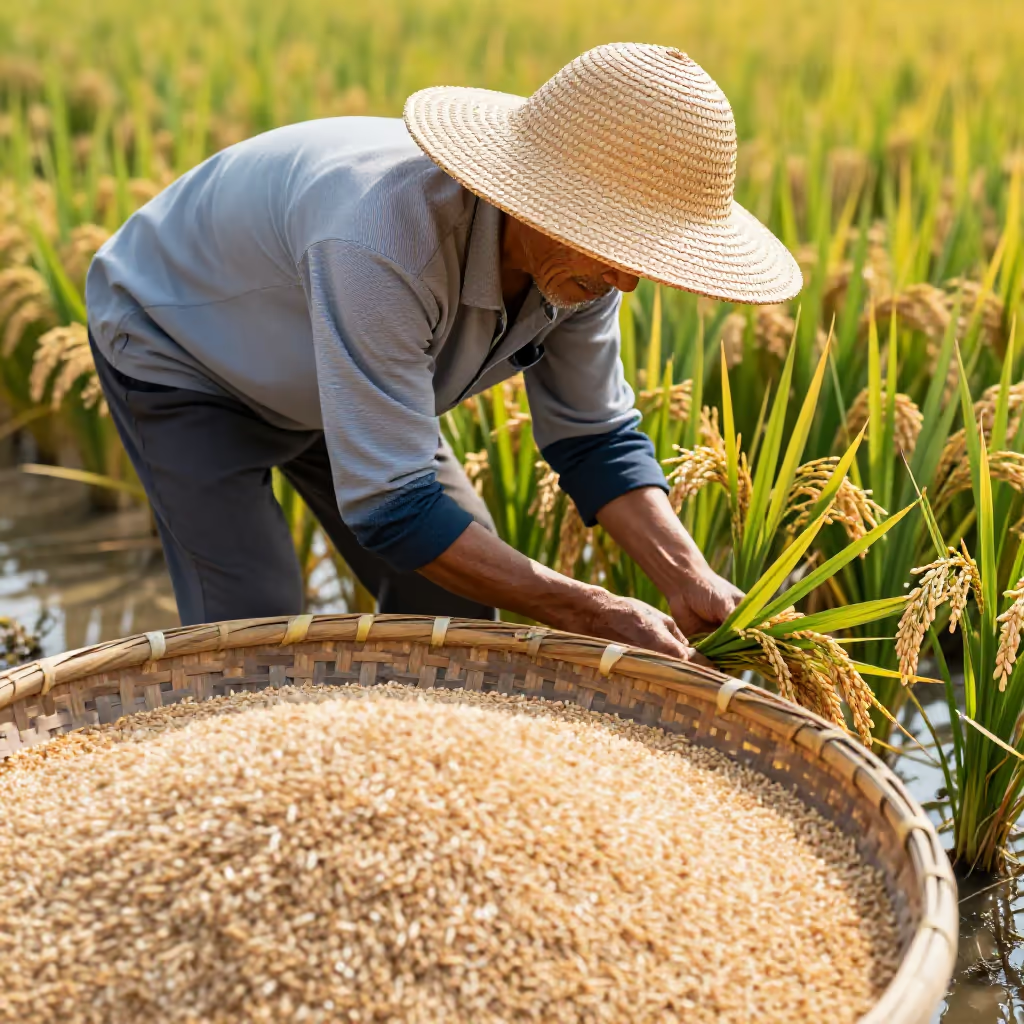
Reis is a grain and a common staple food. Reiser, on the other hand, refers to a young plant shoot used for grafting. So use “Reis” for a food and “Reiser” for such a shoot in horticulture.
Für die Veredelung setzt der Gärtner einen Reiser auf den jungen Baum.
The gardener grafts a scion onto the young tree.
Für das Mittagessen kocht sie Reis mit Gemüse.
She is cooking rice with vegetables for lunch.