

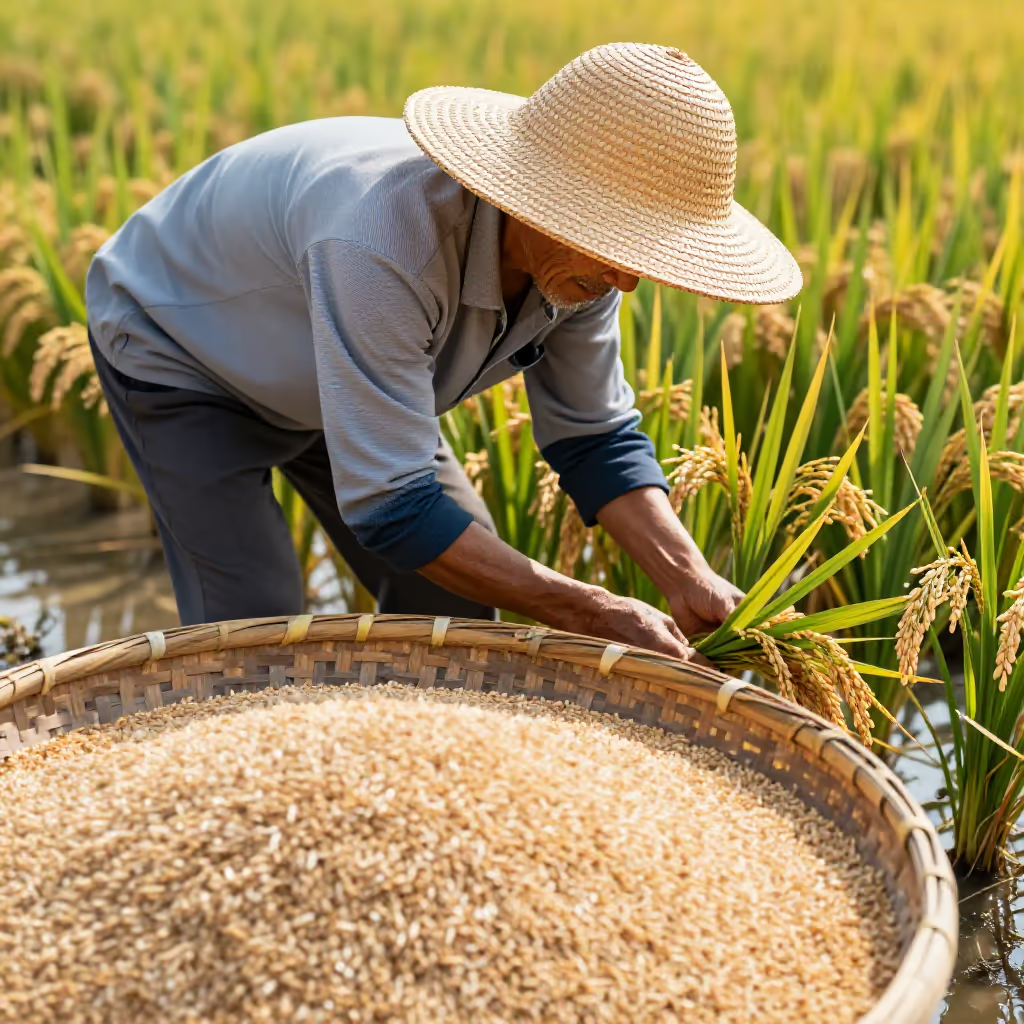
der Reis
rice
A grain with small, elongated or round kernels that is grown especially in warm countries and eaten as a staple food.
EXAMPLE
Zum Hähnchencurry essen wir am liebsten Basmatireis.
With chicken curry, we like to eat basmati rice best.
rice
Loading your saved state.
rice
A grain with small, elongated or round kernels that is grown especially in warm countries and eaten as a staple food.
Zum Hähnchencurry essen wir am liebsten Basmatireis.
With chicken curry, we like to eat basmati rice best.
As the name of a food (a mass noun), 'Reis' is usually used without an article and in the singular because it is not countable. The plural 'die Reise' (for types of rice) is very rare.
Ich esse nicht so gern Reis.
I don't really like eating rice.
'Reis' is often the second part of compound words that refer to a particular variety or a dish. This makes it possible to understand and form many new words.
Kinder essen gerne Milchreis mit Zimt und Zucker.
Children like eating rice pudding with cinnamon and sugar.
In connection with rice as a food, the verbs 'kochen' (to cook), 'anbauen' (to grow), and 'ernten' (to harvest) are often used.
Vergiss nicht, den Reis zu kochen.
Don't forget to cook the rice.
traveler / scion
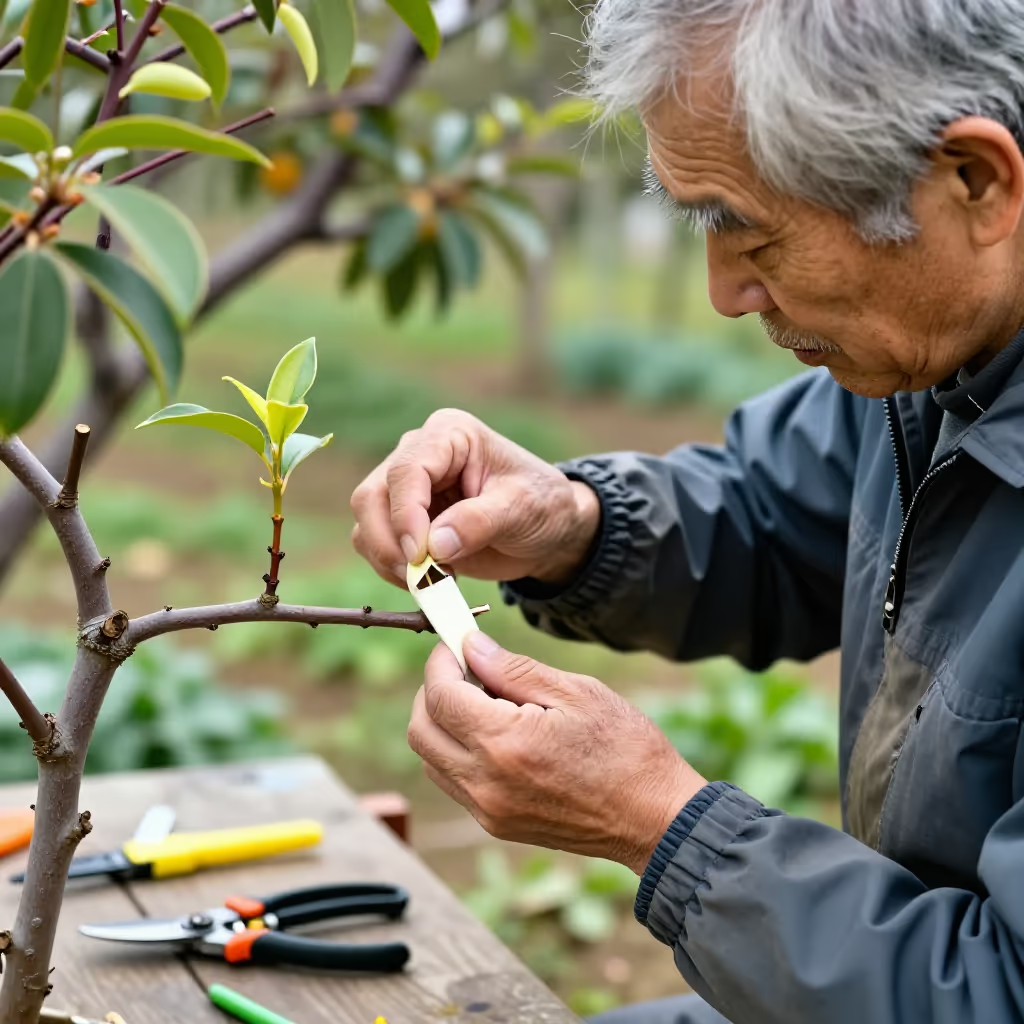
Reis is a grain and a common staple food. Reiser, on the other hand, refers to a young plant shoot used for grafting. So use “Reis” for a food and “Reiser” for such a shoot in horticulture.
Für das Mittagessen kocht sie Reis mit Gemüse.
She is cooking rice with vegetables for lunch.
Für die Veredelung setzt der Gärtner einen Reiser auf den jungen Baum.
The gardener grafts a scion onto the young tree.