

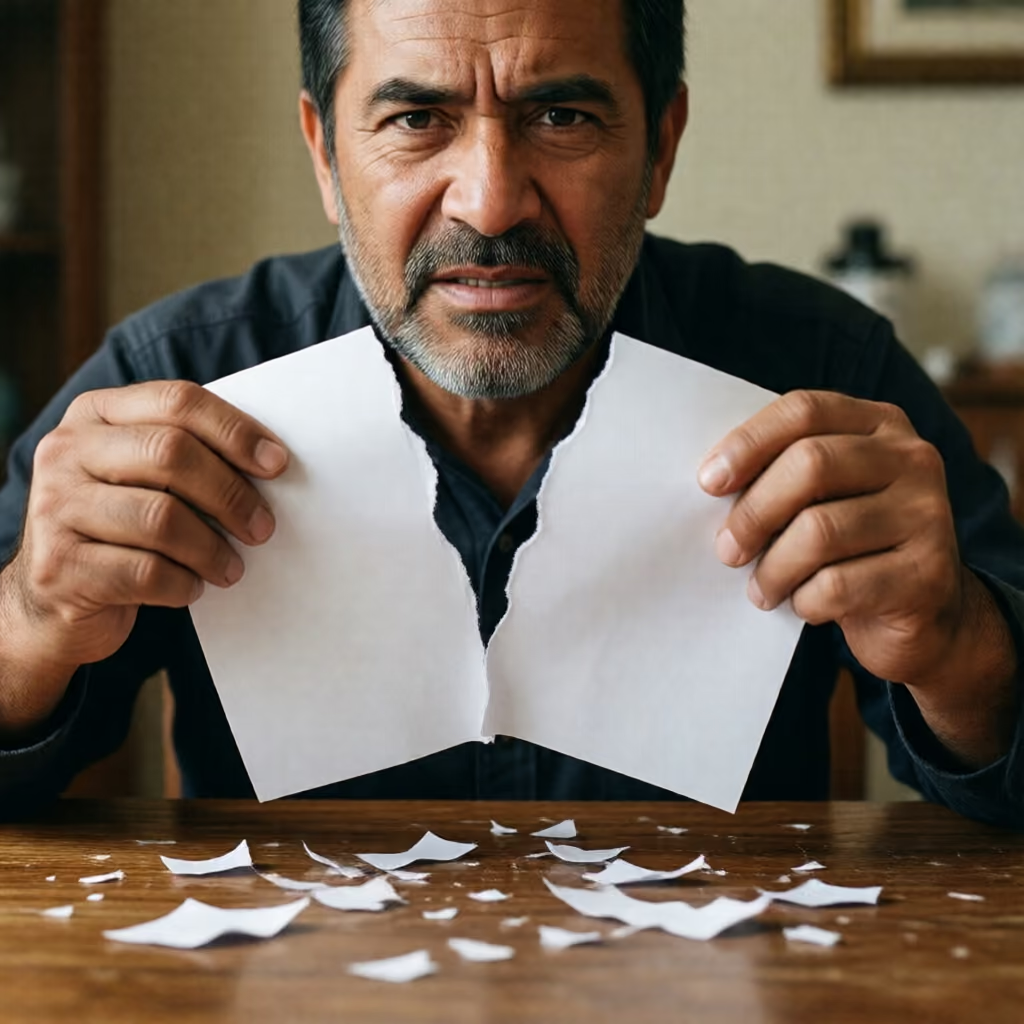
reißen
to tear
To separate or damage something by pulling it forcefully.
EXAMPLE
Er riss den Brief in kleine Stücke.
He tore the letter into small pieces.
to tear / to yank
reißen – riss – hat gerissen
Loading your saved state.
to tear
To separate or damage something by pulling it forcefully.
Er riss den Brief in kleine Stücke.
He tore the letter into small pieces.
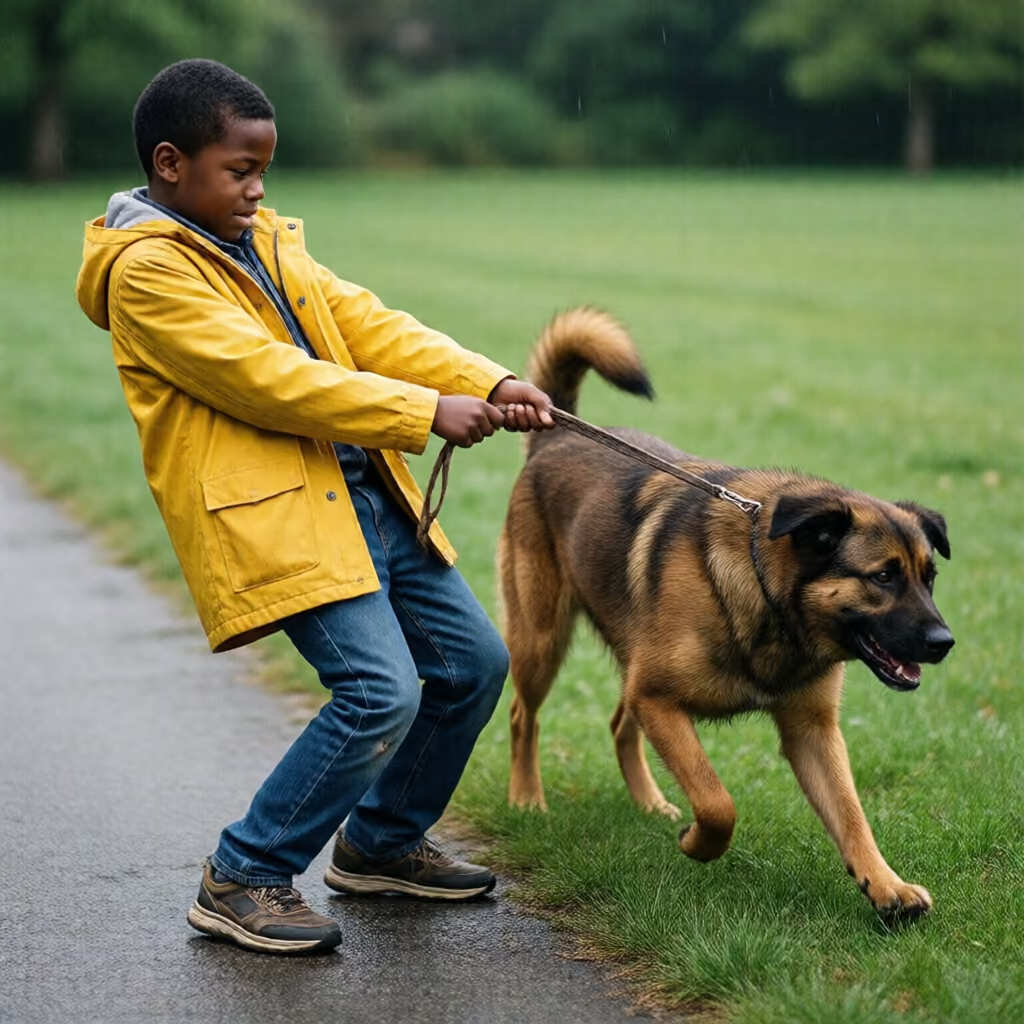
to tug
To pull or tug at something with great force.
Der Hund riss heftig an der Leine.
The dog tugged hard on the leash.
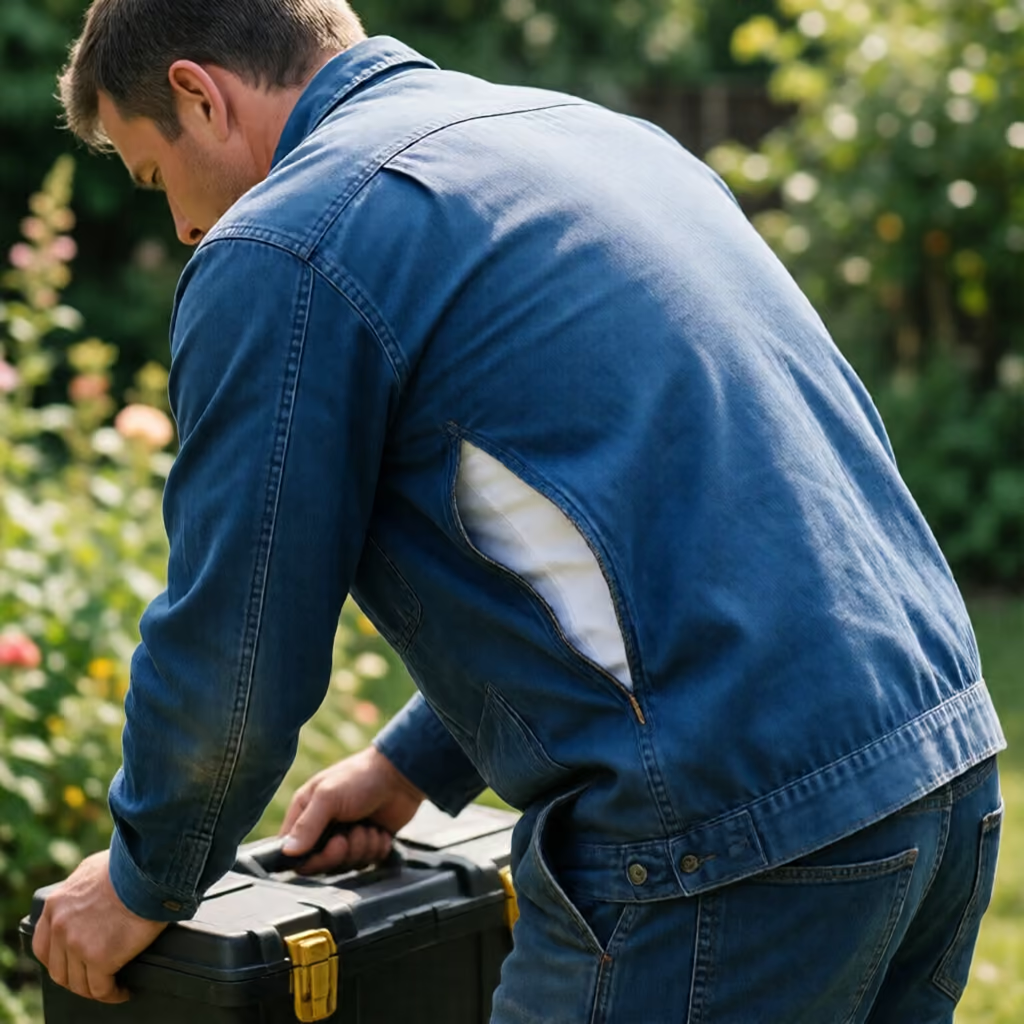
to tear
To develop a tear or break apart because of tension or strain.
Die Naht riss, als er sich bückte.
The seam tore when he bent down.

to snatch
To take or pull something or someone away suddenly and forcefully.
Der Dieb riss der Frau die Tasche aus der Hand.
The thief snatched the woman's bag from her hand.

to seize
To take over something forcefully or without authorization, especially power, influence, or responsibility.
Der General riss die politische Macht an sich.
The general seized political power.

to kill (prey)
Said of predatory animals: to attack another animal as prey and kill it by biting it.
Der Wolf riss ein Schaf.
The wolf killed a sheep.

to jolt awake
To wake someone suddenly or pull them abruptly out of a peaceful state.
Das laute Gewitter riss mich aus dem Schlaf.
The loud thunderstorm jolted me awake.

to vie for something
To want something very badly and therefore compete with others for it.
Die Fans rissen sich um die letzten Eintrittskarten.
The fans vied for the last tickets.

to crack a joke
Colloquial: to make a joke or say something humorous.
Er riss einen Witz über den neuen Kollegen.
He cracked a joke about the new colleague.

to stab
To cause or feel a sudden, sharp, or pulling pain.
Bei jeder Bewegung riss es in meinem Rücken.
Every movement caused a stabbing pain in my back.

to snatch
In weightlifting, to lift a barbell from the floor over the head in one fast movement.
Die Sportlerin riss im Wettkampf 90 Kilogramm.
The athlete snatched 90 kilograms in the competition.
| ich | reiße |
|---|---|
| du | reißt |
| er/sie/es | reißt |
| wir | reißen |
| ihr | reißt |
| sie | reißen |
| ich | riss |
|---|---|
| du | rissest risst |
| er/sie/es | riss |
| wir | rissen |
| ihr | risst |
| sie | rissen |
| ich | habe gerissen bin gerissen |
|---|---|
| du | hast gerissen bist gerissen |
| er/sie/es | hat gerissen ist gerissen |
| wir | haben gerissen sind gerissen |
| ihr | habt gerissen seid gerissen |
| sie | haben gerissen sind gerissen |
| du | reiße! reiß! |
|---|---|
| ihr | reißt! |
| Sie | reißen Sie! |
| ich | hatte gerissen war gerissen |
|---|---|
| du | hattest gerissen warst gerissen |
| er/sie/es | hatte gerissen war gerissen |
| wir | hatten gerissen waren gerissen |
| ihr | hattet gerissen wart gerissen |
| sie | hatten gerissen waren gerissen |
| ich | werde reißen |
|---|---|
| du | wirst reißen |
| er/sie/es | wird reißen |
| wir | werden reißen |
| ihr | werdet reißen |
| sie | werden reißen |
| ich | reiße |
|---|---|
| du | reißest |
| er/sie/es | reiße |
| wir | reißen |
| ihr | reißet |
| sie | reißen |
Used for reported speech.
| ich | risse |
|---|---|
| du | rissest |
| er/sie/es | risse |
| wir | rissen |
| ihr | risset |
| sie | rissen |
Used for wishes and “would”.
| infinitive | reißen |
|---|---|
| with zu | zu reißen |
| present participle | reißend |
| past participle | gerissen |
In this meaning, 'reißen' (to tear) is often used with things that can be damaged or separated by pulling. Typical objects are paper, fabric, a rope, or a page.
Sie riss das alte Foto vorsichtig aus dem Album.
She carefully tore the old photograph out of the album.
When pulling or tugging, the thing following 'an' is in the dative. Common combinations include 'an der Leine reißen' (to tug on the leash), 'am Seil reißen' (to tug on the rope), and 'an der Tür reißen' (to tug on the door).
Der Junge riss ungeduldig an der verschlossenen Tür.
The boy impatiently tugged on the locked door.
In this meaning, 'reißen' (to tear) is intransitive: the thing damaged by tension or strain is the subject. The perfect tense is formed with 'sein' (to be).
Das alte Seil ist unter der schweren Last gerissen.
The old rope tore under the heavy load.
When something is suddenly taken away, the affected person is in the dative and the thing taken away is in the accusative. The common construction is 'jemandem etwas aus der Hand reißen' (to snatch something from someone's hand).
Der Wind riss mir den Regenschirm aus der Hand.
The wind snatched the umbrella from my hand.
The fixed expression 'etwas an sich reißen' (to seize something) is used especially with power, control, influence, or responsibility. 'Sich' refers to the person who takes something over without authorization.
Nach dem Rücktritt des Vorsitzenden riss sie die Leitung an sich.
After the chairperson's resignation, she seized control of the organization.
In this meaning, a predator or other hunting animal is usually the subject. Animals such as sheep, deer, or chickens often appear as the object.
Der Fuchs hat in der Nacht drei Hühner gerissen.
The fox killed three chickens during the night.
The fixed expression 'jemanden aus dem Schlaf reißen' (to jolt someone awake) is used with 'aus' and the dative. It describes being woken suddenly by a sound or event.
Ein heftiger Knall riss die Nachbarn aus dem Schlaf.
A loud bang jolted the neighbors awake.
In the fixed reflexive expression 'sich um etwas reißen' (to vie for something), 'um' is used with the accusative. It is often used when many people want the same desirable thing.
Die Bewerber rissen sich um die wenigen freien Plätze.
The applicants vied for the few available places.
'Einen Witz reißen' (to crack a joke) is a fixed colloquial expression. The verb is used with an accusative object; 'über' with the accusative often follows as well.
Beim Abendessen riss mein Bruder einen Witz über unseren Urlaub.
During dinner, my brother cracked a joke about our vacation.
For suddenly occurring pain, 'reißen' (to stab) is often used impersonally with 'es' (it). The painful part of the body usually follows 'in' or 'an'.
Nach dem langen Lauf riss es plötzlich in meinem linken Knie.
After the long run, I suddenly felt a stabbing pain in my left knee.
This meaning belongs to the technical language of weightlifting. The weight lifted is an accusative object, often together with a number of kilograms.
Im zweiten Versuch hat er 150 Kilogramm sauber gerissen.
On his second attempt, he cleanly snatched 150 kilograms.