die Reserve
reserve
Something that is kept back for a later time or for emergencies, for example money, food, or material.
Für den Winter haben wir eine Reserve an Heizöl im Keller.
For the winter, we have a reserve of heating oil in the basement.

reserve
Loading your saved state.
reserve
Something that is kept back for a later time or for emergencies, for example money, food, or material.
Für den Winter haben wir eine Reserve an Heizöl im Keller.
For the winter, we have a reserve of heating oil in the basement.
The noun 'die Reserve' (reserve) belongs to the word family of the verb 'reservieren' (to reserve). A reserve is therefore something that is 'reserved' or held back for a later purpose.
Wir haben für die Reise etwas Geld reserviert.
We reserved some money for the trip.
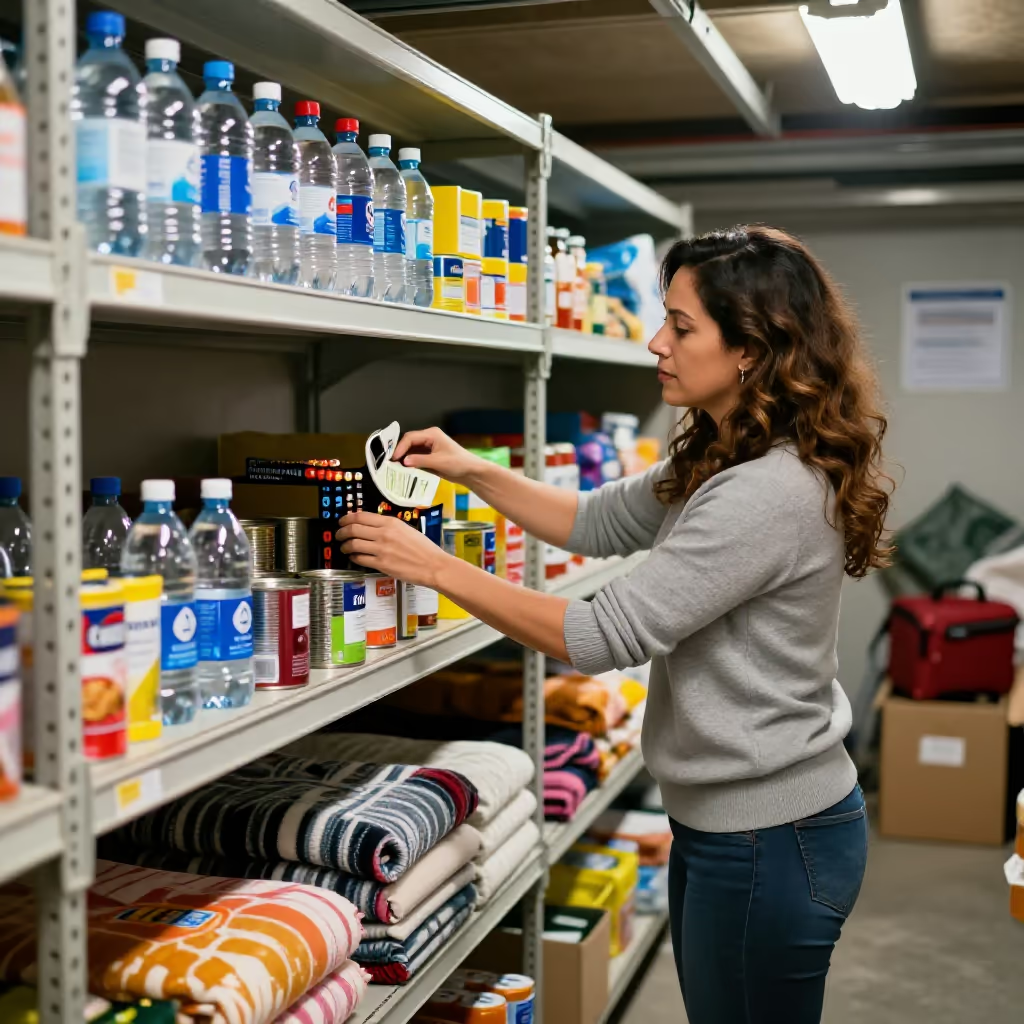
When referring to supplies, people often speak of an 'eiserne Reserve' (emergency reserve) for absolute emergencies or of 'finanzielle Reserven' (financial reserves). Typical verbs are 'Reserven anlegen' (to build up reserves) or 'Reserven aufbrauchen' (to use up reserves).
Jede Familie sollte eine kleine eiserne Reserve an Lebensmitteln haben.
Every family should have a small emergency reserve of food.
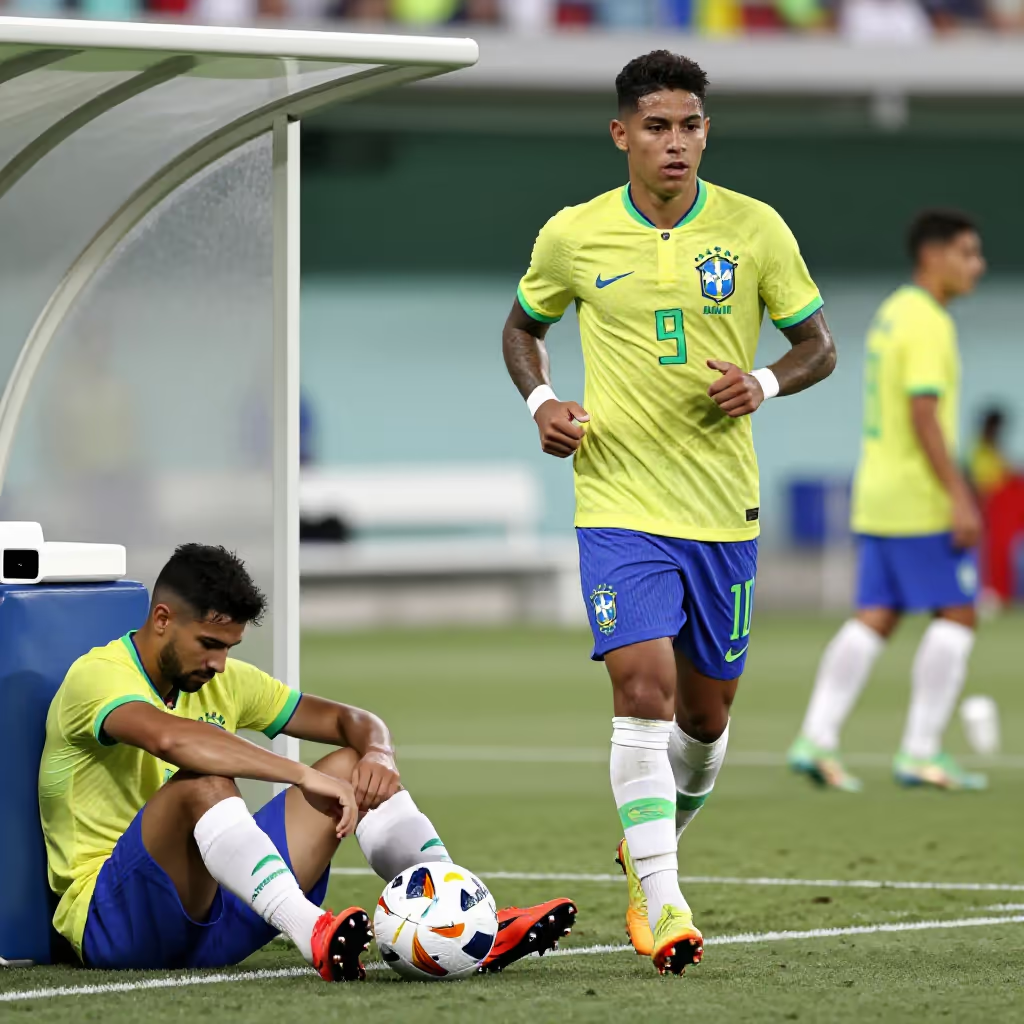
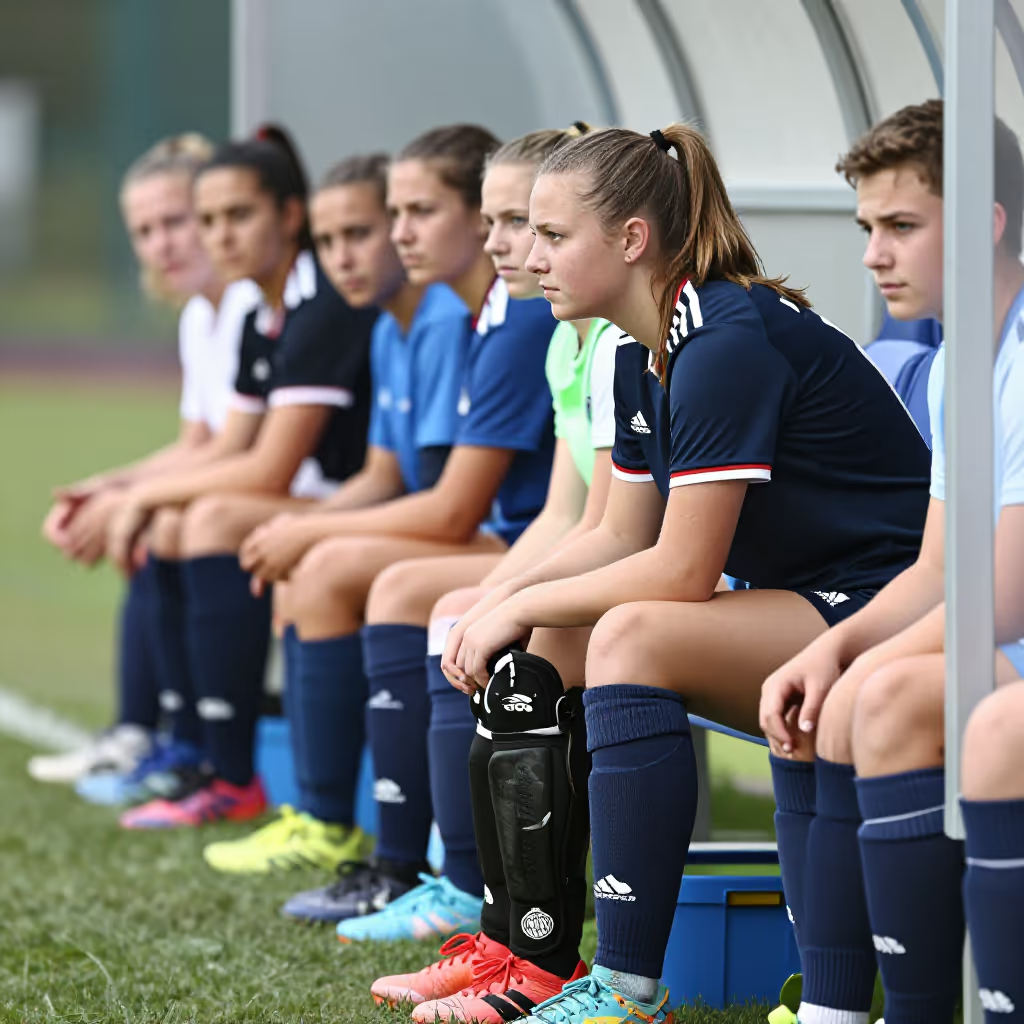
In a sports context, substitute players often sit 'auf der Reservebank' (on the bench). You can also say that a player is 'in Reserve' (in reserve).
Der Stürmer saß die erste Halbzeit nur auf der Reservebank.
The striker spent the first half only on the bench.
The idiom 'jemanden aus der Reserve locken' (to draw someone out of their reserve) is very common. The person being provoked is always in the accusative.
Der Reporter versuchte, den schweigsamen Künstler aus der Reserve zu locken.
The reporter tried to draw the quiet artist out of his reserve.
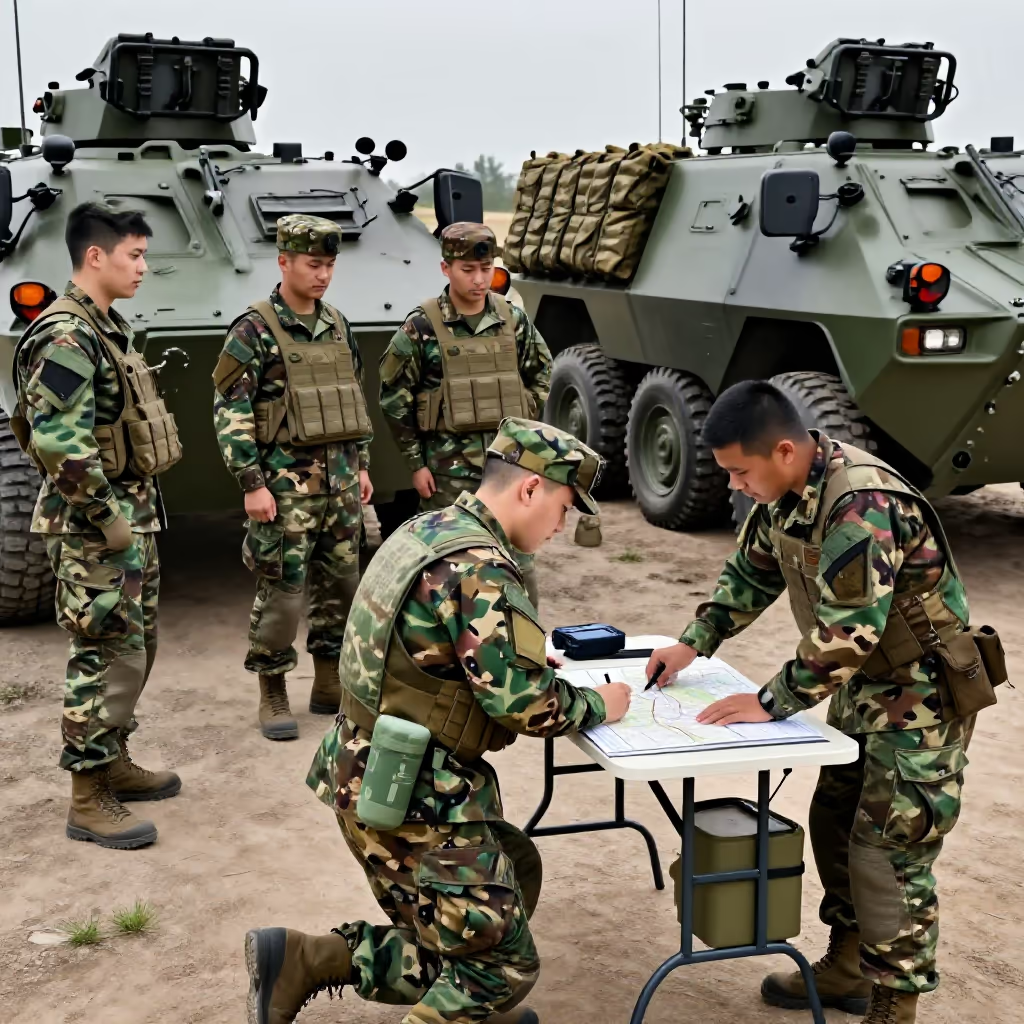
You can recognize this meaning from typical military terms such as 'Truppen' (troops), 'General' (general), 'strategisch' (strategic), or 'an die Front' (to the front).
Der General hielt seine besten Truppen als strategische Reserve zurück.
The general held back his best troops as a strategic reserve.
replacement / compensation
'der Ersatz' and 'die Reserve' are close in meaning when something or someone is ready in case something fails or someone is unavailable. 'Ersatz' is used when the person or thing really takes the place of another. 'Reserve' more often means something that is held back and used only if needed, for example money, material, or a person in sports. So you can have a reserve before anything is missing at all. It only becomes a replacement when it actually steps in. The words can be confused because both have to do with emergencies and things or people being unavailable.

Vor der Reise legt Maria etwas Geld als Reserve zurück.
Before the trip, Maria sets aside some money as a reserve.
Am Morgen suche ich Ersatz für die Kollegin, die plötzlich krank ist.
In the morning, I am looking for a replacement for the colleague who is suddenly sick.