

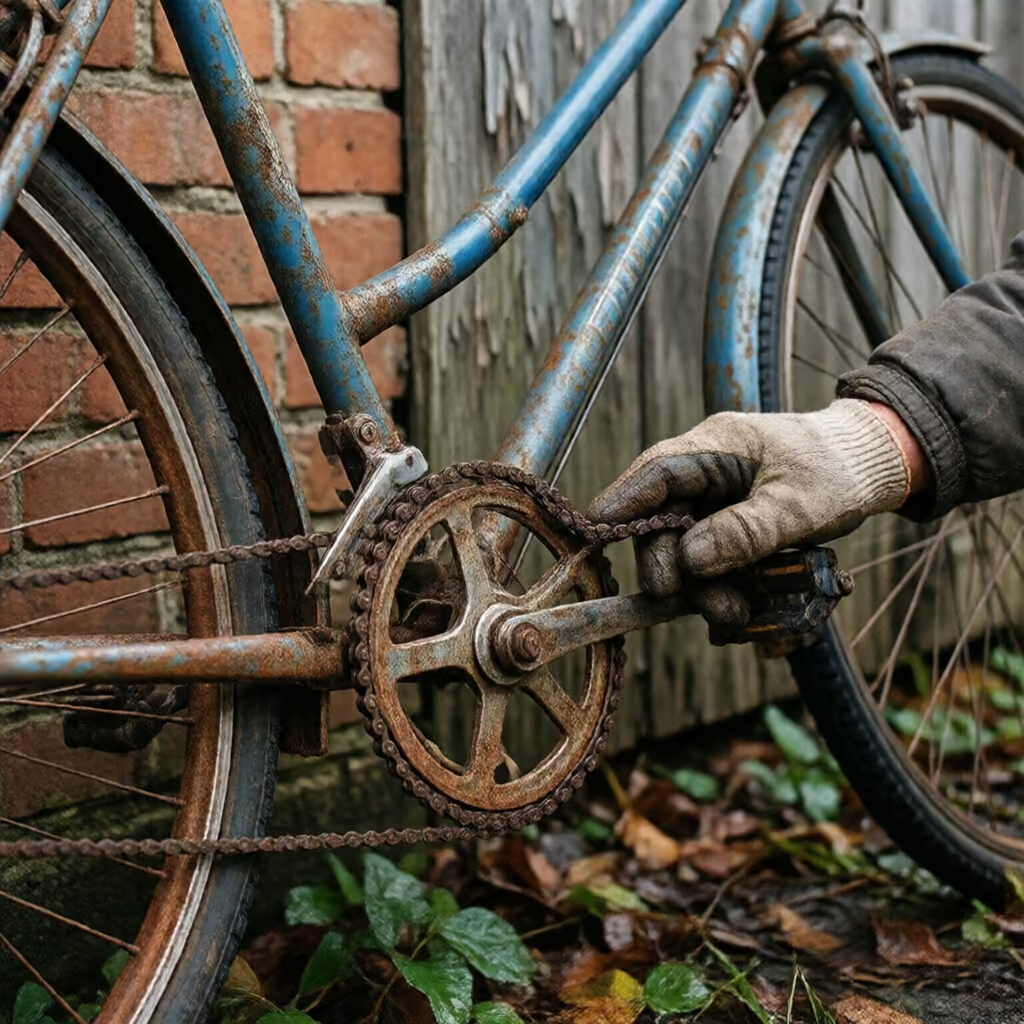
rostig
rusty
Affected by rust or covered in rust.
EXAMPLE
Das alte Fahrrad hat eine rostige Kette.
The old bicycle has a rusty chain.
rusty
rostig – rostiger – am rostigsten
Loading your saved state.
rusty
Affected by rust or covered in rust.
Das alte Fahrrad hat eine rostige Kette.
The old bicycle has a rusty chain.
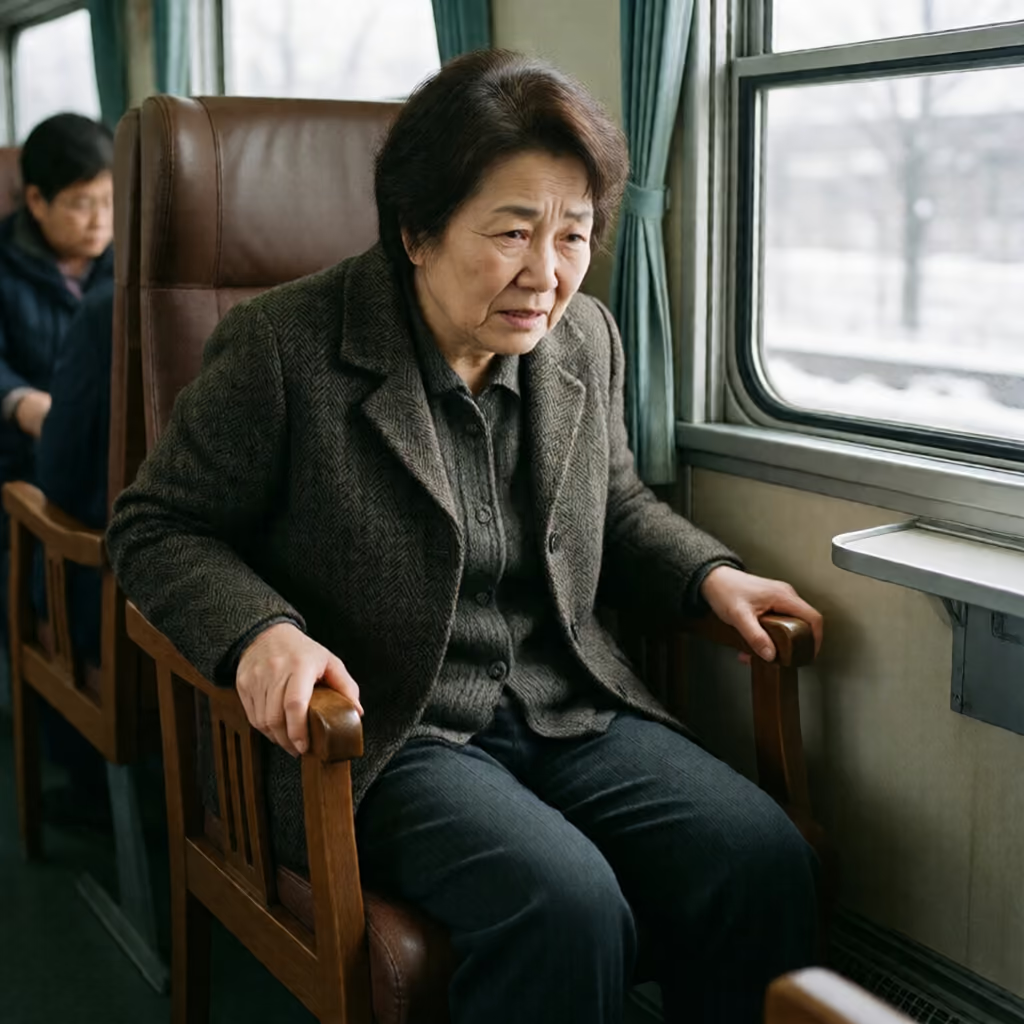
stiff
Figuratively: stiff and inflexible, especially referring to bones or joints, often due to age or prolonged inactivity.
Nach dem langen Winter fühlen sich meine Knochen ganz rostig an.
After the long winter, my bones feel really stiff.

raspy
Having a rough and hoarse sound, especially referring to a voice.
Mit rostiger Stimme sang der alte Mann ein Lied.
The old man sang a song in a raspy voice.
| basic form | rostig |
|---|---|
| comparative | rostiger |
| superlative | am rostigsten |
| masc. | fem. | neut. | plural | |
|---|---|---|---|---|
| nom. | -e | -e | -e | -en |
| acc. | -en | -e | -e | -en |
| dat. | -en | -en | -en | -en |
| gen. | -en | -en | -en | -en |
Add the ending to rostig.
| masc. | fem. | neut. | plural | |
|---|---|---|---|---|
| nom. | -er | -e | -es | -en |
| acc. | -en | -e | -es | -en |
| dat. | -en | -en | -en | -en |
| gen. | -en | -en | -en | -en |
Add the ending to rostig.
| masc. | fem. | neut. | plural | |
|---|---|---|---|---|
| nom. | -er | -e | -es | -e |
| acc. | -en | -e | -es | -e |
| dat. | -em | -er | -em | -en |
| gen. | -en | -er | -en | -er |
Add the ending to rostig.
'Rostig' is made up of the noun 'Rost' (rust) and the ending '-ig'. The ending forms an adjective that expresses a quality or a connection with rust.
Der rostige Schlüssel ließ sich kaum drehen.
The rusty key could barely be turned.
In its literal meaning, 'rostig' is often used with metal objects, especially parts that have been exposed to moisture. Typical collocations include 'rostige Schrauben' (rusty screws), 'rostiges Werkzeug' (rusty tools), and 'rostiges Metall' (rusty metal).
Die Mechanikerin musste mehrere rostige Schrauben ersetzen.
The mechanic had to replace several rusty screws.
When 'rostig' refers to bones, joints, or limbs, it has a figurative meaning: it refers to stiffness, not rust. For skills or language abilities that you have not practiced for a long time, however, German usually uses 'eingerostet' (rusty).
Mit seinen rostigen Gliedern stieg der alte Mann mühsam die Treppe hinauf.
With his stiff limbs, the old man laboriously climbed the stairs.
For the meaning of a rough or hoarse voice, expressions such as 'mit rostiger Stimme sprechen' (to speak in a raspy voice) and 'rostig klingen' (to sound raspy) are especially common. The adjective describes the sound of the voice.
Nach dem Konzert klang ihre Stimme rau und rostig.
After the concert, her voice sounded rough and raspy.