

rücken
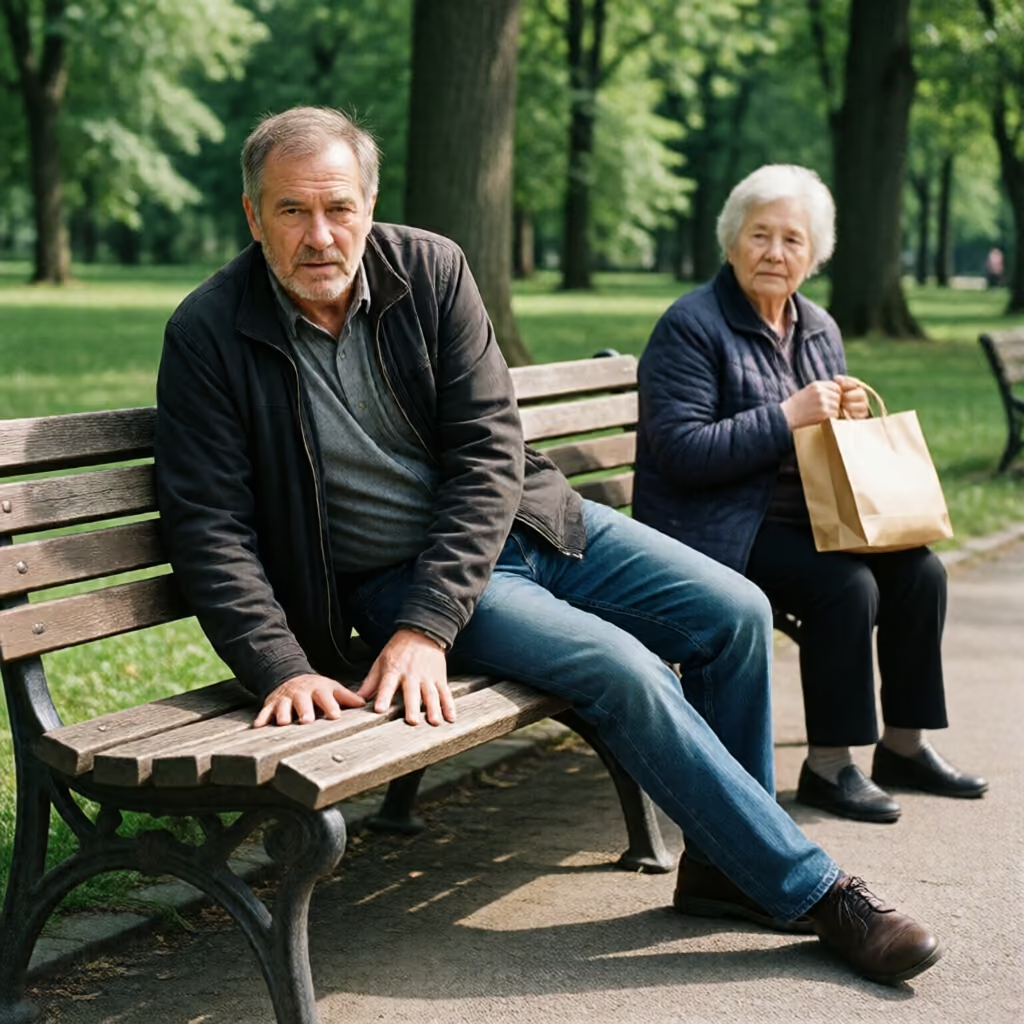
to shift
To move slowly or slide from one position to another.
EXAMPLE
Rück bitte ein Stück zur Seite.
Please shift over a little.
to shift / move
rücken – rückte – hat gerückt
Loading your saved state.
to shift
To move slowly or slide from one position to another.
Rück bitte ein Stück zur Seite.
Please shift over a little.

to move
To move something to another position by pushing or nudging it.
Sie rückte den Tisch näher ans Fenster.
She moved the table closer to the window.
to draw closer
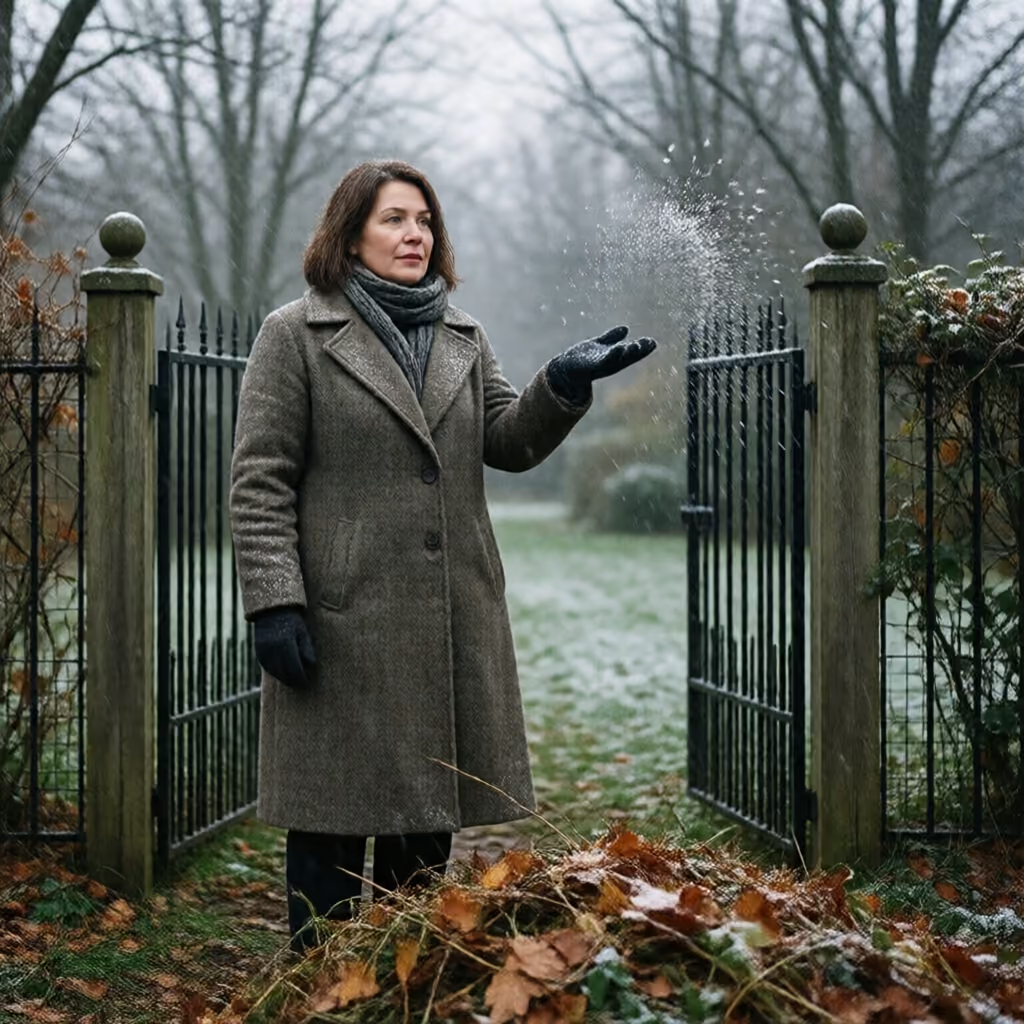
To approach a person or thing, often slowly and gradually.
Der Winter rückt immer näher.
Winter is drawing ever closer.
to gain prominence
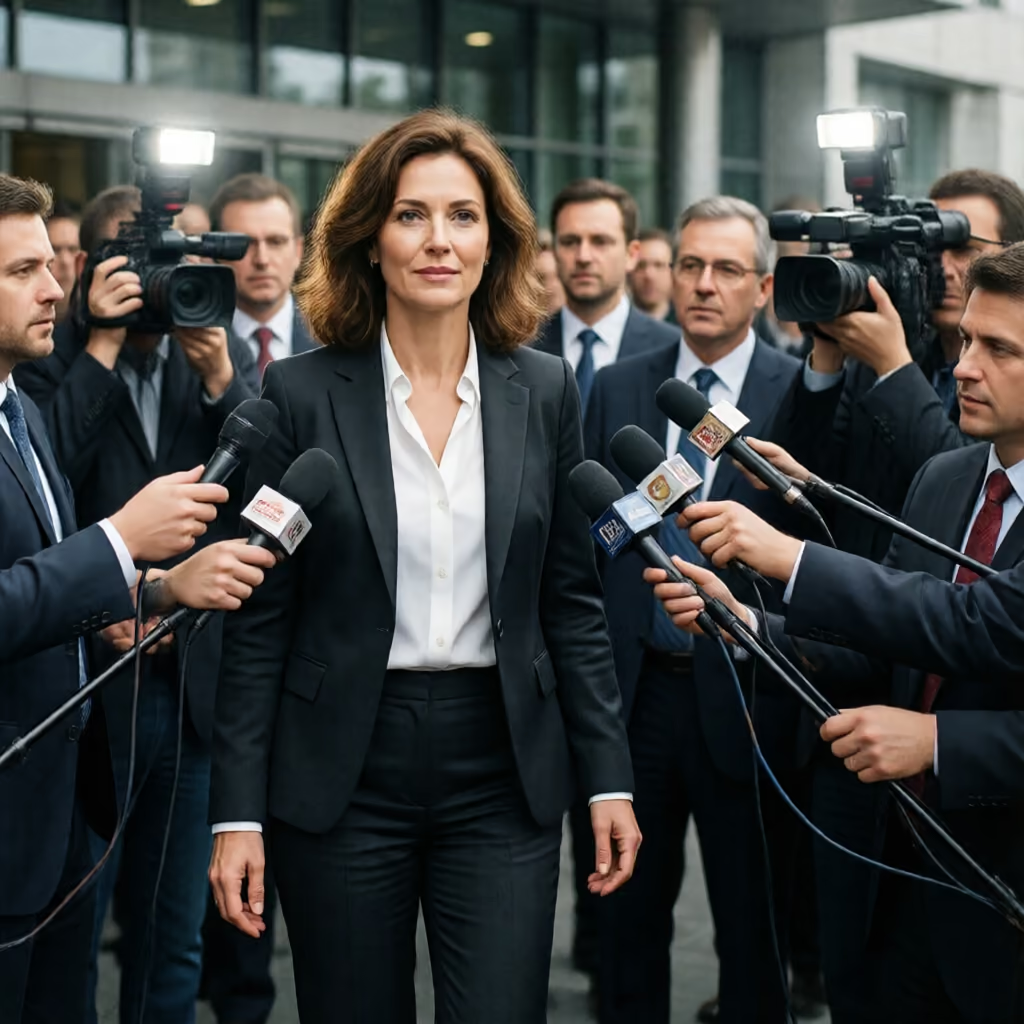
To become more important or receive more attention than before.
Durch den Skandal rückte das Thema in den Vordergrund.
The issue gained prominence because of the scandal.

to present favorably
To present someone or something in a way that highlights their positive qualities.
Der Artikel rückte die Leistungen der Helfer ins rechte Licht.
The article presented the volunteers' achievements favorably.
to pester
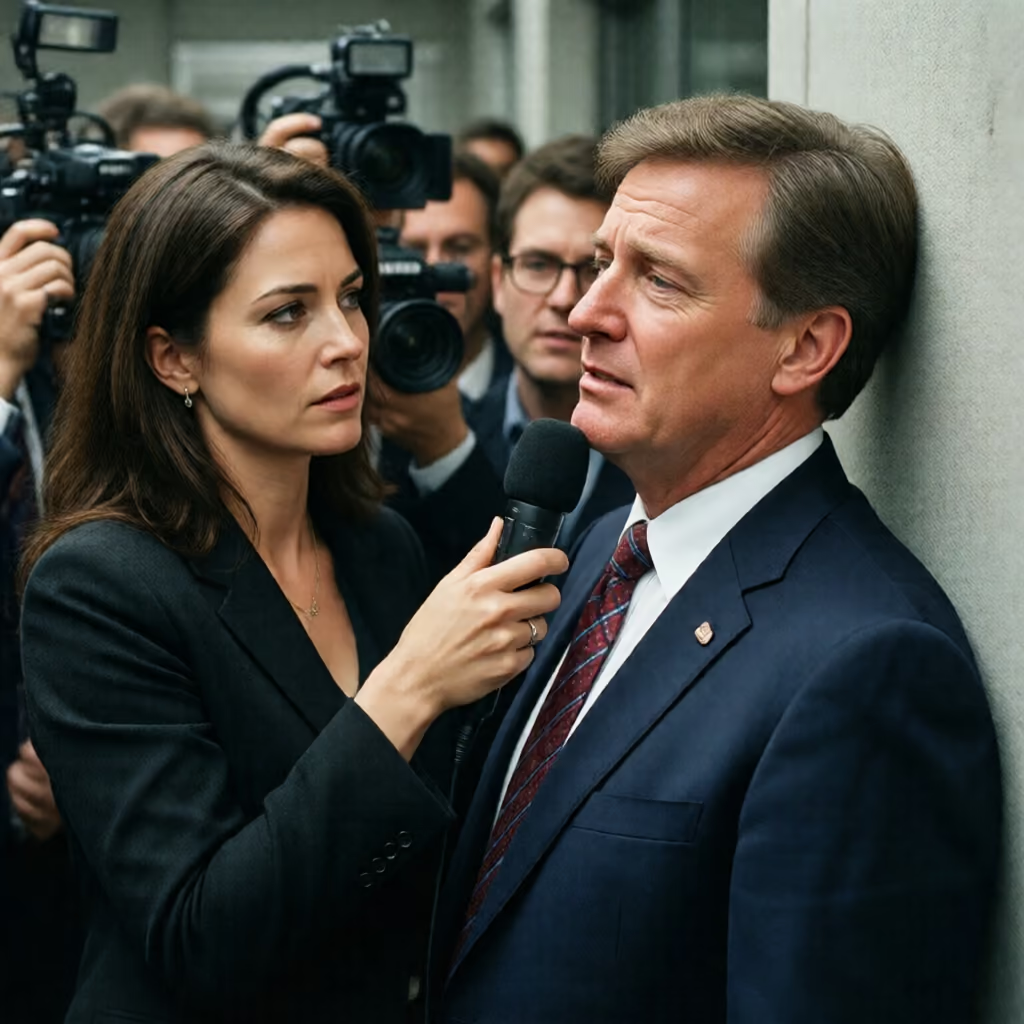
To get very close to someone or put pressure on them through persistent behavior.
Der Reporter rückte dem Politiker so lange auf die Pelle, bis dieser antwortete.
The reporter pestered the politician until he answered.
| ich | rücke |
|---|---|
| du | rückst |
| er/sie/es | rückt |
| wir | rücken |
| ihr | rückt |
| sie | rücken |
| ich | rückte |
|---|---|
| du | rücktest |
| er/sie/es | rückte |
| wir | rückten |
| ihr | rücktet |
| sie | rückten |
| ich | habe gerückt bin gerückt |
|---|---|
| du | hast gerückt bist gerückt |
| er/sie/es | hat gerückt ist gerückt |
| wir | haben gerückt sind gerückt |
| ihr | habt gerückt seid gerückt |
| sie | haben gerückt sind gerückt |
| du | rücke! rück! |
|---|---|
| ihr | rückt! |
| Sie | rücken Sie! |
| ich | hatte gerückt war gerückt |
|---|---|
| du | hattest gerückt warst gerückt |
| er/sie/es | hatte gerückt war gerückt |
| wir | hatten gerückt waren gerückt |
| ihr | hattet gerückt wart gerückt |
| sie | hatten gerückt waren gerückt |
| ich | werde rücken |
|---|---|
| du | wirst rücken |
| er/sie/es | wird rücken |
| wir | werden rücken |
| ihr | werdet rücken |
| sie | werden rücken |
| ich | rücke |
|---|---|
| du | rückest |
| er/sie/es | rücke |
| wir | rücken |
| ihr | rücket |
| sie | rücken |
Used for reported speech.
| ich | rückte |
|---|---|
| du | rücktest |
| er/sie/es | rückte |
| wir | rückten |
| ihr | rücktet |
| sie | rückten |
Used for wishes and “would”.
| infinitive | rücken |
|---|---|
| with zu | zu rücken |
| present participle | rückend |
| past participle | gerückt |
When 'rücken' (to shift) is used without an object, it often appears with expressions such as 'ein Stück' (a little), 'zur Seite' (to the side), or 'nach hinten' (backward). The person usually moves slowly or slides along.
Er rückte mit seinem Stuhl ein Stück nach hinten.
He shifted back a little in his chair.
With a physical object as its object, the destination is often expressed using 'an' (to / against) or 'in' (into) plus the accusative. Typical objects include furniture such as chairs, tables, or wardrobes.
Kannst du mir helfen, den Schrank in die Ecke zu rücken?
Can you help me move the wardrobe into the corner?
To express a gradual approach, 'rücken' (to draw closer) often appears with 'näher' (closer) and 'immer' (ever) or 'allmählich' (gradually). Common subjects include dates, events, seasons, or dangers.
Mit jedem Tag rückte die Eröffnung des neuen Museums näher.
With each passing day, the opening of the new museum drew closer.
'In den Vordergrund rücken' (to gain prominence) is a fixed expression used particularly often with topics, problems, questions, or people. The subject is whatever receives increased attention.
Nach dem Unwetter rückten die Folgen des Klimawandels in den Vordergrund.
After the severe storm, the consequences of climate change gained prominence.
The expression 'jemanden oder etwas ins rechte Licht rücken' (to present someone or something favorably) takes an accusative object: the person or thing whose positive qualities are to be highlighted. 'Ins rechte Licht' (in a favorable light) remains unchanged.
Die Ausstellung rückte die Arbeit der Wissenschaftlerin ins rechte Licht.
The exhibition presented the scientist's work favorably.
'Jemandem auf die Pelle rücken' (to pester someone / to get in someone's space) is a colloquial fixed expression. The person being pestered is in the dative, and 'auf die Pelle' remains unchanged as part of the expression.
Die Fans rückten dem Schauspieler auf die Pelle, bis er das Gebäude verließ.
The fans pestered the actor until he left the building.