

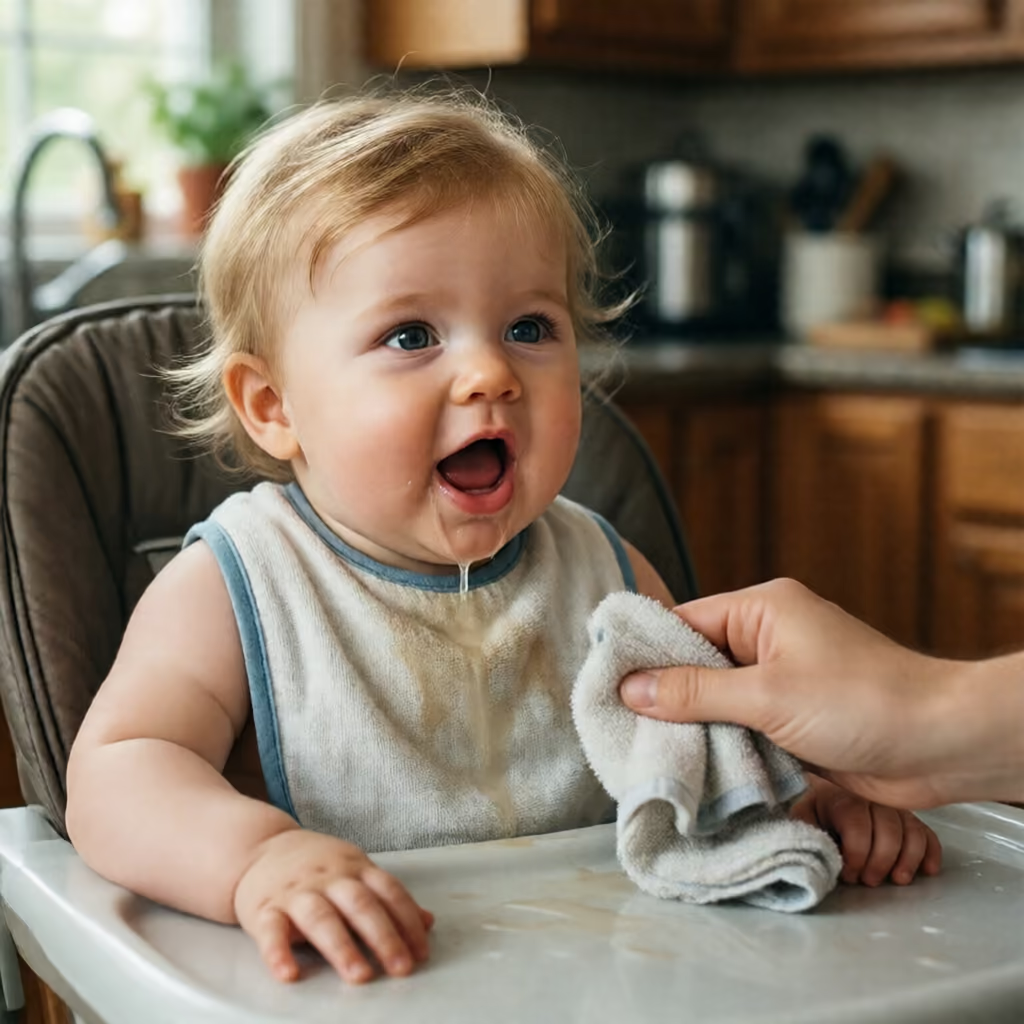
sabbern
to slobber
To let saliva flow uncontrollably from the mouth. This word is colloquial.
EXAMPLE
Das Baby sabbert so stark, dass sein Lätzchen ganz nass ist.
The baby is slobbering so much that its bib is completely wet.
to slobber
sabbern – sabberte – hat gesabbert
Loading your saved state.
to slobber
To let saliva flow uncontrollably from the mouth. This word is colloquial.
Das Baby sabbert so stark, dass sein Lätzchen ganz nass ist.
The baby is slobbering so much that its bib is completely wet.
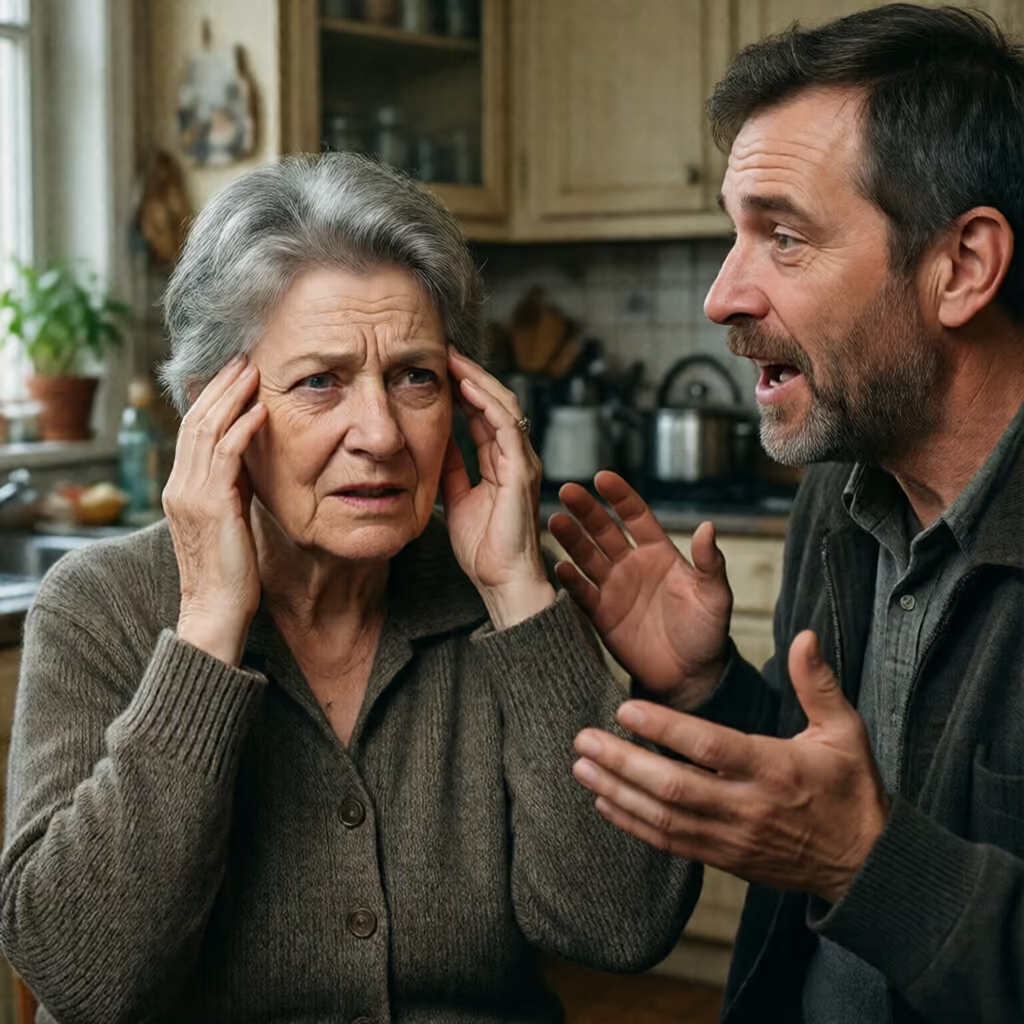
to babble
To talk silly or nonsensical rubbish. This usage is colloquial and derogatory.
Sabber nicht solchen Unsinn!
Don’t babble such nonsense!
| ich | sabbere sabbre |
|---|---|
| du | sabberst |
| er/sie/es | sabbert |
| wir | sabbern |
| ihr | sabbert |
| sie | sabbern |
| ich | sabberte |
|---|---|
| du | sabbertest |
| er/sie/es | sabberte |
| wir | sabberten |
| ihr | sabbertet |
| sie | sabberten |
| ich | habe gesabbert |
|---|---|
| du | hast gesabbert |
| er/sie/es | hat gesabbert |
| wir | haben gesabbert |
| ihr | habt gesabbert |
| sie | haben gesabbert |
| du | sabber! sabbere!, sabbre! |
|---|---|
| ihr | sabbert! |
| Sie | sabbern Sie! |
| ich | hatte gesabbert |
|---|---|
| du | hattest gesabbert |
| er/sie/es | hatte gesabbert |
| wir | hatten gesabbert |
| ihr | hattet gesabbert |
| sie | hatten gesabbert |
| ich | werde sabbern |
|---|---|
| du | wirst sabbern |
| er/sie/es | wird sabbern |
| wir | werden sabbern |
| ihr | werdet sabbern |
| sie | werden sabbern |
| ich | sabbere sabbre |
|---|---|
| du | sabberst |
| er/sie/es | sabbere sabbre |
| wir | sabbern |
| ihr | sabbert |
| sie | sabbern |
Used for reported speech.
| ich | sabberte |
|---|---|
| du | sabbertest |
| er/sie/es | sabberte |
| wir | sabberten |
| ihr | sabbertet |
| sie | sabberten |
Used for wishes and “would”.
| infinitive | sabbern |
|---|---|
| with zu | zu sabbern |
| present participle | sabbernd |
| past participle | gesabbert |
In its physical meaning, „sabbern“ (to slobber) is often used with expressions describing the extent or situation, such as „stark sabbern“ (to slobber heavily) or „beim Schlafen sabbern“ (to slobber while sleeping). Babies, children, or animals are often the subject.
Der Hund sabbert beim Warten auf sein Futter stark.
The dog slobbers heavily while waiting for its food.
In this meaning, „sabbern“ (to slobber) is usually used without an accusative object: the person or animal slobbers itself. An expression of place or time often completes the sentence.
Der kleine Junge sabbert beim Zahnen ständig.
The little boy slobbers constantly while teething.
In its figurative meaning, „sabbern“ (to babble) is often used with expressions for meaningless talk, such as „Unsinn“ (nonsense) or „dummes Zeug“ (stupid rubbish). It especially often appears as a direct command in the imperative.
Hör auf zu sabbern und erklär mir lieber, was passiert ist.
Stop babbling and tell me what happened instead.