

sammeln
to collect
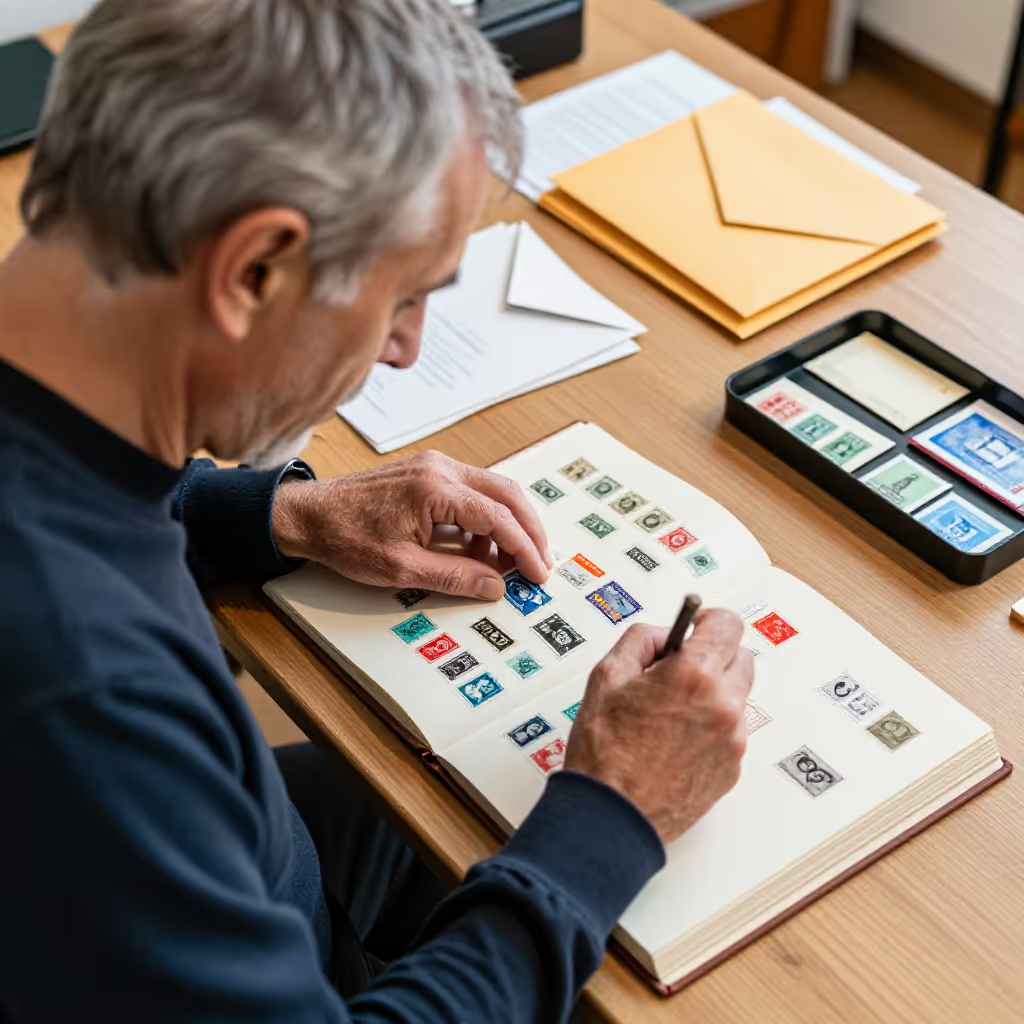
To deliberately gather things of a particular kind, often as a hobby or for a collection.
EXAMPLE
Mein Bruder sammelt seit seiner Kindheit Briefmarken.
My brother has been collecting stamps since his childhood.
to collect / gather
Loading your saved state.
to collect
To deliberately gather things of a particular kind, often as a hobby or for a collection.
Mein Bruder sammelt seit seiner Kindheit Briefmarken.
My brother has been collecting stamps since his childhood.

to gather
To bring together or accumulate different things or people in one place. This can also apply to abstract things such as information or experiences.
Wir sammeln im Herbst die Äpfel von den Bäumen im Garten.
In the fall, we gather the apples from the trees in the garden.

to collect oneself
To organize one's thoughts and concentrate, often before an important task or after a moment of agitation.
Gib mir einen Moment, ich muss mich kurz sammeln, bevor ich antworte.
Give me a moment; I need to collect myself briefly before I answer.
to collect
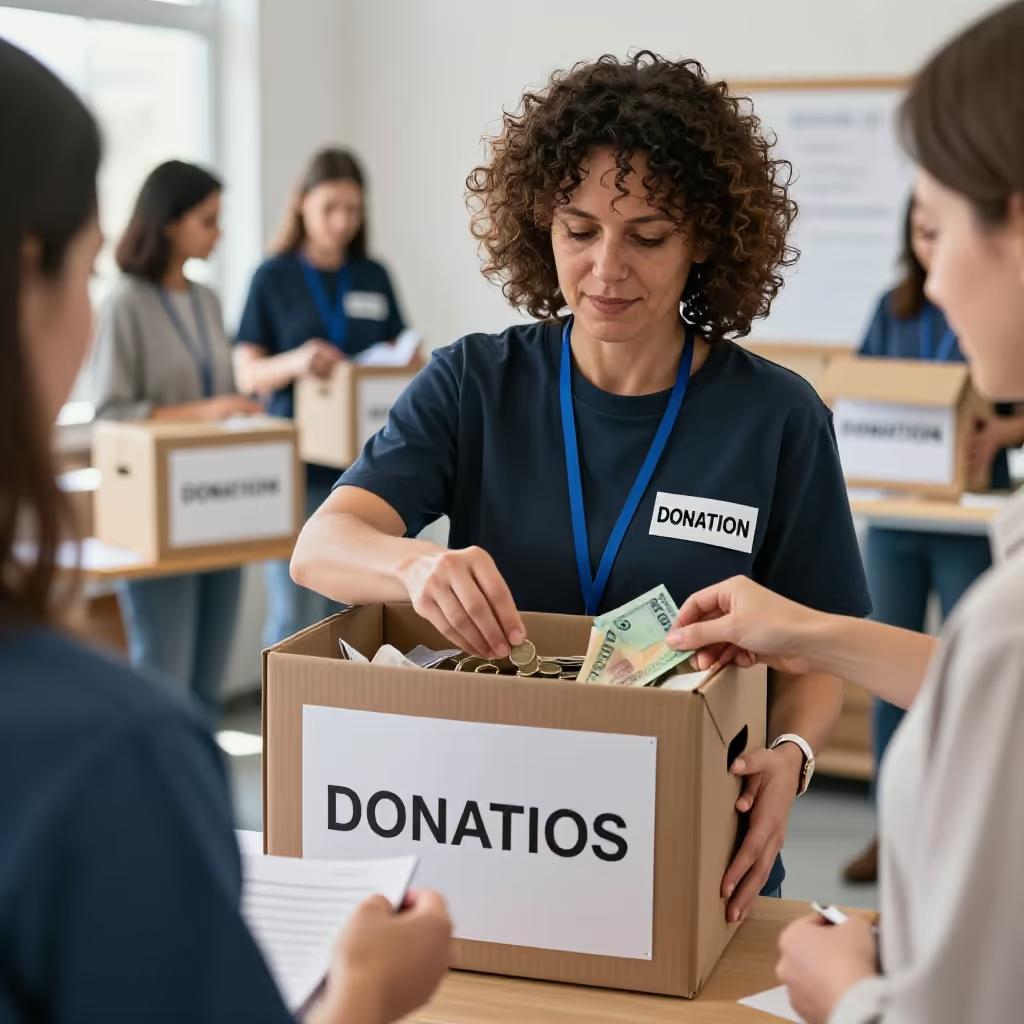
To collect monetary donations for a charitable cause or a specific project.
Die Schule sammelt Geld für die Opfer der Flutkatastrophe.
The school is collecting money for the victims of the flood disaster.
The verb 'sammeln' (to collect / gather) belongs to a word family. 'Die Sammlung' (collection) is the result of collecting, and 'der Sammler' or 'die Sammlerin' (collector) is the person who collects.
Er zeigte uns stolz seine wertvolle Kunstsammlung.
He proudly showed us his valuable art collection.
In the meaning 'sich konzentrieren' (to concentrate), 'sammeln' is always used reflexively: 'sich sammeln' (to collect oneself). The reflexive pronoun must be adapted to the subject.
Der Redner musste sich kurz sammeln, bevor er weitersprach.
The speaker had to collect himself briefly before continuing.
When 'sammeln' (to collect) describes a hobby, the objects are typically things from a particular category. Common examples are stamps, coins, postcards, or stickers.
Als Kind habe ich Servietten gesammelt.
As a child, I collected napkins.
You can collect not only physical objects, but also abstract things. Typical examples are 'Erfahrungen sammeln' (to gain experience), 'Informationen sammeln' (to gather information), or 'Kräfte sammeln' (to gather one's strength).
Nach dem Studium wollte sie erst einmal im Ausland Erfahrungen sammeln.
After university, she first wanted to gain experience abroad.
When money is collected for a specific purpose, you use the preposition 'für' followed by the accusative. This indicates the goal of the fundraising campaign.
Die Klasse sammelt für einen Ausflug in den Zoo.
The class is collecting for a trip to the zoo.
to raise / levy
Sammeln generally means bringing information together. Daten erheben typically refers to planned or official data collection carried out according to a particular method. Sammeln fits a loose search for material, while erheben is more appropriate for a methodical investigation.
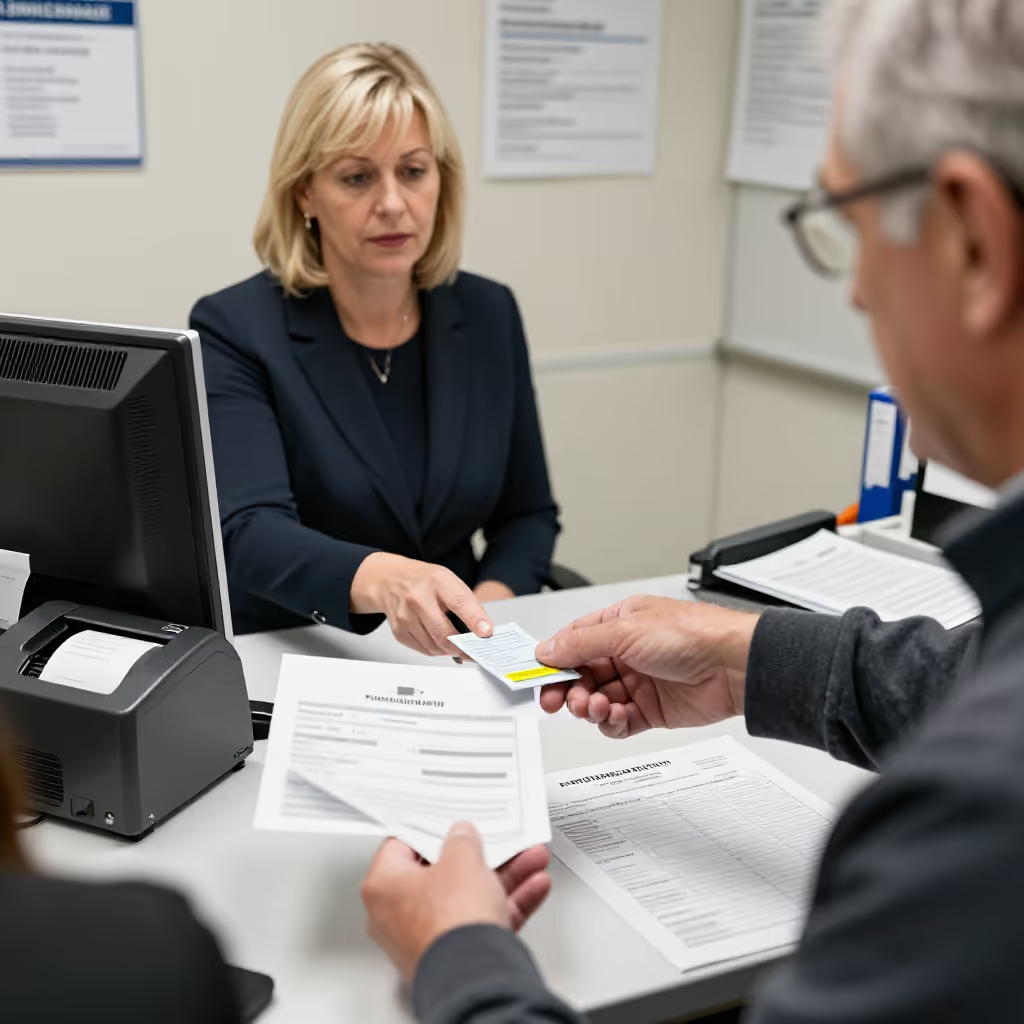
Für ihre erste Idee sammelt Mia Informationen aus Büchern und Zeitungen.
Mia is gathering information from books and newspapers for her initial idea.
Für ihre Untersuchung erhebt Mia Daten mit einem festen Fragebogen.
Mia is collecting data using a standard questionnaire for her study.