

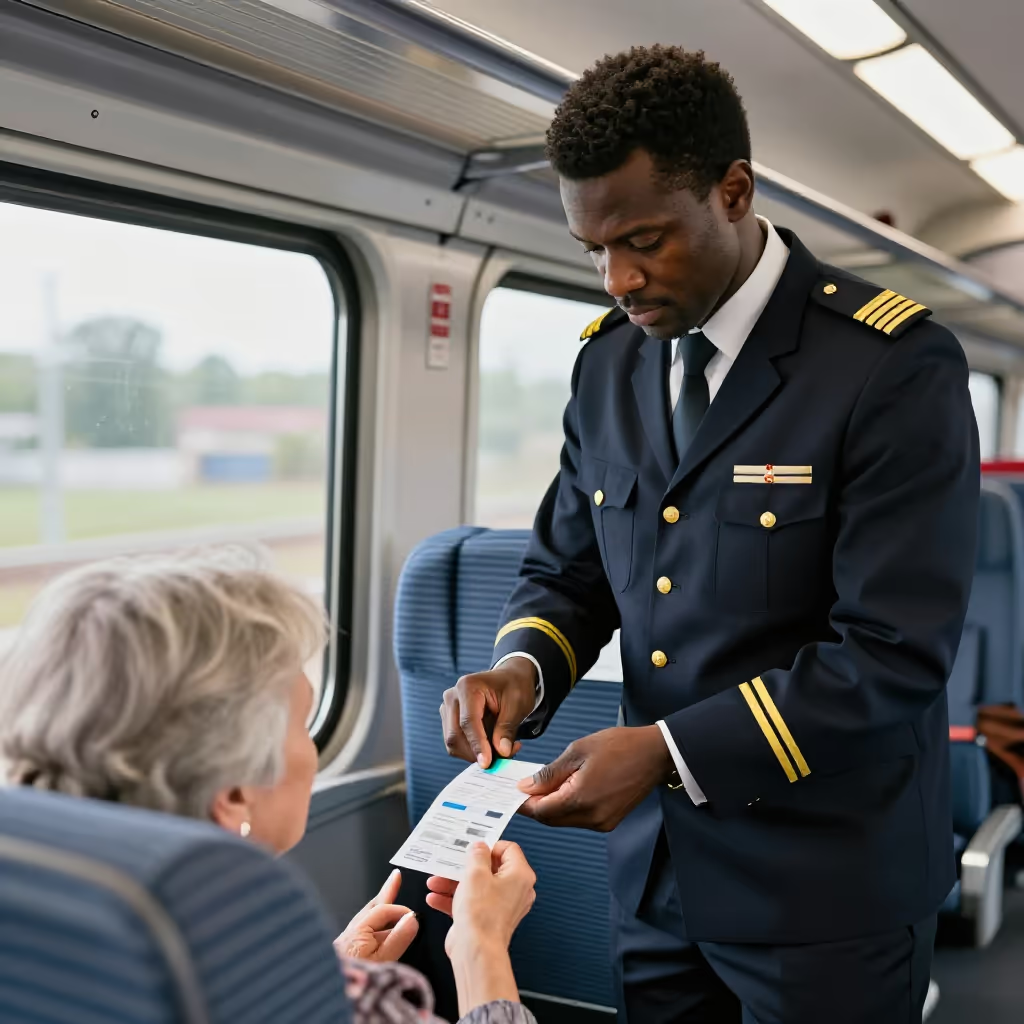
A person who checks and sells tickets on public transportation such as trains, trams, or buses.
example
Der Schaffner ging durch den Waggon und rief: „Die Fahrkarten, bitte!“
The conductor walked through the carriage and called out, “Tickets, please!”
Usage tips
Word structure
The word 'Schaffner' (conductor) is derived from the verb 'schaffen' (to create/manage), which here can be understood in the sense of 'Ordnung schaffen' (to create order) or 'etwas regeln' (to organize something). So the conductor is the person who maintains order on the train and takes care of ticket matters.
EXAMPLE
Früher hatte jeder Zug einen Schaffner, der für Ordnung sorgte.
In the past, every train had a conductor who maintained order.
Typical collocations
A 'Schaffner' (conductor) is typically found on public transportation. Common verbs in this context are 'Fahrkarten kontrollieren' (to check tickets) or 'Fahrkarten verkaufen' (to sell tickets).
EXAMPLE
Der Schaffner kontrolliert in diesem Abteil die Tickets.
The conductor is checking the tickets in this compartment.
Register and usage
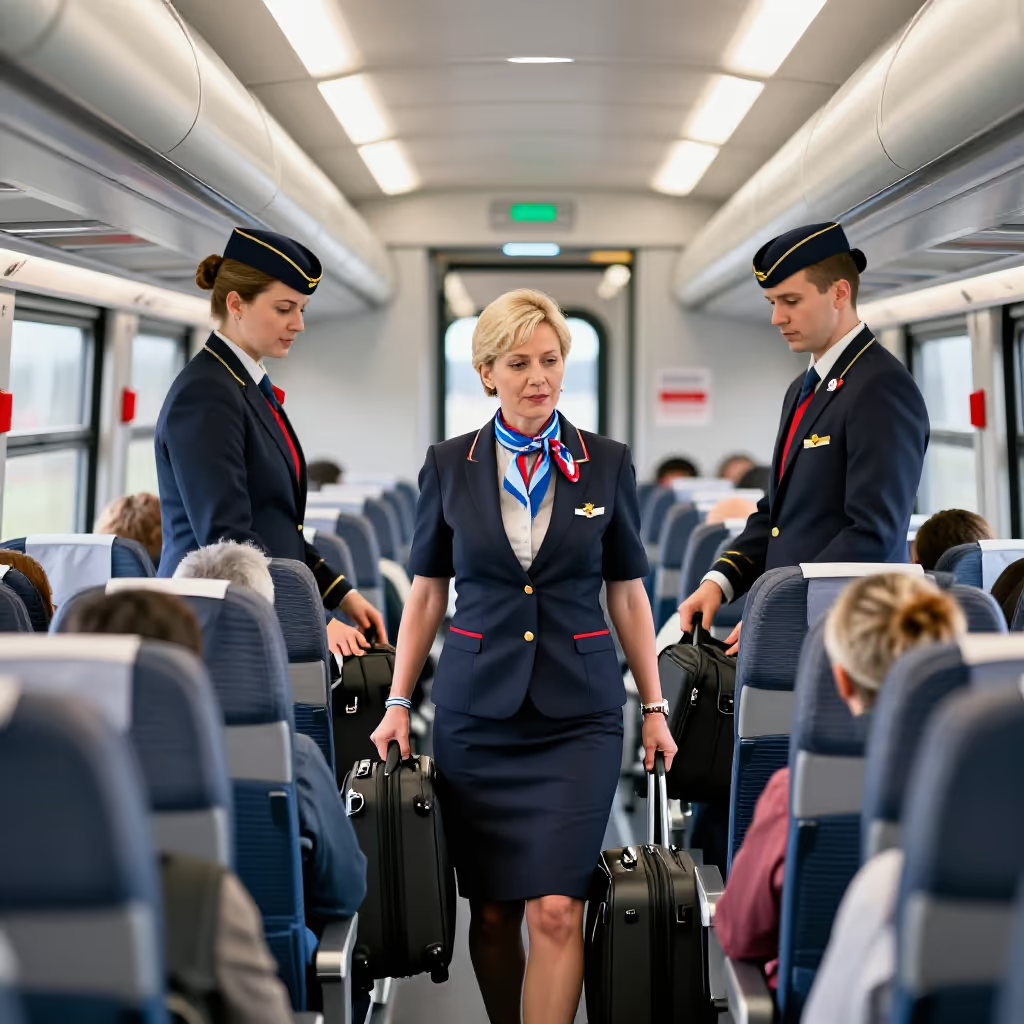
Today, the word 'Schaffner' (conductor) is used mainly in everyday language for staff on regional trains, buses, and trams. In many modern forms of transportation, this role no longer exists.
EXAMPLE
In der alten Straßenbahn gab es noch einen Schaffner, bei dem man die Fahrkarte kaufen konnte.
In the old tram, there was still a conductor from whom you could buy a ticket.
Compare with
confusable
Schaffner vs Lokführer
train driver
'Lokführer' and 'Schaffner' both have to do with trains and public transportation. That is why they are easy to confuse. The 'Lokführer' drives and operates the train. The 'Schaffner' works on a train or another means of transportation and checks or sells tickets. If it is about driving the train, 'Lokführer' is correct. If it is about tickets and passengers, 'Schaffner' fits.
Schaffner
Im Zug zeigte Maria dem Schaffner ihre Fahrkarte.
On the train, Maria showed the conductor her ticket.
Lokführer
Der Lokführer bremste den Zug langsam vor dem Bahnhof ab.
The train driver slowly braked the train before the station.