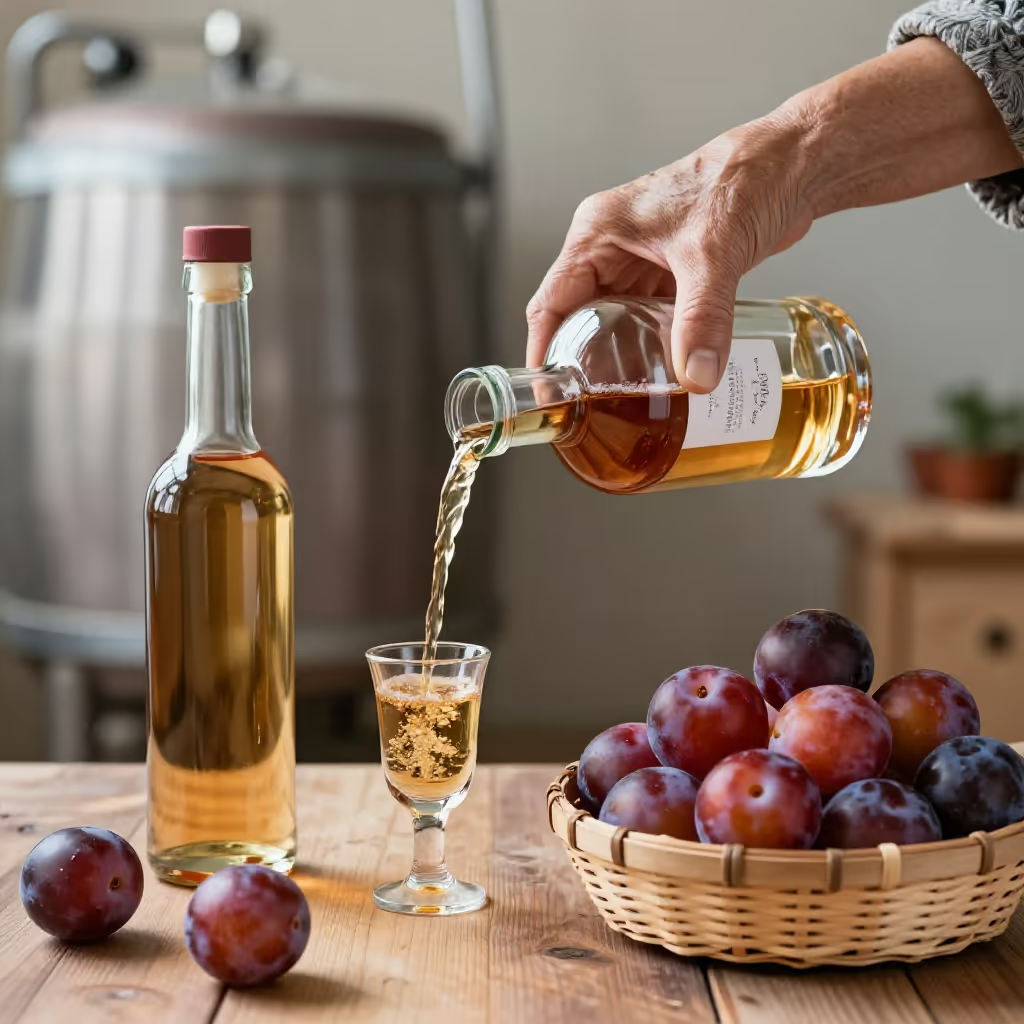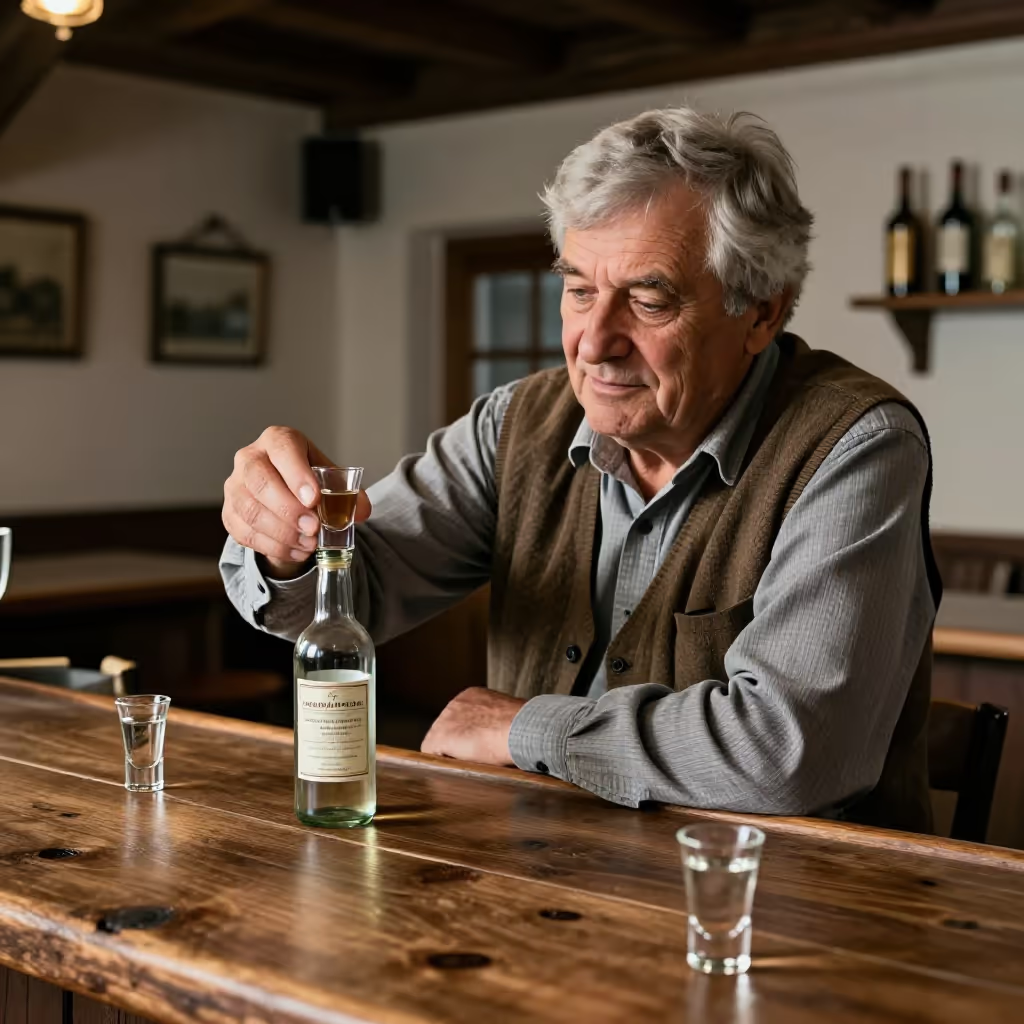
An alcoholic drink with a high alcohol content, often distilled from grain or fruit. It is typically drunk from small glasses.
example
Nach dem schweren Essen bot der Wirt einen Schnaps zur Verdauung an.
After the heavy meal, the innkeeper offered a schnapps to aid digestion.
Usage tips
Typical collocations
'Schnaps' (schnapps) is often combined with certain verbs. You can say 'einen Schnaps trinken' (to drink a schnapps), 'einen Schnaps brennen' (to distill/make schnapps), or 'jemandem einen Schnaps anbieten' (to offer someone a schnapps).
EXAMPLE
In dieser kleinen Destillerie wird seit über 100 Jahren Schnaps gebrannt.
Schnapps has been distilled in this small distillery for over 100 years.
Cultural context
In German-speaking countries, the 'Verdauungsschnaps' (digestive schnapps) is well known. This is a schnapps drunk after a heavy, fatty meal to help with digestion.
EXAMPLE
Nach dem Gänsebraten gab es für alle einen Verdauungsschnaps.
After the roast goose, everyone had a digestive schnapps.
Word composition
A 'Schnapsidee' (crazy idea) is made up of 'Schnaps' (schnapps) and 'Idee' (idea). The logic behind it is that the idea is so crazy it is as if one had had it under the influence of schnapps.
EXAMPLE
Ein Unternehmen ohne Plan zu gründen, war eine echte Schnapsidee.
Starting a company without a plan was a truly crazy idea.
Register and style
The expression 'Schnapsidee' (crazy idea) is very common, but it clearly belongs to colloquial language. In a formal or business context, one would be more likely to speak of an 'unsinnige Idee' (nonsensical idea) or a 'schlecht durchdachter Plan' (poorly thought-out plan).
EXAMPLE
Er lachte und meinte, mein Vorschlag sei eine totale Schnapsidee.
He laughed and said my suggestion was a total crazy idea.
Compare with
near_synonym · confusable
Schnaps vs Geist
spirit / mind
'der Geist' and 'der Schnaps' can both mean a strong alcoholic drink. In this context, 'Geist' is usually more specific: it often refers to a distilled spirit made from fruit, for example 'Himbeergeist' (raspberry spirit). 'Schnaps' is more general and much more common in everyday language. Learners may confuse the words because 'Geist' usually does not mean alcohol, but rather mind or a ghost. If you are simply talking about a small strong drink, 'Schnaps' sounds more natural.
Schnaps
Auf der Feier trank mein Onkel nur ein kleines Glas Schnaps.
At the party, my uncle drank only a small glass of schnapps.
Geist
Nach dem Essen bot der Gastgeber einen klaren Geist aus Birnen an.
After the meal, the host offered a clear pear spirit.