

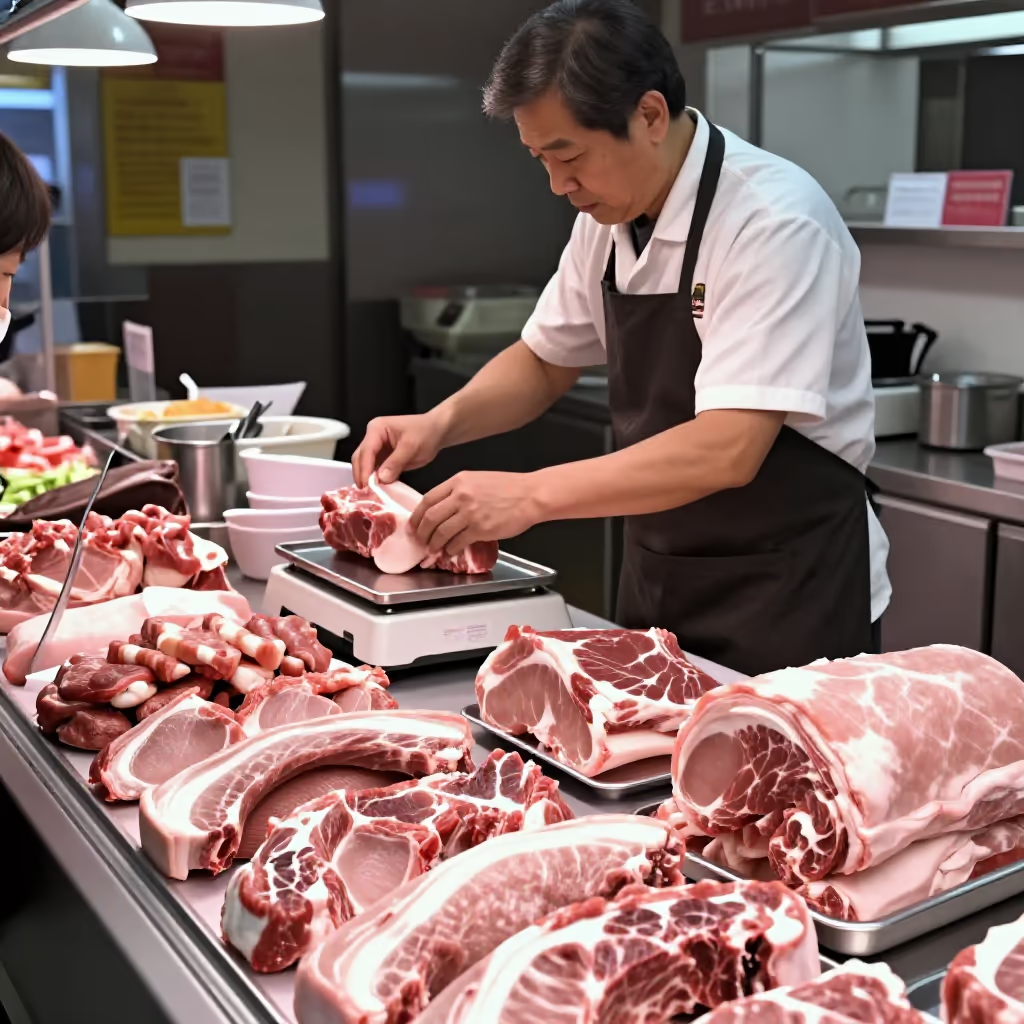
das Schweinefleisch
pork
The meat of domestic pigs, used as food.
EXAMPLE
Am Sonntag gibt es traditionell einen Braten aus Schweinefleisch.
On Sundays, there is traditionally a roast made from pork.
pork
Loading your saved state.
pork
The meat of domestic pigs, used as food.
Am Sonntag gibt es traditionell einen Braten aus Schweinefleisch.
On Sundays, there is traditionally a roast made from pork.
The word is built very logically. It consists of 'Schwein' (pig) and 'Fleisch' (meat). So it literally means 'meat from a pig.'
Ich kaufe das Schweinefleisch immer direkt beim Metzger.
I always buy the pork directly from the butcher.
The pattern '[animal] + fleisch' is used in German for many kinds of meat. If you know this pattern, you can also easily understand other words like 'Rindfleisch' (beef; from cattle) or 'Hühnerfleisch' (chicken meat; from chicken).
Für dieses Rezept brauchen Sie mageres Rindfleisch.
For this recipe, you need lean beef.
'Schweinefleisch' (pork) is often combined with verbs of preparation. Typical examples are 'Schweinefleisch braten' (to fry/roast pork), 'grillen' (to grill), or 'kochen' (to cook/boil).
Im Sommer grillen wir gerne mariniertes Schweinefleisch.
In summer, we like to grill marinated pork.
pig
When talking about food, Schwein can be a short, context-dependent term for the meat of the animal. Schweinefleisch is the neutral and unambiguous term. When speaking about one's diet in general, either word can be used; for a precise statement, Schweinefleisch is more appropriate.
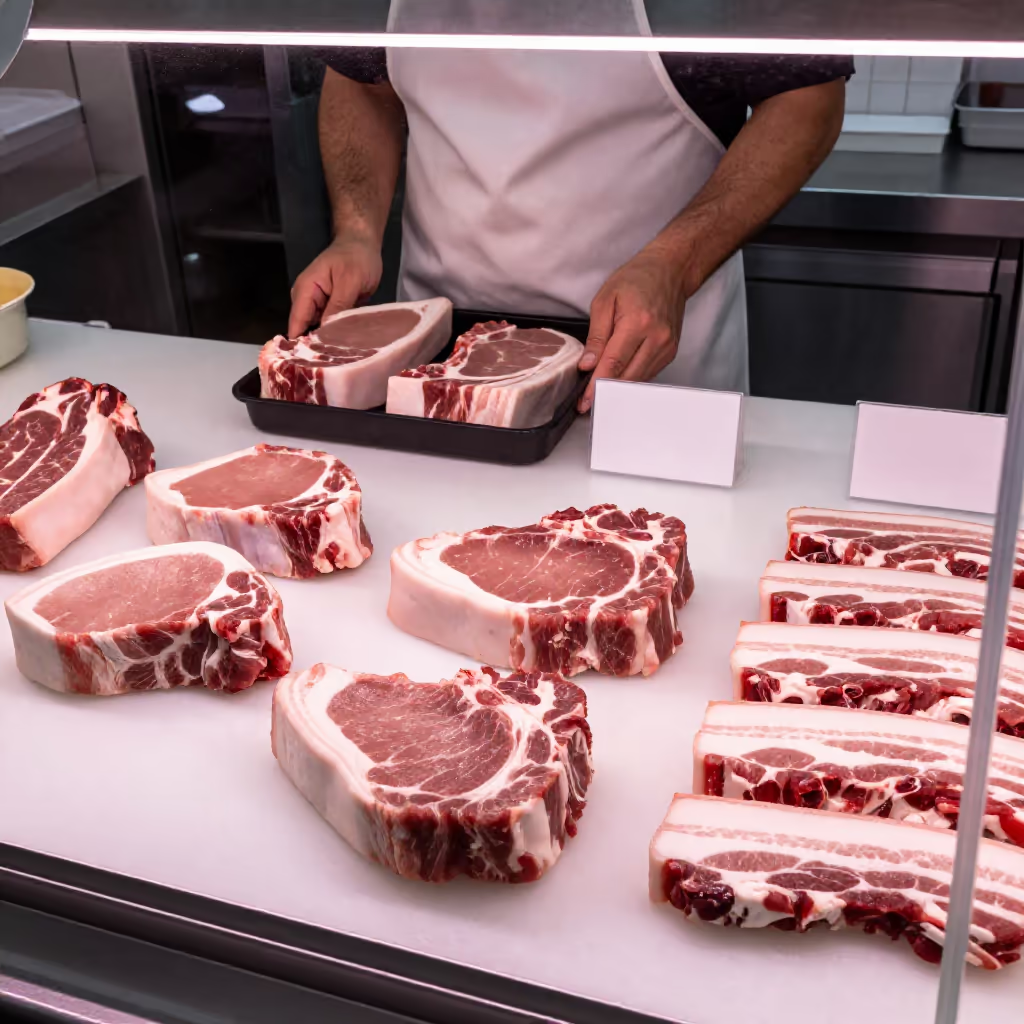
Ich esse kein Schweinefleisch.
I don't eat pork.
Ich esse kein Schwein.
I don't eat pork.