

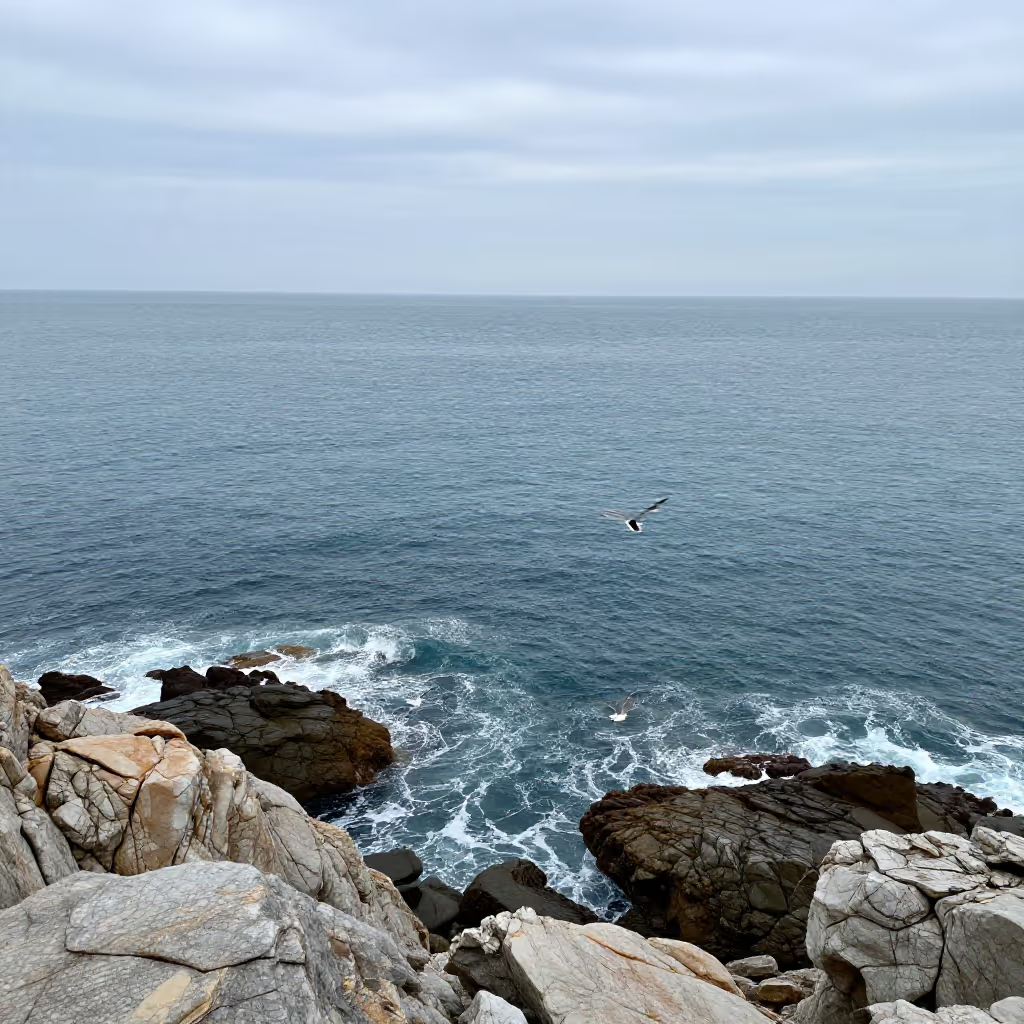
die See
sea
The sea; the large, continuous body of water that surrounds the continents.
EXAMPLE
Im Urlaub fahren wir jedes Jahr an die See.
On vacation, we go to the sea every year.
sea
Loading your saved state.
sea
The sea; the large, continuous body of water that surrounds the continents.
Im Urlaub fahren wir jedes Jahr an die See.
On vacation, we go to the sea every year.
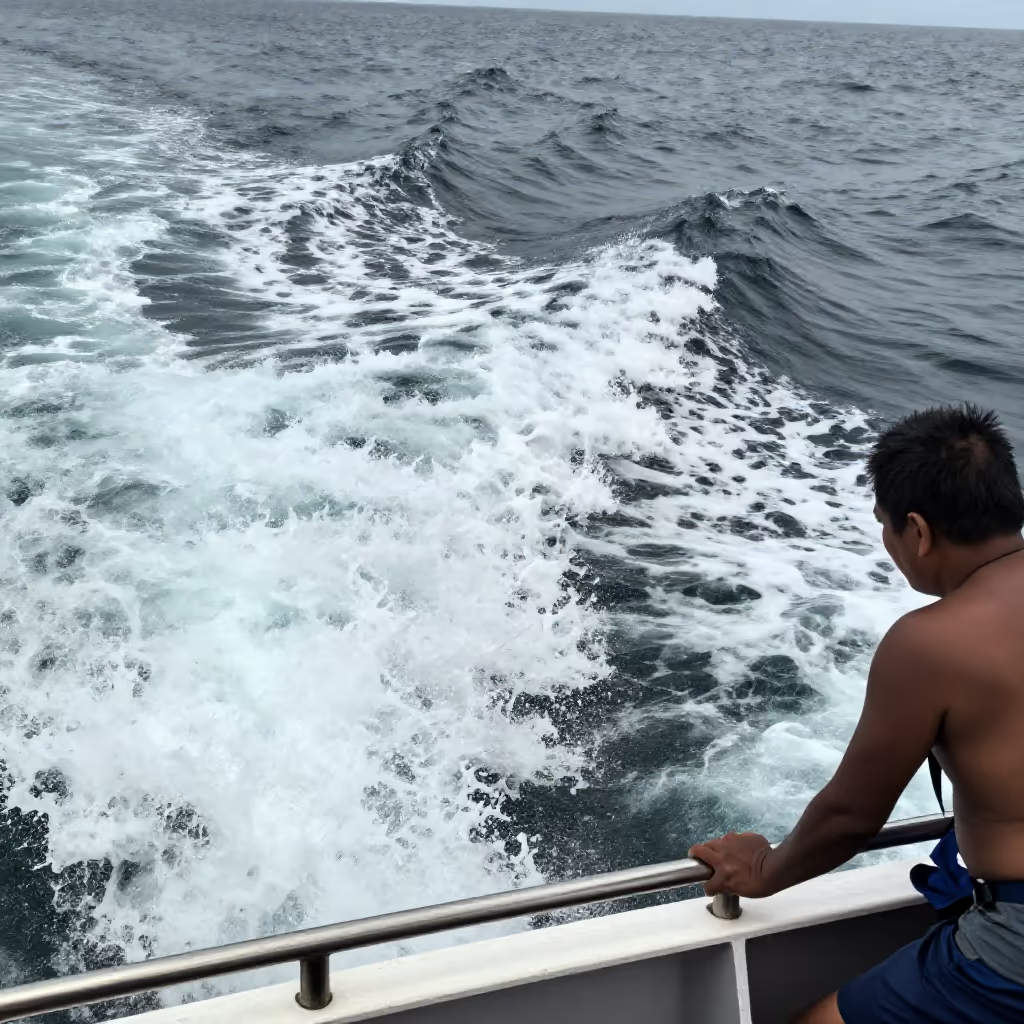
sea conditions
The state of the sea in terms of wave movement; sea conditions.
Bei rauer See wurde vielen Passagieren schlecht.
In rough seas, many passengers felt sick.
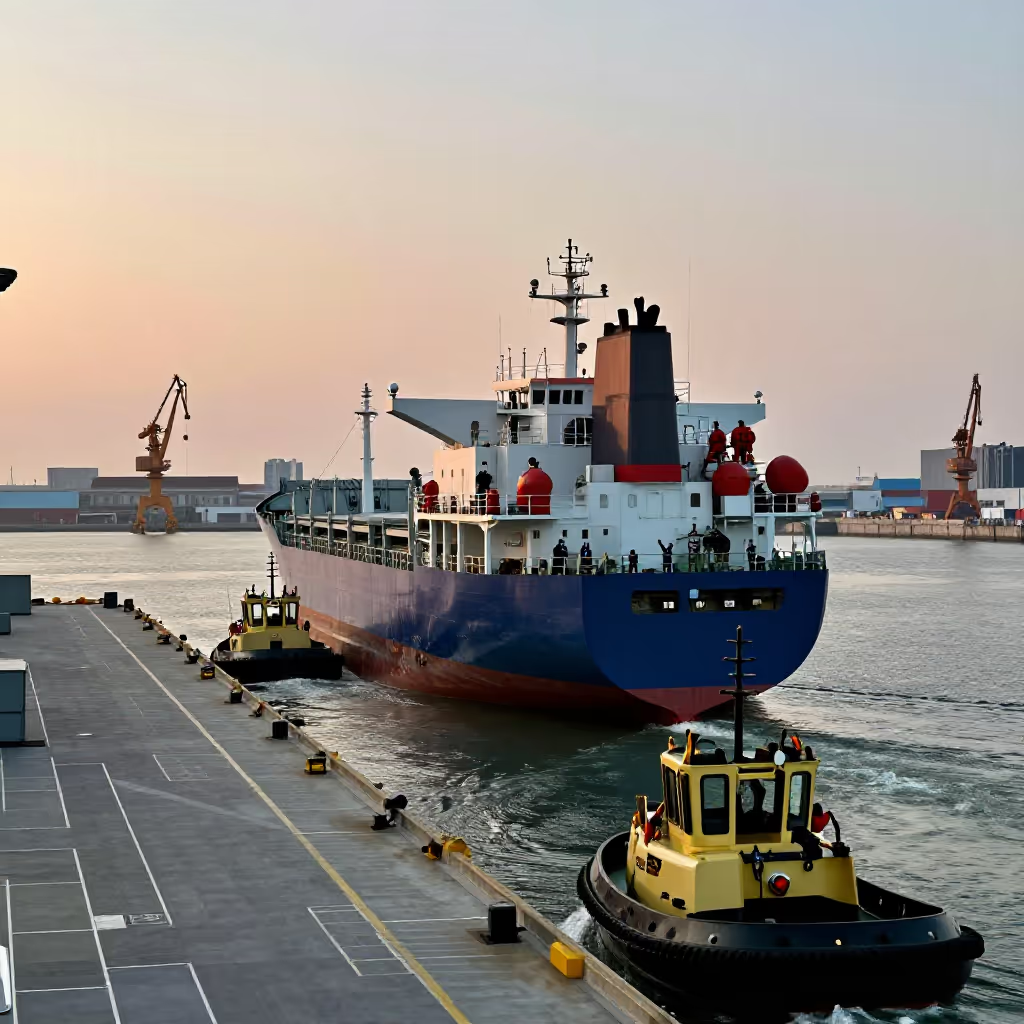
to put to sea
To leave the harbor with a ship and head out onto the open sea.
Der große Frachter wird morgen früh in See stechen.
The large freighter will put to sea early tomorrow morning.
The gender (the article) changes the meaning completely. 'Die See' (feminine) is the sea or ocean. 'Der See' (masculine) is an inland body of water, meaning a lake like Lake Constance.
Wir machen Urlaub an der Nordsee.
We're going on vacation to the North Sea.
Pay attention to the case with prepositions. When you describe movement toward the sea, you say 'an die See fahren' (accusative). When you are located by the sea, it is 'an der See sein' (dative).
Nächstes Jahr fahren wir wieder an die See.
Next year we're going to the sea again.
In the meaning 'Seegang' (sea conditions), 'See' is often combined with adjectives that describe the state of the water. Typical phrases are 'raue See' (rough seas), 'ruhige See' (calm seas), or 'bewegte See' (choppy seas).
Die Fähre konnte wegen der rauen See nicht ablegen.
The ferry could not depart because of the rough seas.
'In See stechen' is a fixed idiom and means that a ship leaves the harbor and begins its journey at sea. The verb is 'stechen'.
Das Kreuzfahrtschiff sticht heute Abend in See.
The cruise ship puts to sea this evening.
sea
The German nouns Meer and See both refer to a large body of salt water. Meer is the general term, while See is used especially in maritime expressions and when describing wave conditions. In neutral statements, Meer is usually the better choice; in fixed expressions or when talking about sea conditions, See is often used.
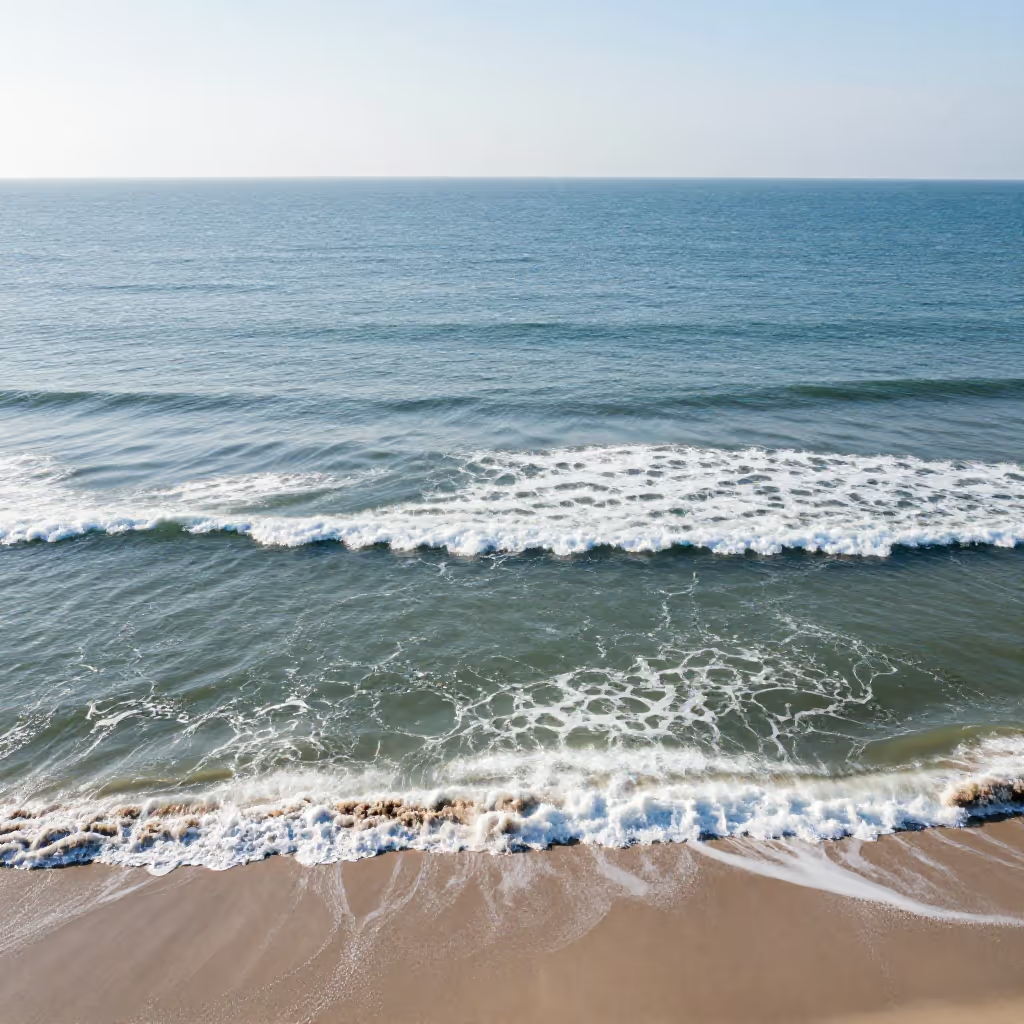
Wegen des starken Wellengangs blieb das Schiff auf der See.
Because of the heavy waves, the ship stayed at sea.
Im Sommer schwimmen viele Familien im Meer.
In summer, many families swim in the sea.