

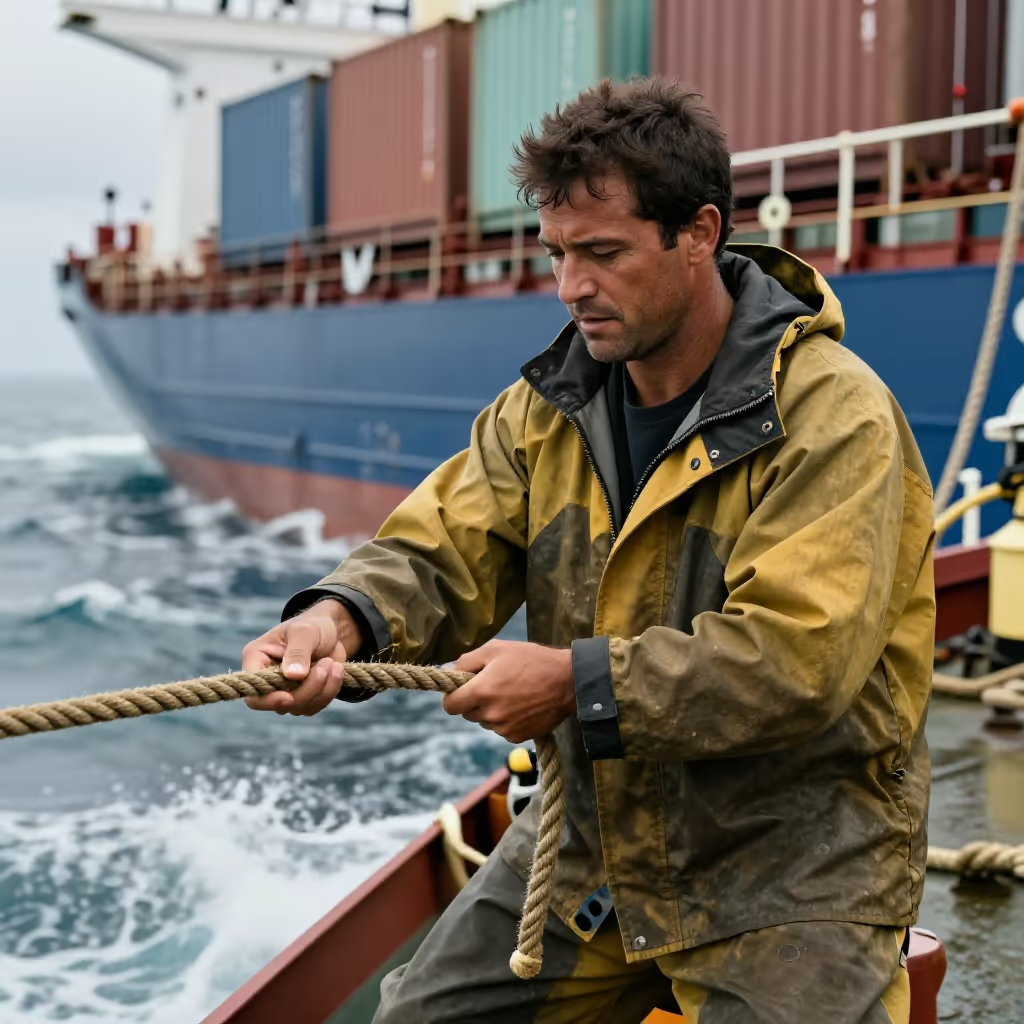
der Seemann
sailor
A person, usually a man, who works professionally at sea on a ship; a seaman.
Der alte Seemann erzählte Geschichten von seinen Reisen über die Weltmeere.
The old sailor told stories of his voyages across the world's oceans.
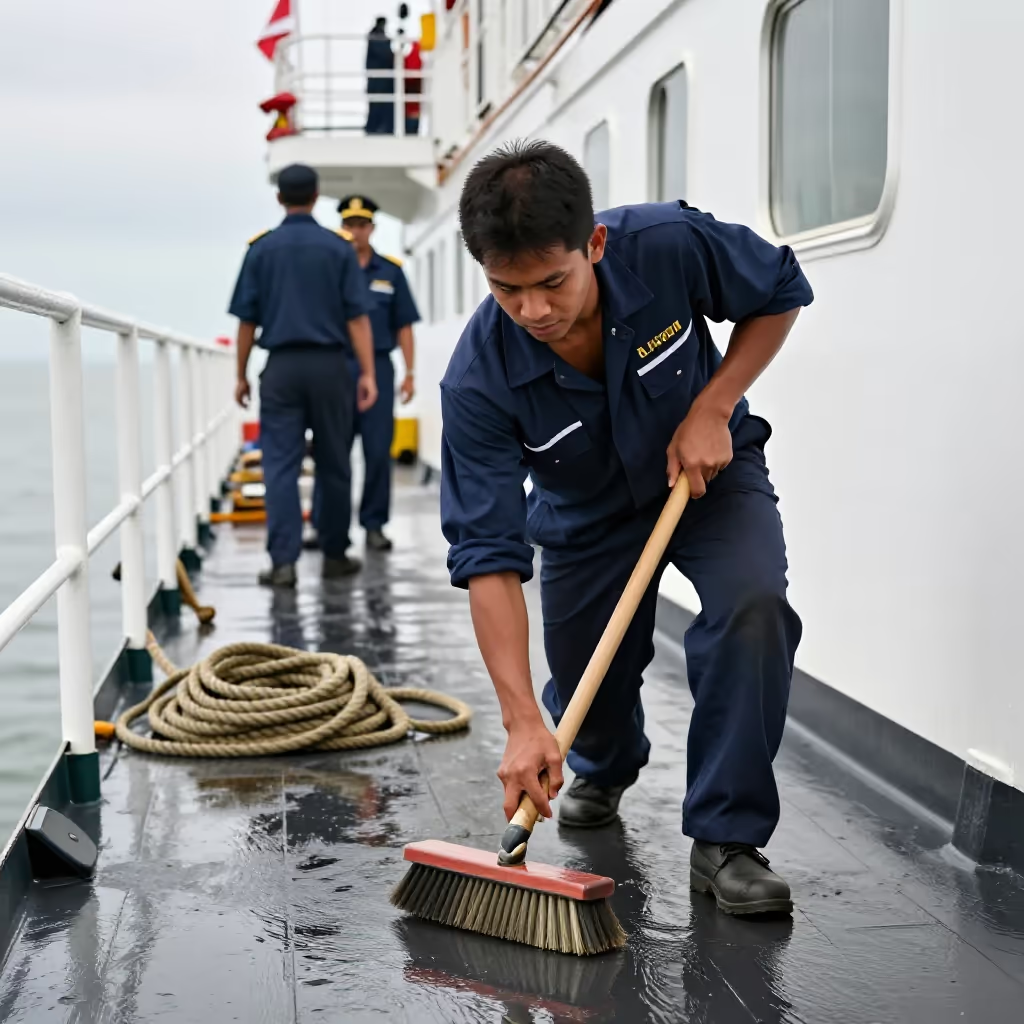
sailor
Loading your saved state.
sailor
A person, usually a man, who works professionally at sea on a ship; a seaman.
Der alte Seemann erzählte Geschichten von seinen Reisen über die Weltmeere.
The old sailor told stories of his voyages across the world's oceans.

The word is clearly composed of 'die See' (the sea) and 'der Mann' (the man). So it literally describes a man who works at sea.
In Hamburg gibt es ein Denkmal für unbekannte Seemänner.
In Hamburg there is a monument to unknown sailors.
The common plural is 'Seeleute' (seafarers/sailors), not 'Seemänner'. The ending '-leute' is often used for occupational titles ending in '-mann' and includes all genders.
Das Schiff hatte eine Besatzung von zwanzig Seeleuten.
The ship had a crew of twenty sailors.
The idiom 'Seemannsgarn spinnen' means to tell exaggerated or made-up adventure stories, as sailors are stereotypically said to do.
Opa, hör auf, Seemannsgarn zu spinnen, das glaubt dir doch keiner!
Grandpa, stop telling tall tales—no one believes that!
captain
'der Kapitän' and 'der Seemann' both have to do with working on a ship. 'der Kapitän' is the person who has command and responsibility for the ship. 'der Seemann' is generally a person who works professionally at sea, often as a sailor or member of the crew. The words can be confused because both people are on ships. The important difference is the role: the captain leads the ship; a sailor works on the ship but does not automatically have command.

Mein Großvater war viele Jahre Seemann und kannte fast jeden großen Hafen.
My grandfather was a sailor for many years and knew almost every major port.
Im Hafen wartet die Mannschaft auf den Kapitän, bevor das Schiff ablegt.
In the harbor, the crew waits for the captain before the ship sets off.