

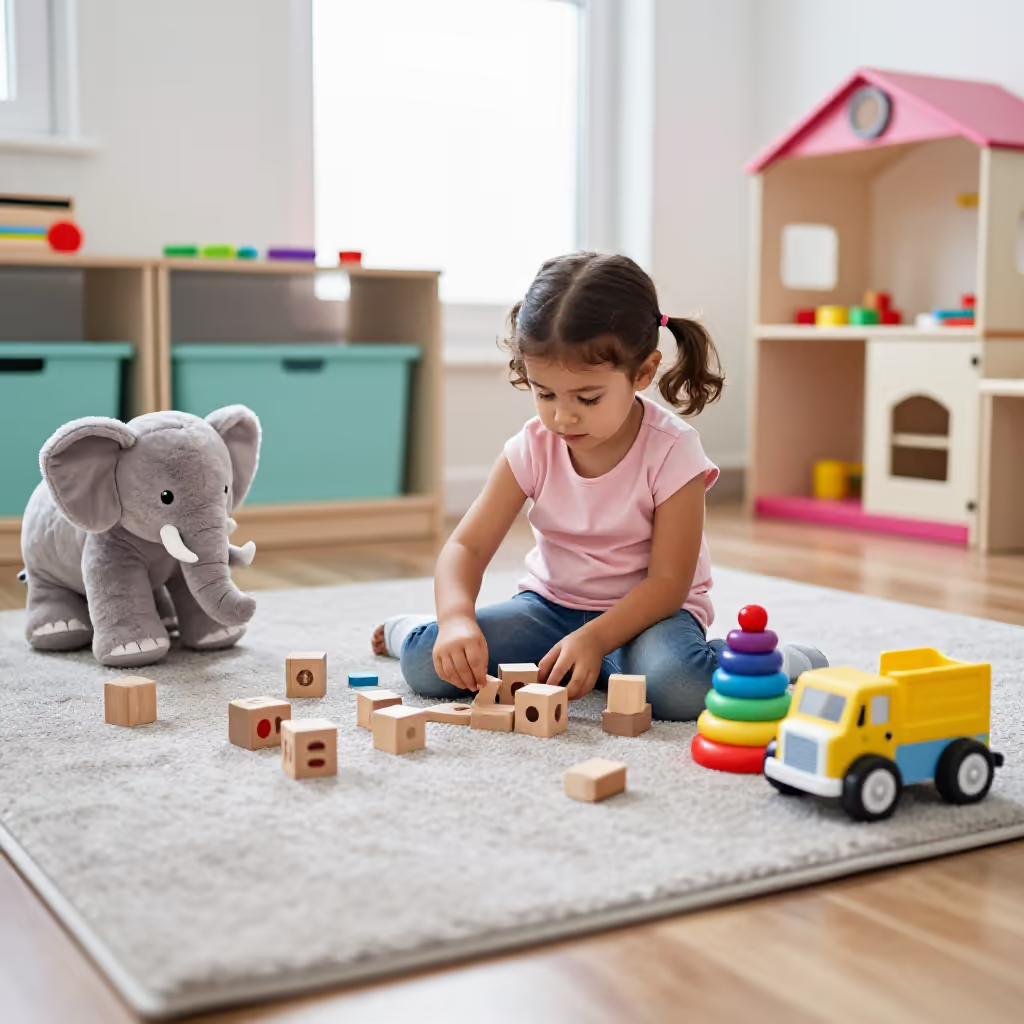
An object made especially for children to play with; a toy. The term is often used in the plural.
example
Nach dem Spielen müssen alle Spielsachen wieder in die Kiste geräumt werden.
After playing, all the toys have to be put back in the box.
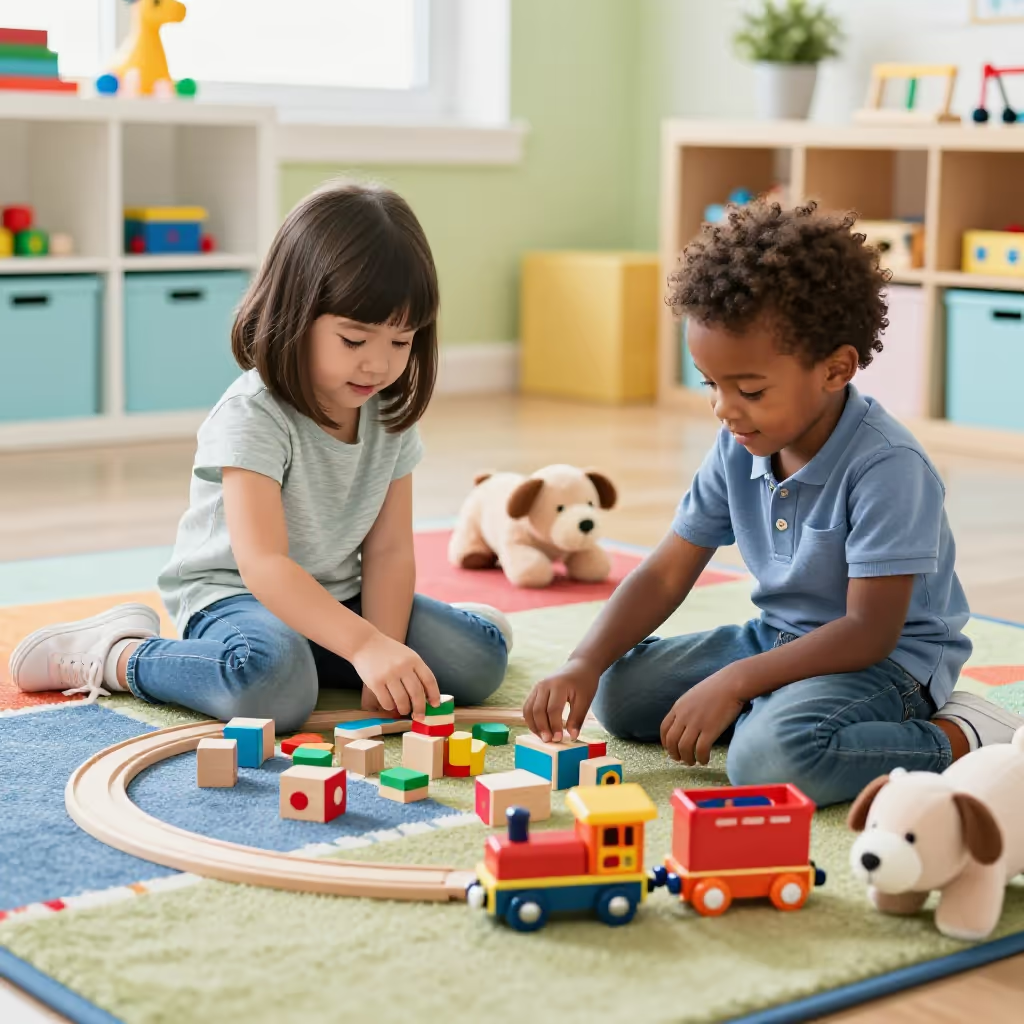
Usage tips
Compound word
The word is made up of 'Spiel' (game/play, from spielen) and 'Sache' (thing), connected by an 's'. So it literally means a 'thing for playing'.
EXAMPLE
Dieses alte Holzauto ist eine ganz besondere Spielsache für mich.
This old wooden car is a very special toy to me.
Typical usage
Very often, the word is used in the plural, 'Spielsachen' (toys), as a collective term for all of a child's toys. You hear it especially often in connection with tidying up.
EXAMPLE
Bitte räum deine Spielsachen auf, bevor du ins Bett gehst.
Please tidy up your toys before you go to bed.
Register and style
The term 'Spielsache' (toy) is often used by adults (parents, educators) when speaking with children. Because of this, it can sound somewhat more educational or formal.
EXAMPLE
Wir teilen die Spielsachen gerecht unter allen Kindern auf.
We divide the toys fairly among all the children.
Compare with
confusable
Spielsache vs Spiel
game / play
'das Spiel' and 'die Spielsache' both belong to the area of play, but they do not mean the same thing. 'das Spiel' is the activity, that is, what you do, often with rules. 'die Spielsache' is an object used for playing, especially by children. Learners may confuse the words because both have to do with playing. A simple guide is: you can play a 'Spiel'; you can touch, buy, or put away a 'Spielsache'.
Spielsache
Im Kinderzimmer liegen überall Spielsachen auf dem Boden.
There are toys lying all over the floor in the children's room.
Spiel
Das Spiel dauert nur zehn Minuten und macht trotzdem viel Spaß.
The game only lasts ten minutes and is still a lot of fun.