

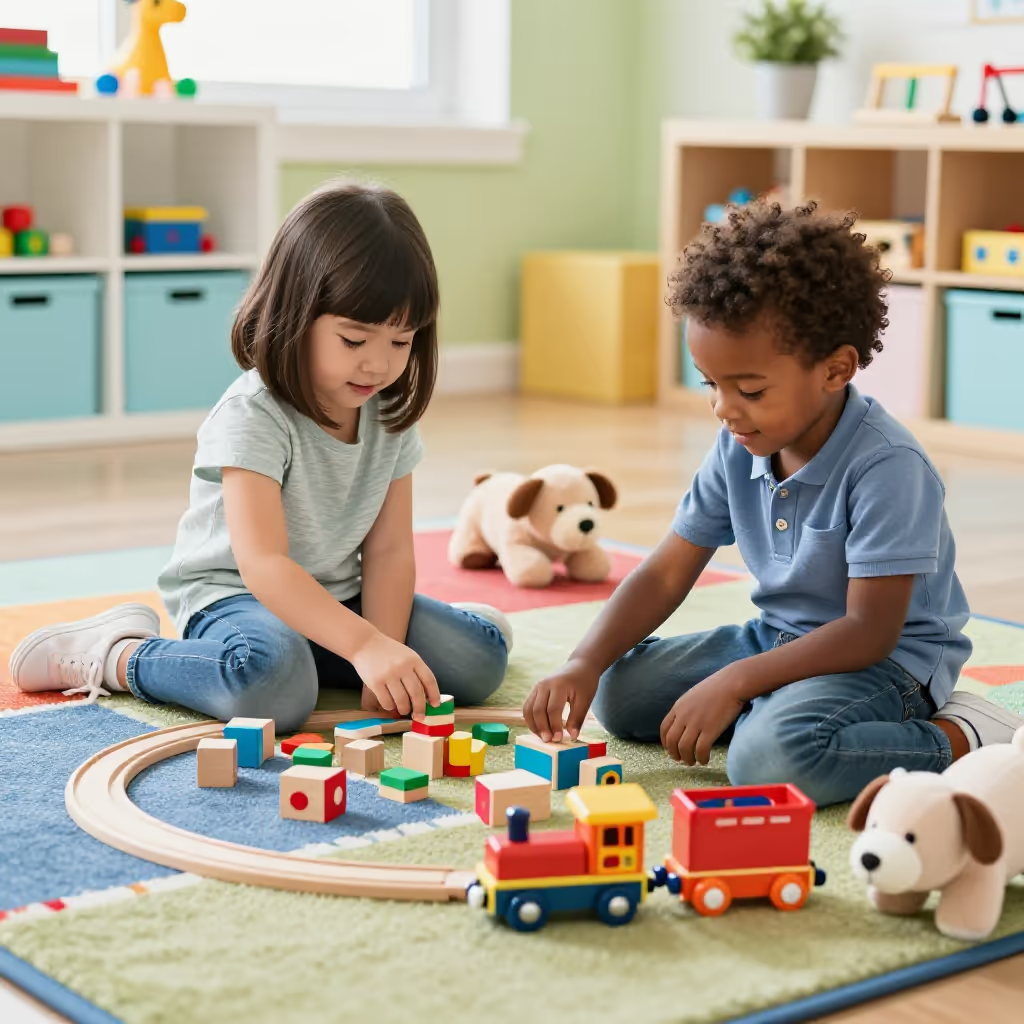
An object made especially for children to play with. It serves entertainment, activity, and the development of children.
example
Zum Geburtstag hat das Kind viel neues Spielzeug bekommen.
For its birthday, the child received a lot of new toys.
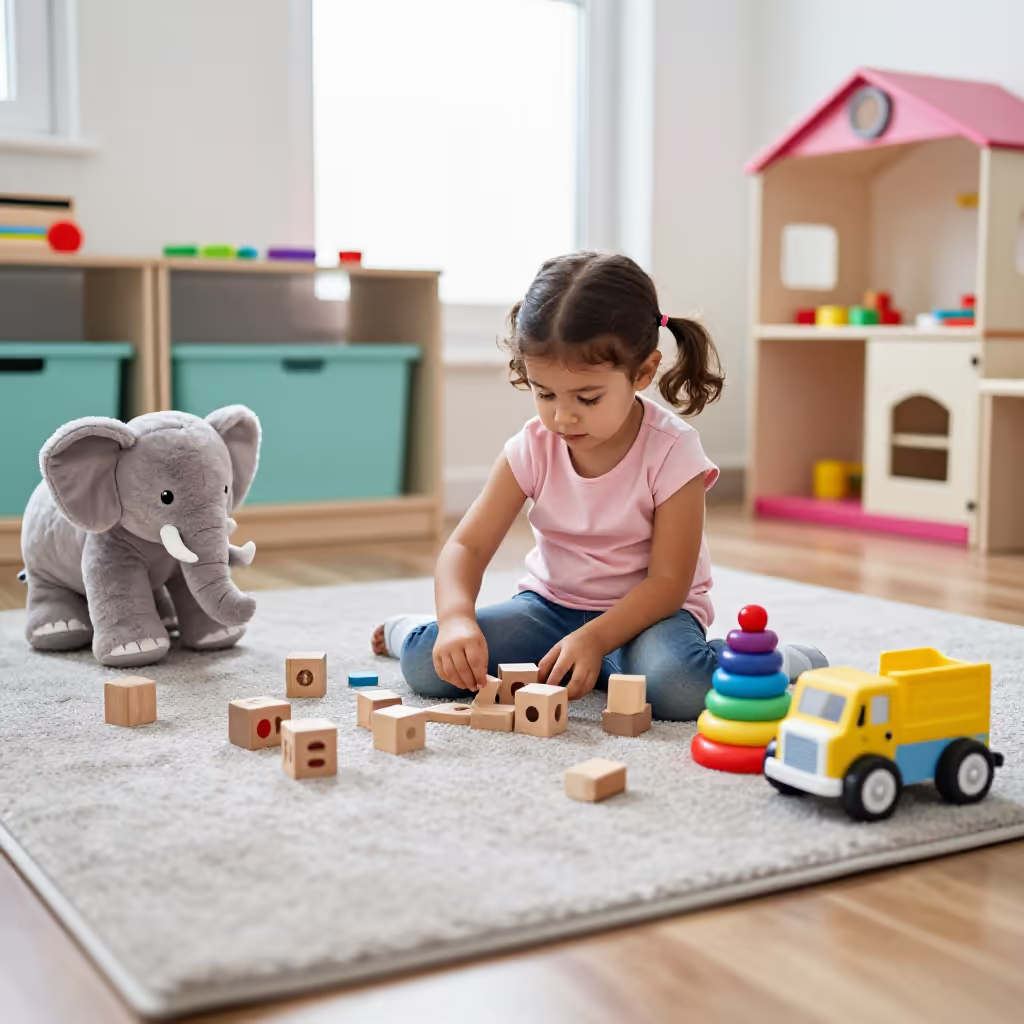
Usage tips
Compound word
The word is made up of 'spielen' (to play) and 'das Zeug' (stuff). 'Zeug' here generally means 'things' or 'stuff', so Spielzeug is literally 'stuff for playing'.
EXAMPLE
Das Kinderzimmer ist voller Spielzeug.
The children's room is full of toys.
Usually singular
'Spielzeug' (toy/toys) is a collective term and is usually used in the singular, even when referring to many individual toys. The plural form 'die Spielzeuge' is rare and emphasizes different kinds of toys.
EXAMPLE
Nach dem Spielen müssen alle Kinder ihr Spielzeug aufräumen.
After playing, all the children have to tidy up their toys.
Typical verbs
Common verbs used with Spielzeug are 'mit dem Spielzeug spielen' (to play with the toy/toys), 'Spielzeug aufräumen' (to tidy up toys), and 'Spielzeug verschenken' (to give away toys).
EXAMPLE
Er spielt am liebsten mit seinem Holzspielzeug.
He likes playing with his wooden toys best.
Compare with
confusable
Spielzeug vs Spiel
game / play
'das Spiel' and 'das Spielzeug' both belong to the area of playing. The important difference is: 'das Spiel' is the activity with rules, for example a board game or card game. 'das Spielzeug' is an object that especially children play with, for example a ball, a doll, or a building block. Learners may confuse the words because both have to do with playing. In practical terms: you play a game, but you play with toys.
Spielzeug
Das Kind räumt sein Spielzeug vor dem Schlafengehen in die Kiste.
The child puts his toys in the box before bedtime.
Spiel
Nach dem Essen spielen wir ein neues Spiel mit einfachen Regeln.
After dinner, we play a new game with simple rules.