

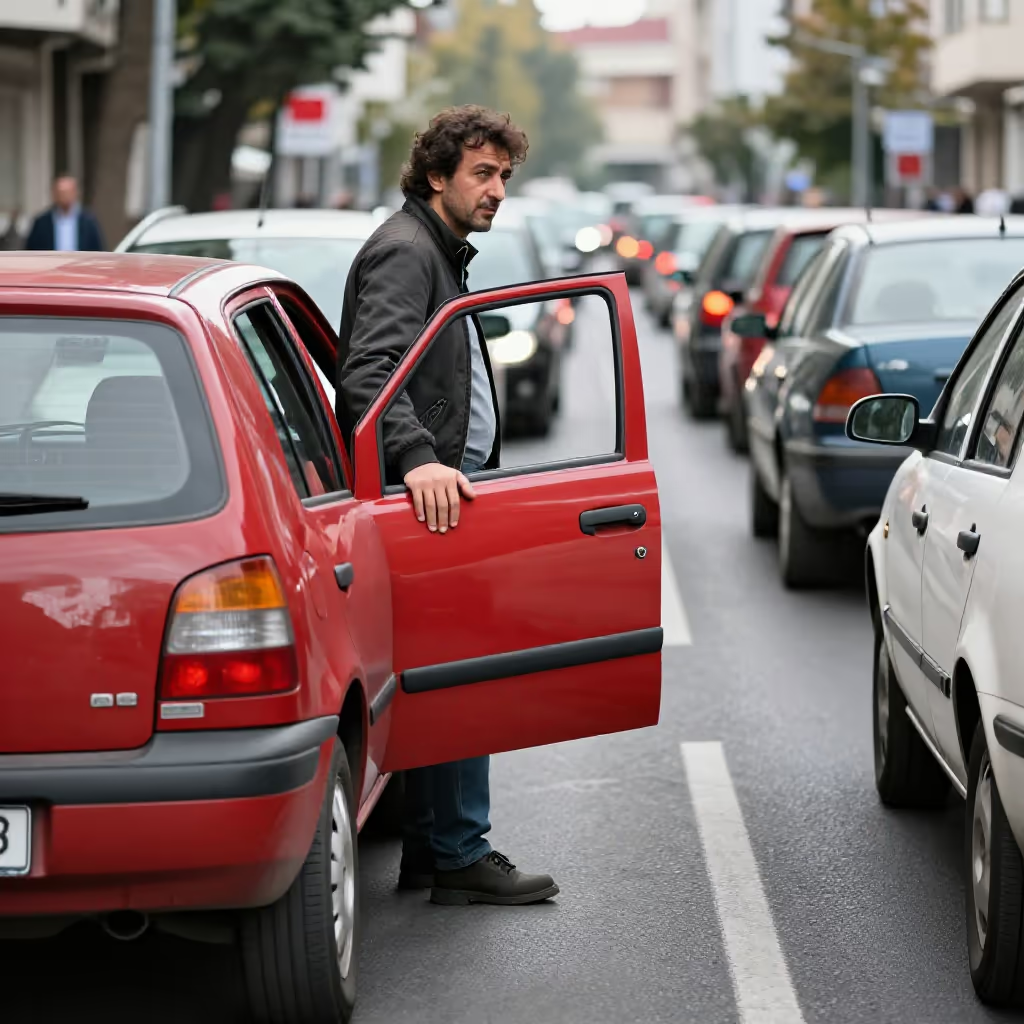
stehenbleiben
to stop
To stop moving and remain in one place. This can refer to people, vehicles, or other moving objects.
EXAMPLE
Er blieb plötzlich auf der Straße stehen und schaute zurück.
He suddenly stopped in the street and looked back.
to stop / stall
Loading your saved state.
to stop
To stop moving and remain in one place. This can refer to people, vehicles, or other moving objects.
Er blieb plötzlich auf der Straße stehen und schaute zurück.
He suddenly stopped in the street and looked back.
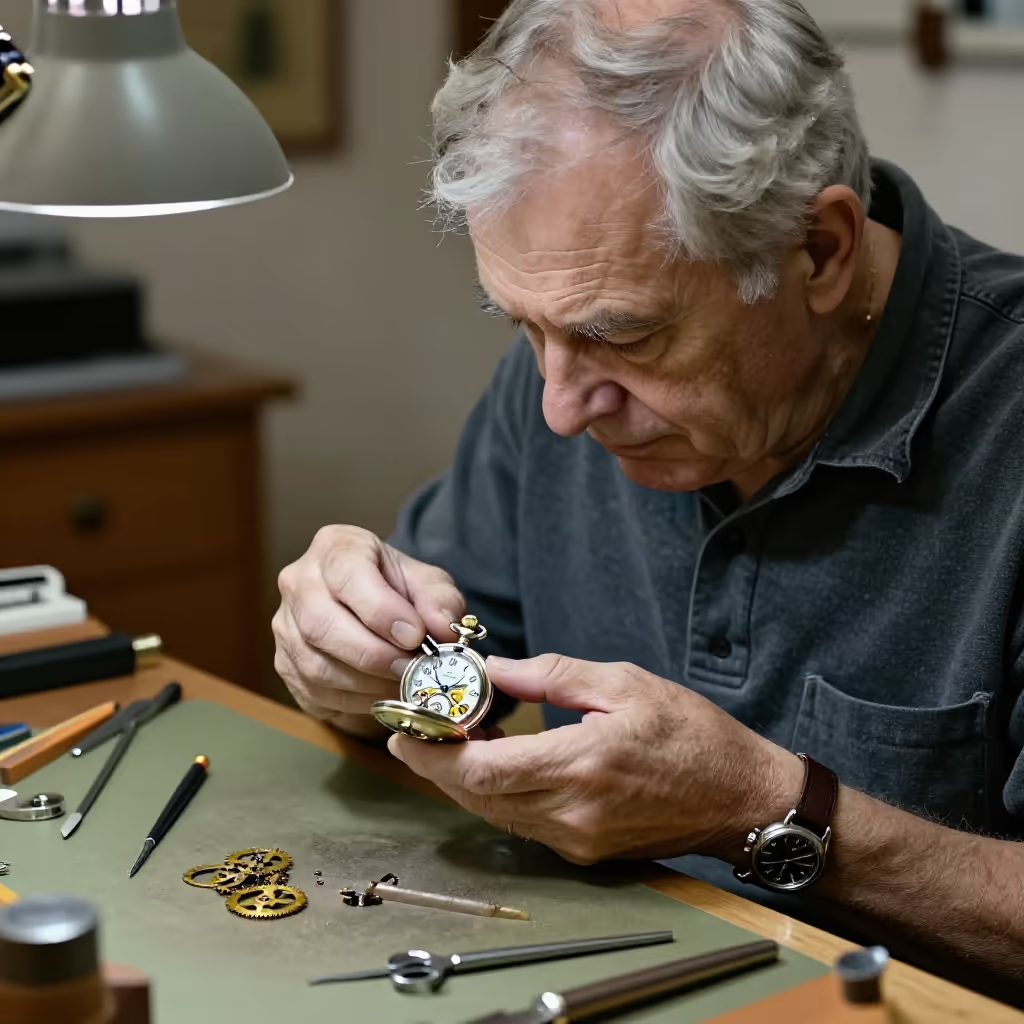
to stop working
To stop functioning or running, especially with clocks, engines, or other machines.
Meine Uhr ist gestern um Punkt drei Uhr stehengeblieben.
My watch stopped yesterday at exactly three o'clock.
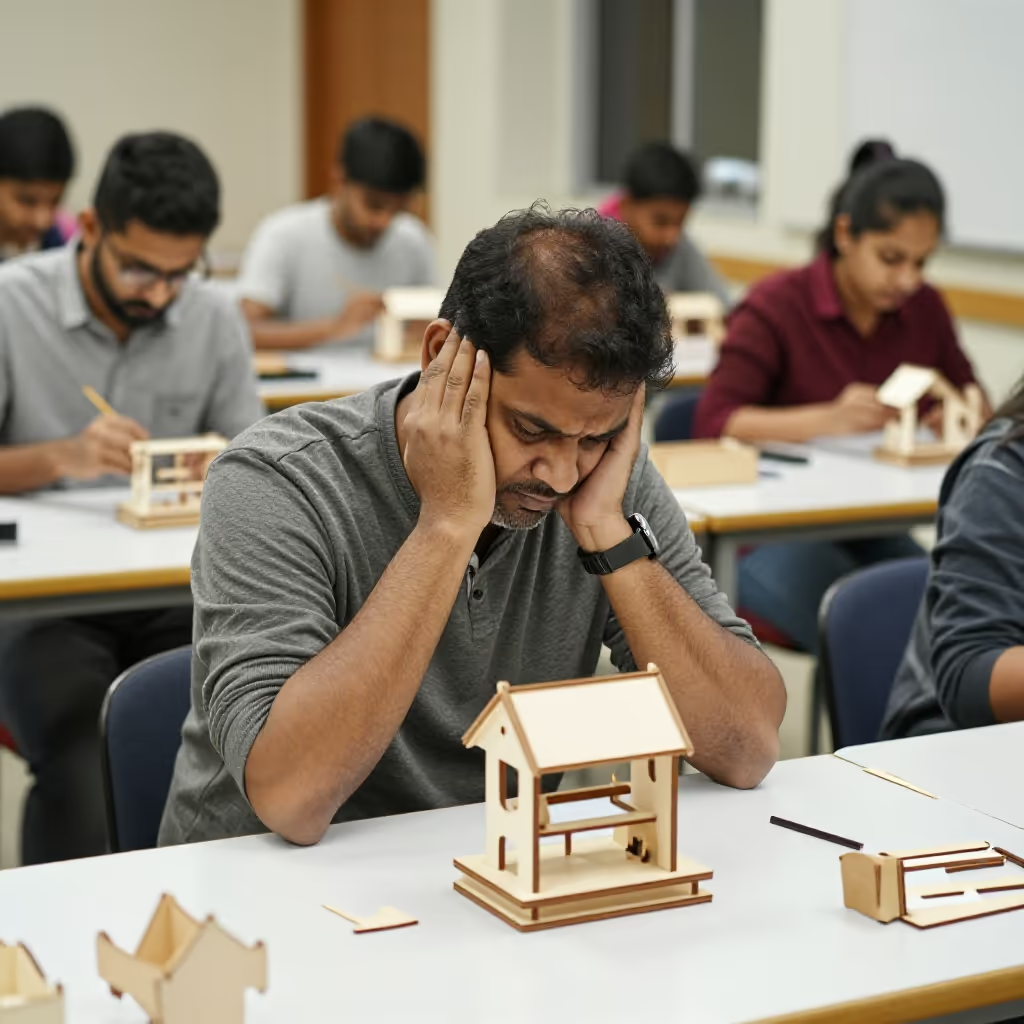
to stand still
To stop developing; to remain in a certain state and make no progress.
Man darf im Leben nicht stehenbleiben, sondern muss immer weiterlernen.
You must not stand still in life, but always keep learning.
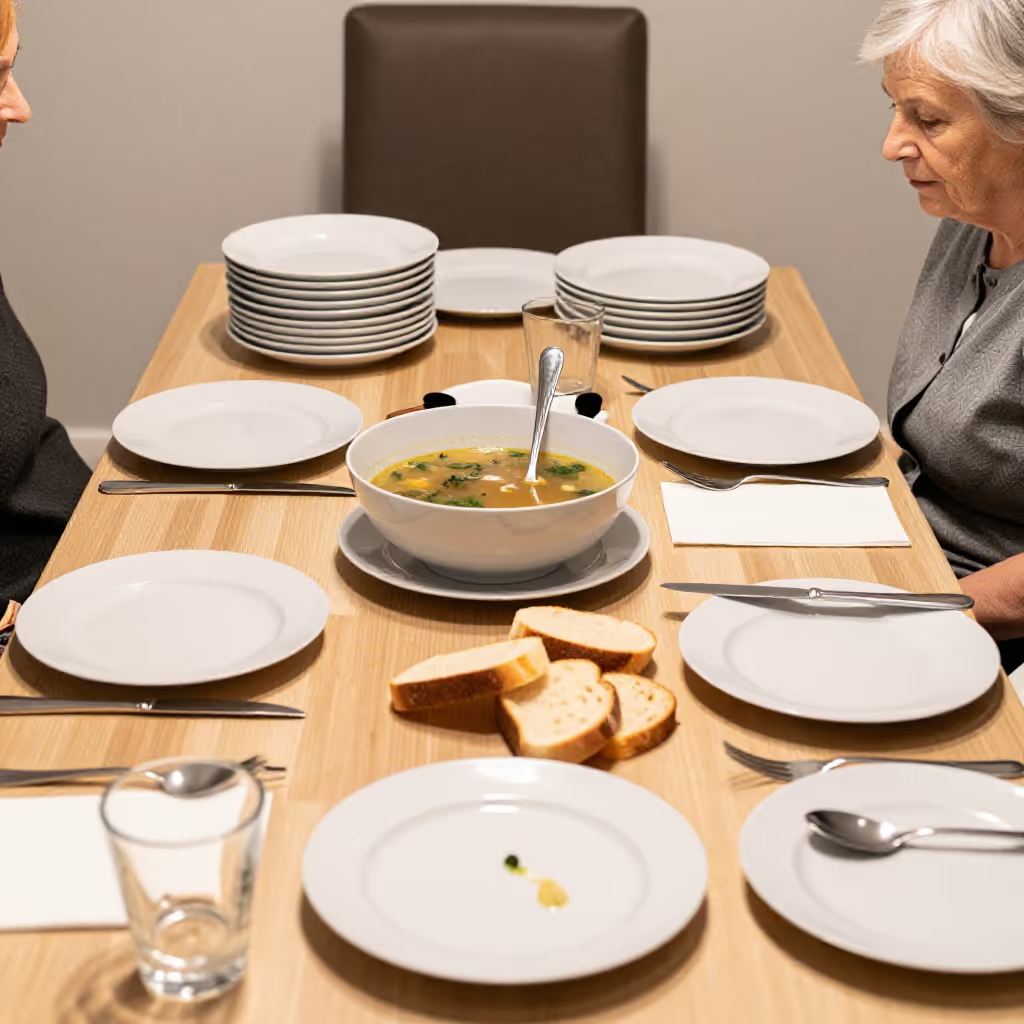
to be left over
To be left over; not to be eaten, drunk, or taken away.
Nach der Party ist noch eine ganze Pizza stehengeblieben.
After the party, a whole pizza was still left over.
'Stehenbleiben' (to stop / stall) is a separable verb. The prefix 'stehen' separates from the main verb 'bleiben' in main clauses and goes to the end of the sentence. In subordinate clauses and in the infinitive with 'zu', the verb stays together.
Warum bleibst du mitten auf dem Weg stehen?
Why are you stopping in the middle of the path?
The word is a combination of the verbs 'stehen' (to stand) and 'bleiben' (to stay / remain). It literally describes an action in which movement ends and you remain standing in one place.
Die Wanderer blieben auf dem Gipfel stehen, um die Aussicht zu genießen.
The hikers stopped on the summit to enjoy the view.
The perfect tense of 'stehenbleiben' (to stop / stall) is always formed with the auxiliary verb 'sein' (to be). This is because it describes a change of state, from movement to standstill.
Der Bus ist an der Haltestelle nicht stehengeblieben.
The bus did not stop at the bus stop.
You can recognize the exact meaning of 'stehenbleiben' (to stop / stall) from the subject of the sentence. People and vehicles 'bleiben stehen' (stop moving), clocks and engines 'bleiben stehen' (stop working), and food 'bleibt stehen' (is left over / not eaten).
Der Läufer ist nach 10 Kilometern stehengeblieben.
The runner stopped after 10 kilometers.
In a figurative sense, 'stehenbleiben' (to stand still) means that you do not develop further personally or professionally. This meaning is often found in discussions about education, careers, or personal growth.
Wer in diesem Beruf nicht stehenbleiben will, muss sich ständig fortbilden.
Anyone who does not want to stand still in this profession has to keep doing further training.
to stop
When referring to movement, stoppen often means actively bringing a person or thing to a halt. Stehenbleiben describes the person or thing no longer moving and remaining in one place. Therefore, stoppen fits the action, while stehenbleiben describes the resulting standstill.

Der Bus bleibt direkt vor dem Eingang stehen.
The bus stops right in front of the entrance.
Die Fahrerin stoppt den Bus direkt vor dem Eingang.
The driver stops the bus right in front of the entrance.