

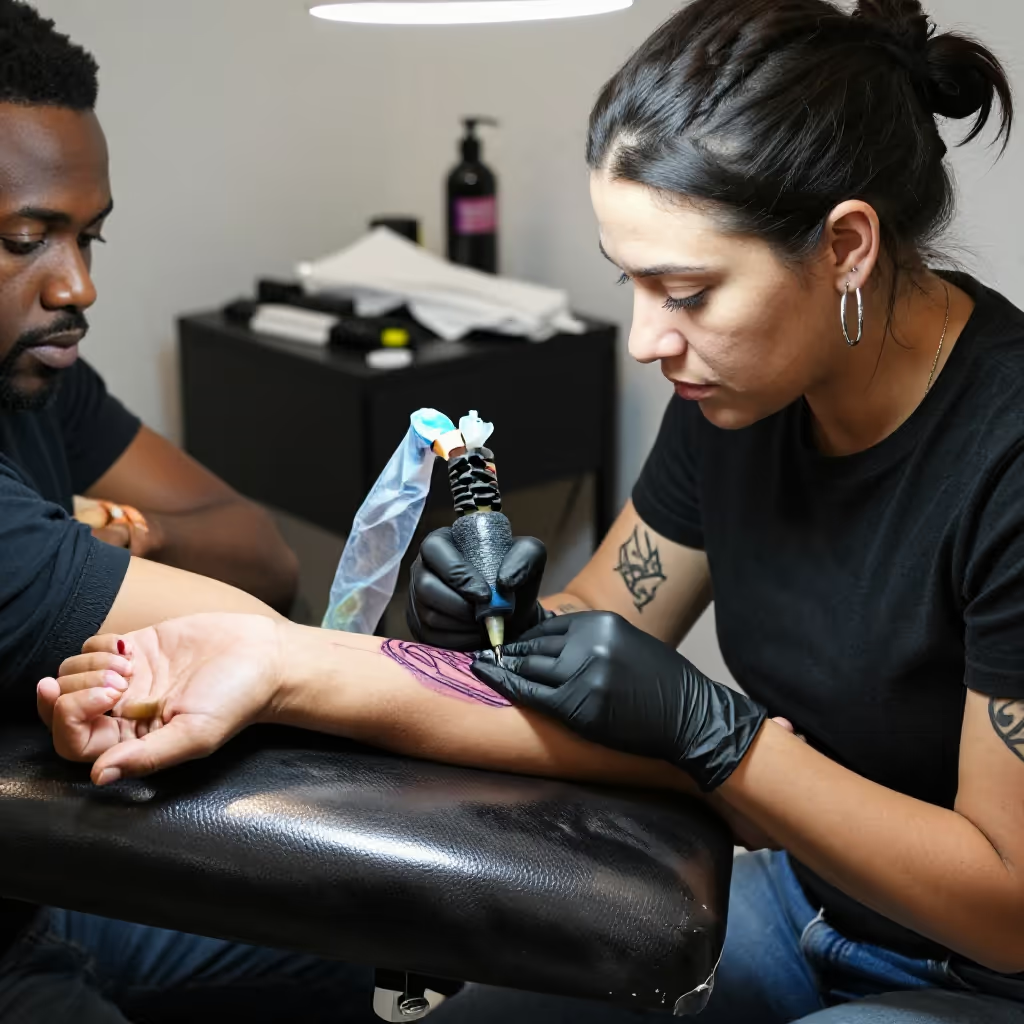
tätowieren
to tattoo
To put a permanent picture or symbol under the skin with ink. This is done with a special needle.
EXAMPLE
Er hat sich einen Drachen auf den Rücken tätowieren lassen.
He had a dragon tattooed on his back.
to tattoo
Loading your saved state.
to tattoo
To put a permanent picture or symbol under the skin with ink. This is done with a special needle.
Er hat sich einen Drachen auf den Rücken tätowieren lassen.
He had a dragon tattooed on his back.
When you get a tattoo, you say 'Ich lasse mich tätowieren' (I'm getting tattooed). The construction with 'lassen' (to have something done / to let) shows that another person (the tattoo artist) performs the action. The person getting the tattoo is in the dative when the tattoo itself is named as the accusative object.
Ich lasse mir bald ein neues Tattoo stechen.
I'm getting a new tattoo done soon.
The verb can also be used actively, but then the tattoo artist is the subject of the sentence. If you want to say that you are the person getting the tattoo, the formulation with 'lassen' is the most common.
Der Künstler tätowiert sehr feine Linien.
The artist tattoos very fine lines.
To name the body part where the tattoo is located, the preposition 'auf' (on) is used with the accusative.
Er möchte sich eine Rose auf den Oberarm tätowieren lassen.
He would like to have a rose tattooed on his upper arm.
to sting / stab
When creating a tattoo, both stechen and tätowieren are possible. Ein Tattoo stechen focuses more on putting the design into the skin with a needle; jemanden tätowieren more broadly refers to permanently decorating someone's skin. The appropriate choice therefore depends on the perspective being described.
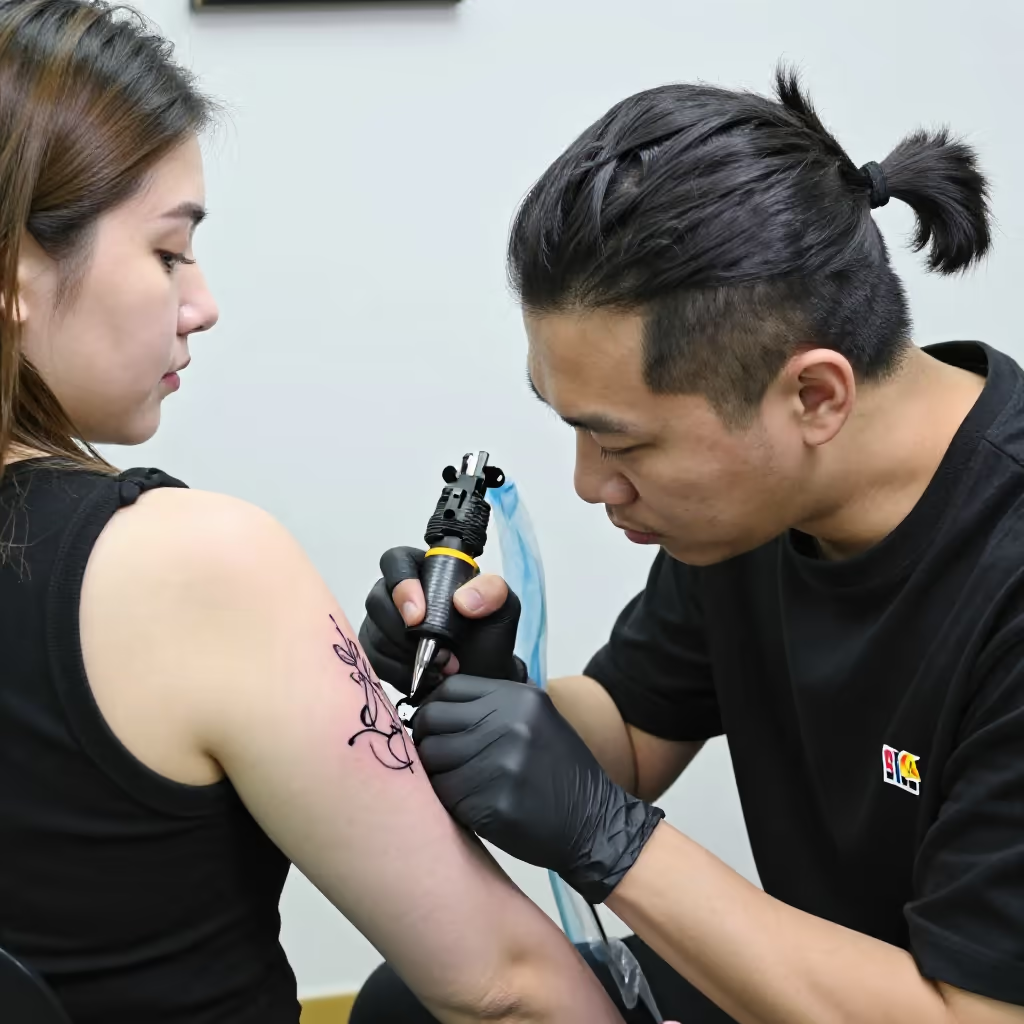
Die Künstlerin tätowiert dem Kunden ein kleines dauerhaftes Motiv auf den Arm.
The artist tattoos a small permanent design onto the customer's arm.
Die Künstlerin sticht dem Kunden mit einer feinen Nadel ein kleines Tattoo auf den Arm.
The artist uses a fine needle to tattoo a small design onto the customer's arm.