


die Tafel
board
A large, usually black or green writing surface in a classroom, written on with chalk.
EXAMPLE
Der Lehrer schrieb die Hausaufgaben an die Tafel.
The teacher wrote the homework on the board.
board / bar / food bank
Loading your saved state.
board
A large, usually black or green writing surface in a classroom, written on with chalk.
Der Lehrer schrieb die Hausaufgaben an die Tafel.
The teacher wrote the homework on the board.
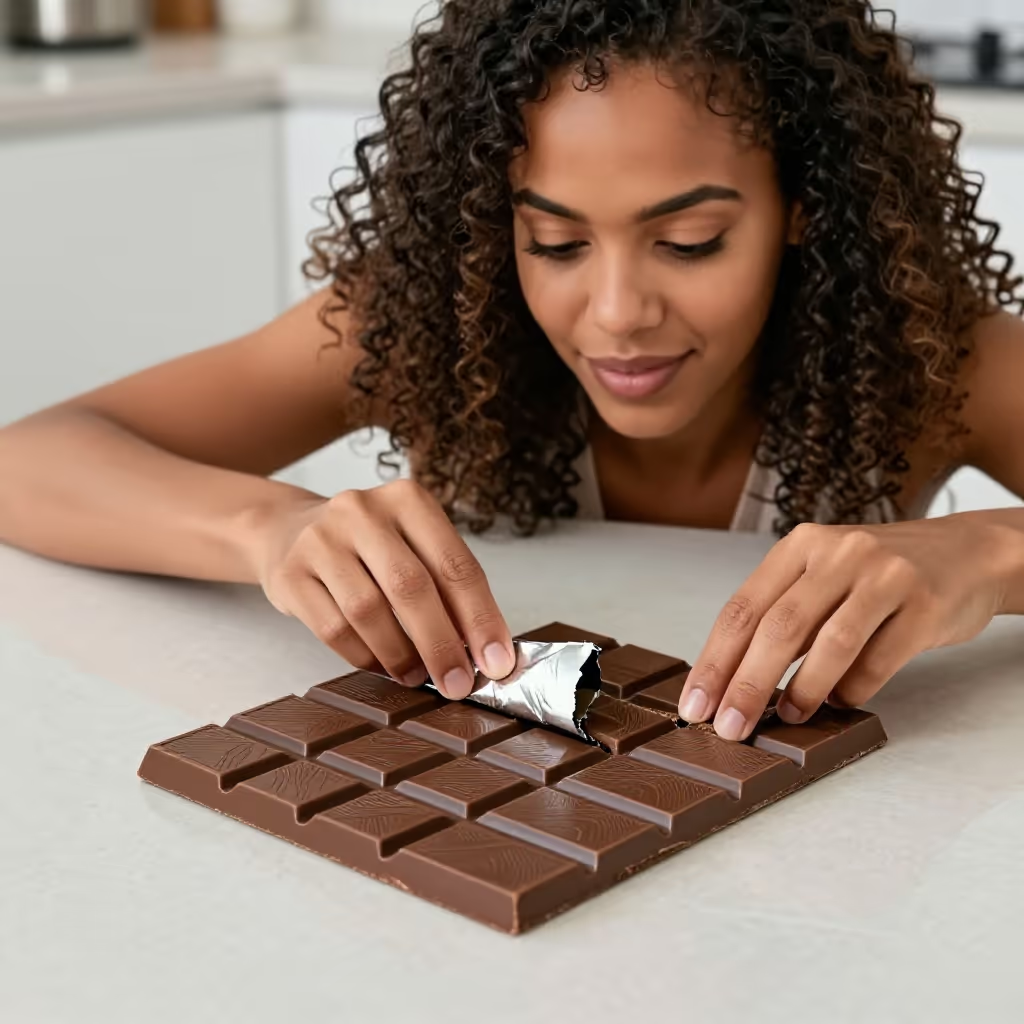
bar
A flat, rectangular portion of a solid food, especially chocolate.
Zur Belohnung gab es eine ganze Tafel Schokolade.
As a reward, there was a whole bar of chocolate.
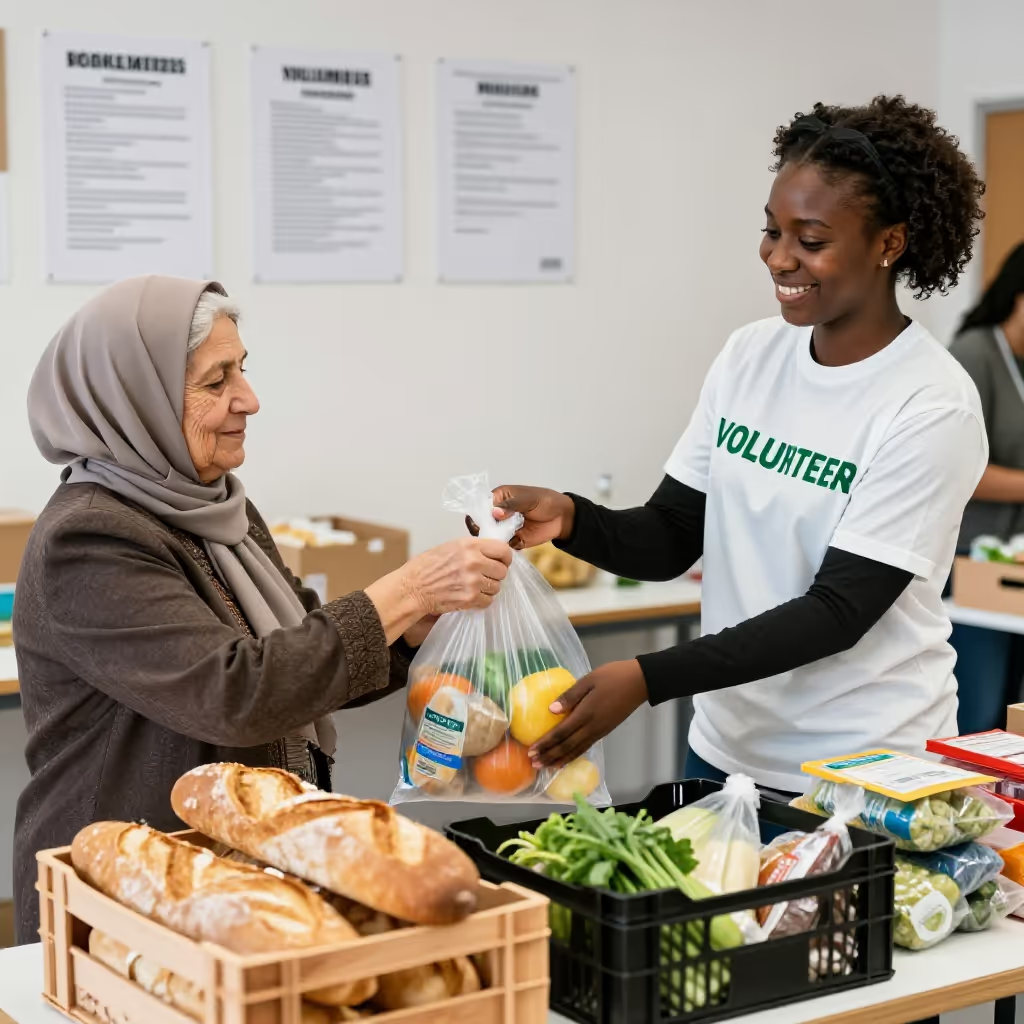
food bank
A nonprofit organization that collects surplus food from retailers and manufacturers and distributes it to people in need.
Viele Rentner sind auf die Unterstützung durch die Tafel angewiesen.
Many retirees depend on support from the food bank.
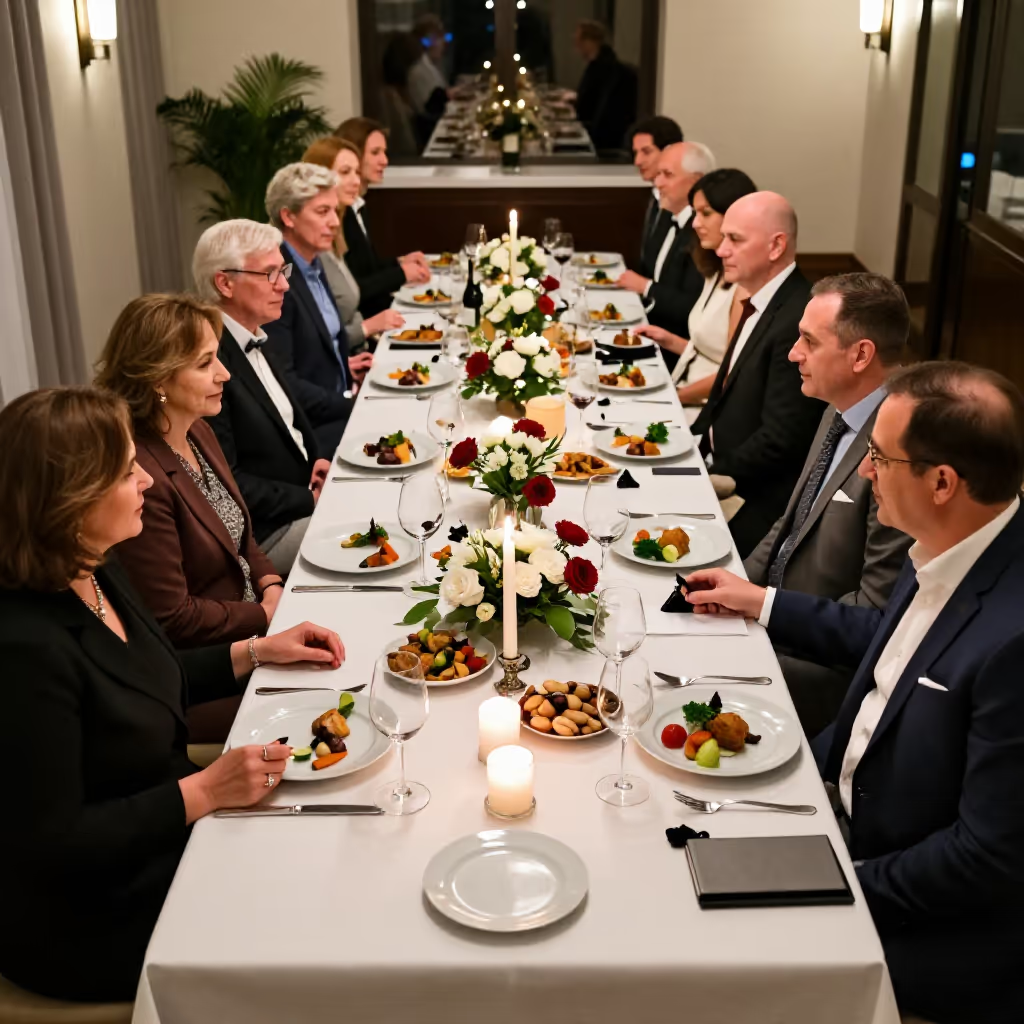
banquet table
A large, festively set table for a shared meal, often at a banquet or celebration.
Zur Hochzeit wurde an einer langen Tafel für alle Gäste gespeist.
At the wedding, everyone dined at a long banquet table.
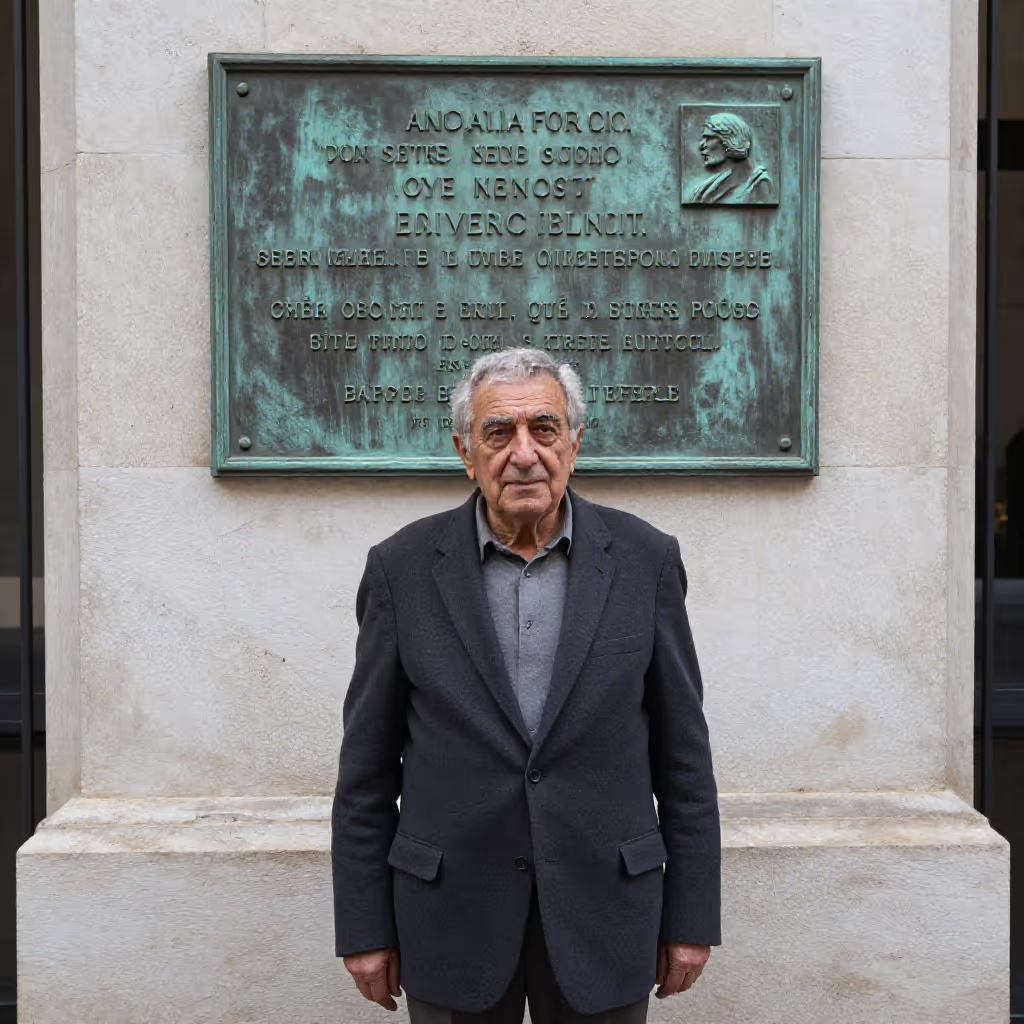
plaque / sign
A slab made of stone, metal, or wood that often bears an inscription or image and serves as a memorial plaque or information sign.
Am Eingang des Gebäudes erinnert eine Tafel an seine Geschichte.
At the entrance to the building, a plaque commemorates its history.
The many meanings of 'Tafel' (board / bar / food bank) become clear from context. 'Schule' (school) or 'Kreide' (chalk) points to the writing surface, 'Schokolade' (chocolate) to the sweet, and 'Spenden' (donations) or 'Armut' (poverty) to the aid organization.
In der Schule steht die Lösung an der Tafel.
At school, the solution is on the board.
For the writing surface, the prepositions are important. You write something 'an die Tafel' (on/to the board; accusative, direction), and something is written 'an der Tafel' (on the board; dative, location). A typical verb is 'wischen' (to wipe).
Der Schüler ging nach vorne, um die Aufgabe an die Tafel zu schreiben.
The student went to the front to write the exercise on the board.
In the meaning 'portion', 'Tafel' (bar) is used almost exclusively in the fixed combination 'eine Tafel Schokolade' (a bar of chocolate). It works like a counting unit for chocolate.
Ich habe im Supermarkt zwei Tafeln Schokolade gekauft.
I bought two bars of chocolate at the supermarket.
In Germany, 'Die Tafel' is the name for organizations that distribute food to people in need. You say 'zur Tafel gehen' when someone makes use of help there.
Immer mehr Menschen sind auf die Hilfe der Tafeln angewiesen.
More and more people depend on help from food banks.
As a term for a large, festively set dining table, 'Tafel' (banquet table) is rather elevated or literary. It is used for banquets, weddings, or royal meals, not for a normal kitchen table.
Zur Hochzeit des Prinzen wurde eine prachtvolle Tafel für 200 Gäste gedeckt.
For the prince's wedding, a magnificent banquet table was set for 200 guests.
As a sign, 'Tafel' (plaque / sign) is often used for memorial plaques or information signs on buildings or monuments. Common verbs are 'anbringen' (to put up/attach) or 'enthüllen' (to unveil).
Am Geburtshaus des Dichters wurde eine Gedenktafel angebracht.
A memorial plaque was put up at the poet's birthplace.
table
Tisch and Tafel can both refer to a place for a shared meal. Tisch is the neutral term for the piece of furniture. Tafel sounds formal and refers to a large, festively set table, especially at a banquet or celebration.
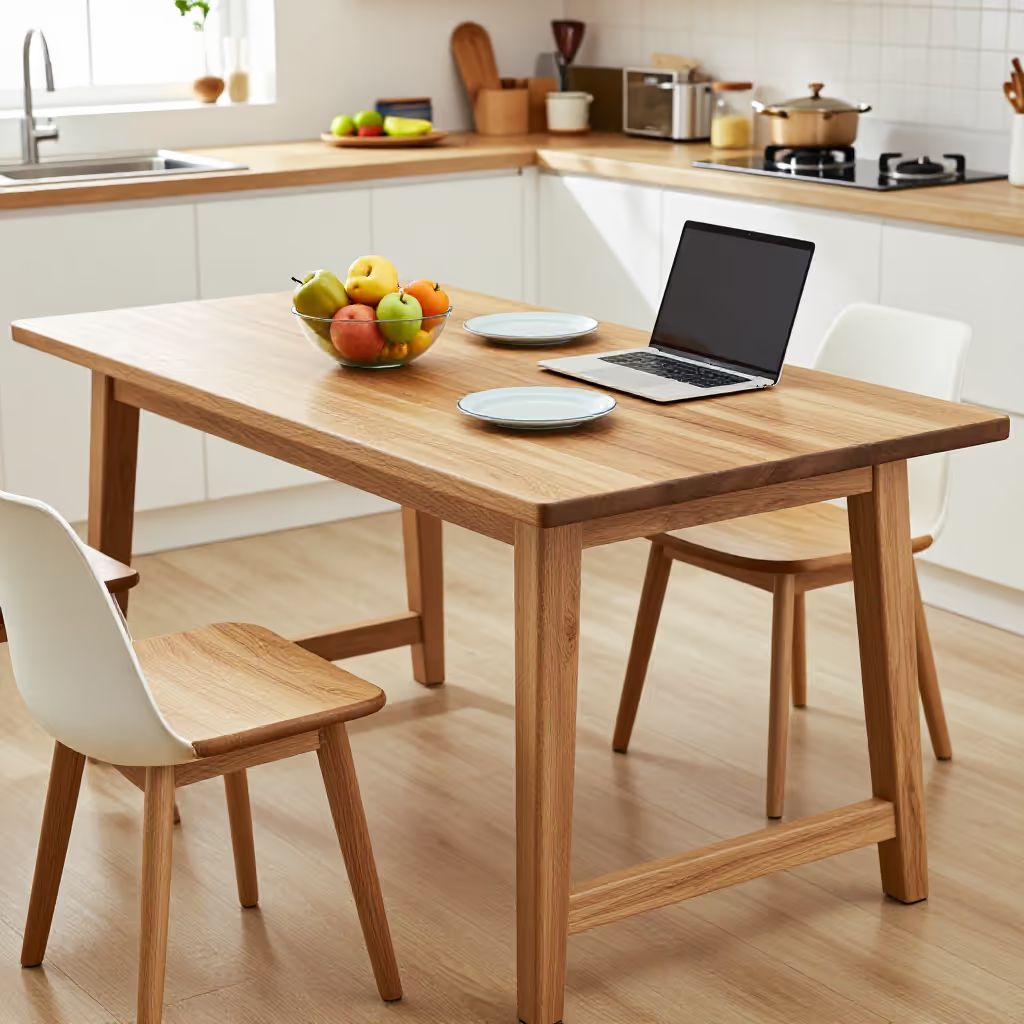
Für das festliche Hochzeitsmahl decken die Helfer eine lange Tafel.
For the festive wedding feast, the helpers set a long banquet table.
Für das gemeinsame Abendessen decken die Helfer einen langen Tisch.
For the shared dinner, the helpers set a long table.