

der Take
take
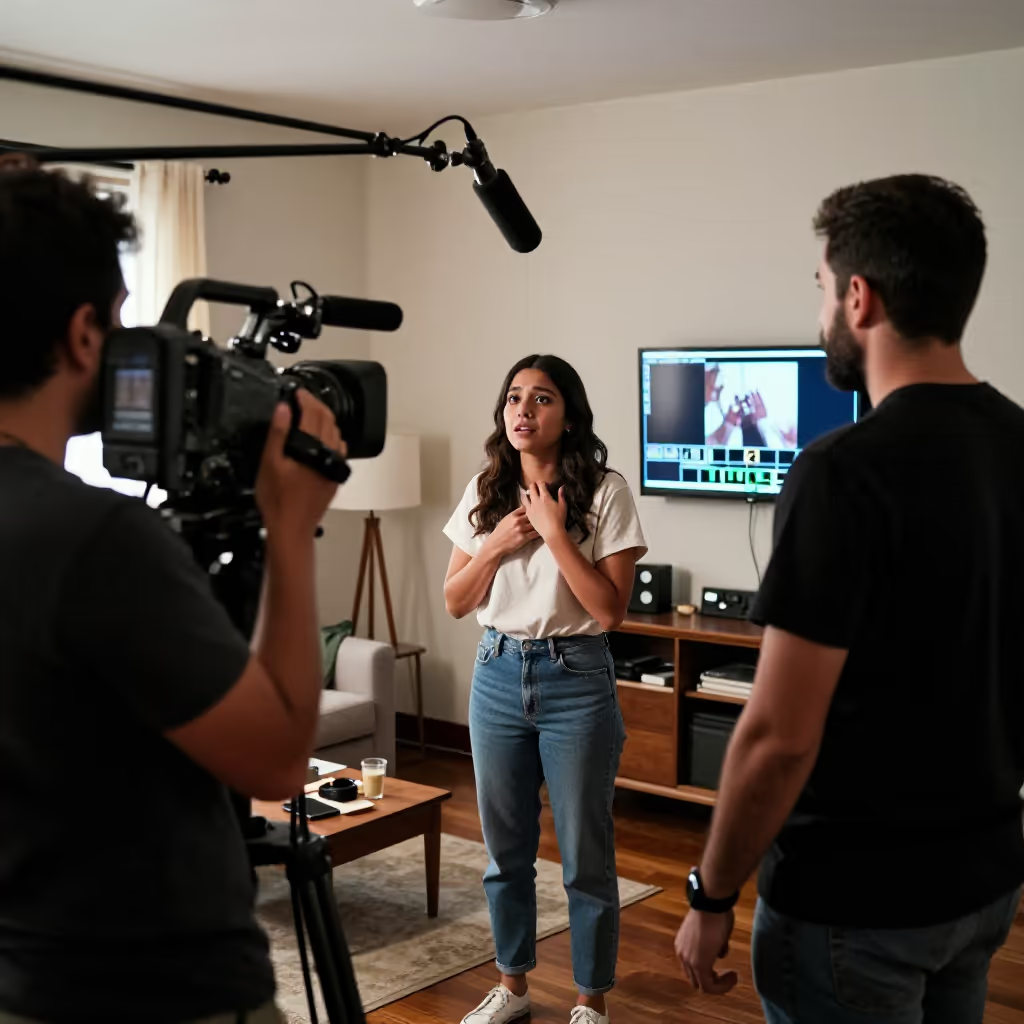
In film and music production, a single, uninterrupted attempt to record a scene or piece of music.
EXAMPLE
Der Regisseur war erst mit dem siebten Take zufrieden.
The director was only satisfied with the seventh take.
take
Loading your saved state.
take
In film and music production, a single, uninterrupted attempt to record a scene or piece of music.
Der Regisseur war erst mit dem siebten Take zufrieden.
The director was only satisfied with the seventh take.
'Take' is a technical term from film and music production that was borrowed directly from English. It is used mainly in this professional context.
Wir brauchen noch einen Take von der Nahaufnahme.
We need one more take of the close-up.
You can 'drehen' (shoot), 'machen' (do/make), or 'wiederholen' (repeat) a take. It is also often combined with an ordinal number to count the attempts.
Der erste Take war schon fast perfekt.
The first take was already almost perfect.
When talking about the result, people often use the phrase 'mit einem Take zufrieden sein' (to be satisfied with a take) or 'einen Take brauchen' (to need a take).
Die Band brauchte zwanzig Takes, bis der Song saß.
The band needed twenty takes before the song was right.
recording / admission / uptake
In film or music productions, the words can refer to the same recording. However, a Take is a single, uninterrupted attempt, while Aufnahme refers more generally to the process or the material created. Use “Take” when you mean a specific attempt, and Aufnahme when the recording as a process or result is the focus.
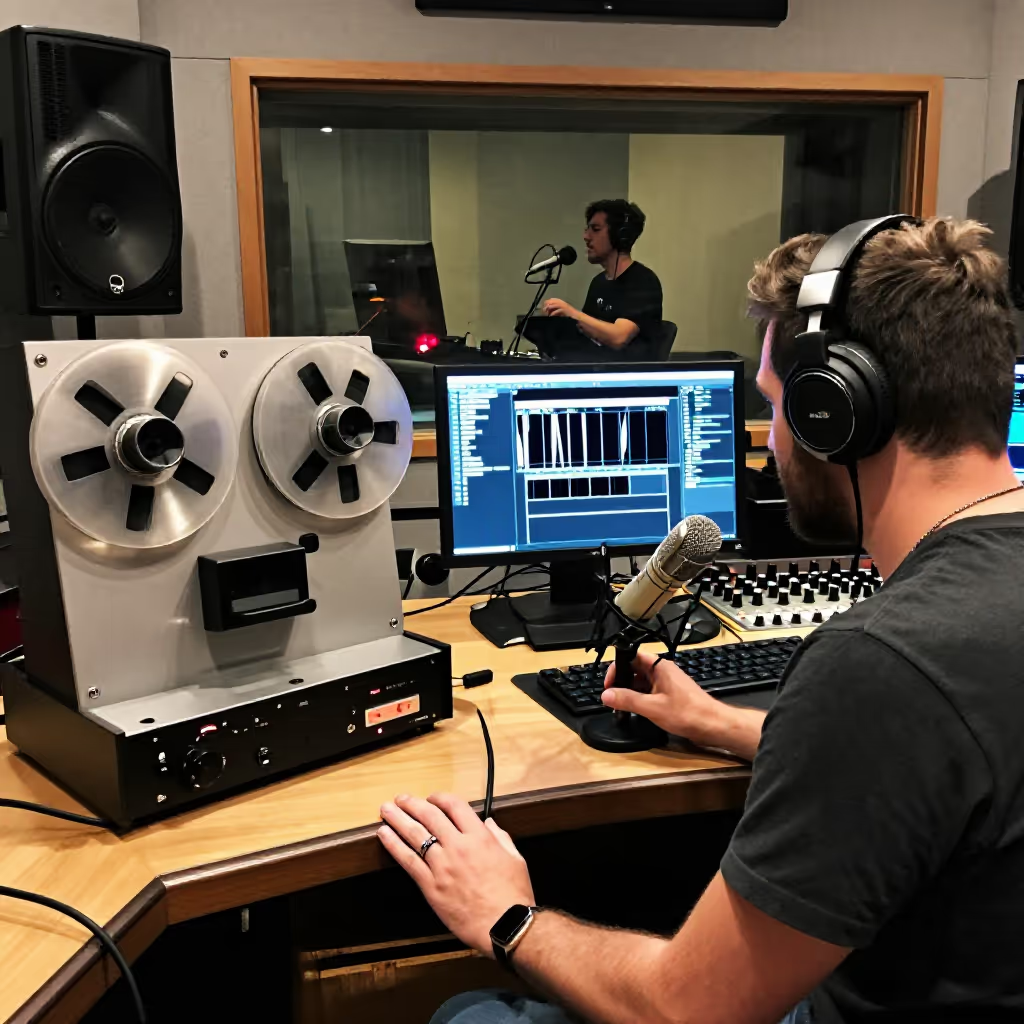
Der dritte Take der Szene war endlich fehlerfrei.
The third take of the scene was finally error-free.
Die Aufnahme der Szene ist bereits auf der Festplatte gespeichert.
The recording of the scene has already been saved on the hard drive.