

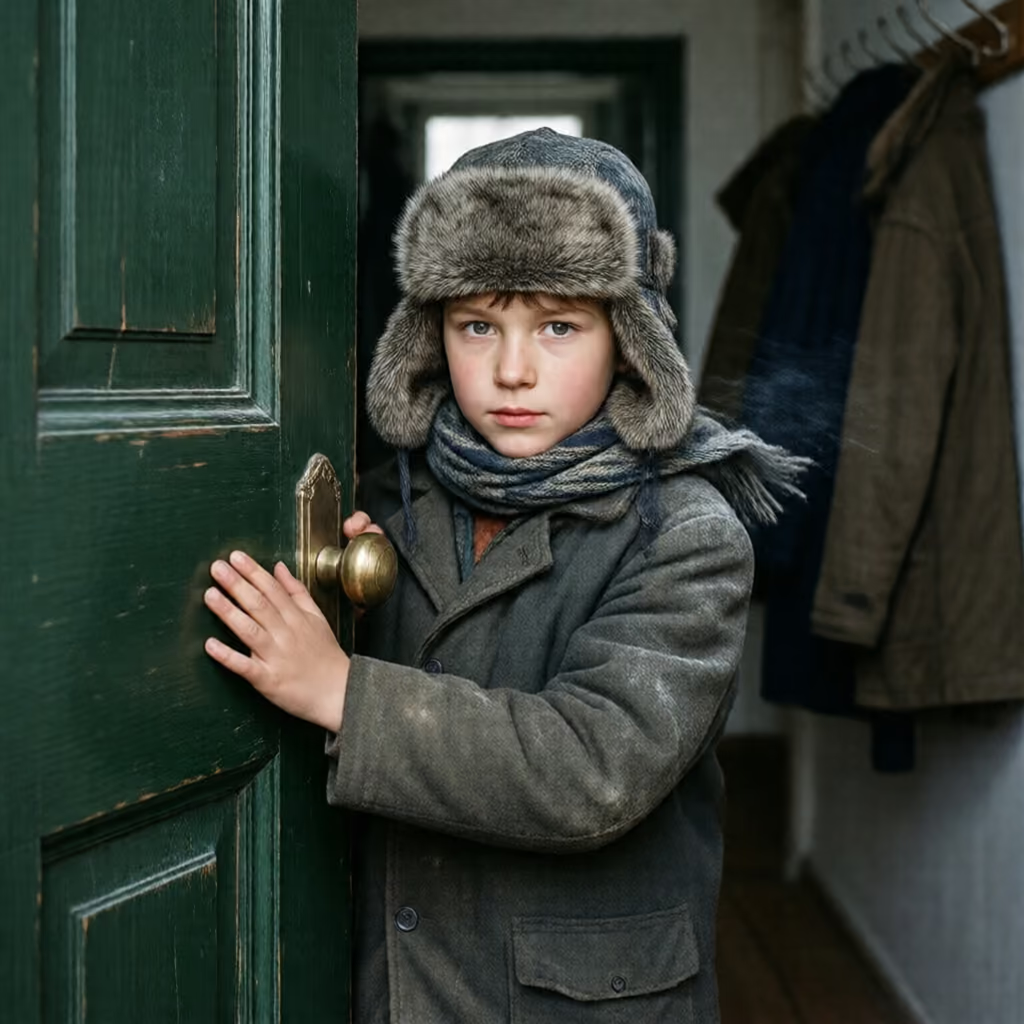
die Türe
door
A movable covering for an entrance in a wall through which one can enter and leave a room or building.
EXAMPLE
Bitte schließ die Türe, es zieht.
Please close the door; there's a draft.
door
die Türe, die Türen
Loading your saved state.
door
A movable covering for an entrance in a wall through which one can enter and leave a room or building.
Bitte schließ die Türe, es zieht.
Please close the door; there's a draft.

doorway
The opening or passage in a wall or building that can be closed with a door.
Sie blieb an der Türe stehen und wartete auf ihren Freund.
She stood in the doorway and waited for her friend.

door / gateway
An access point or opportunity to reach something or enter a particular area.
Diese Ausbildung öffnet ihm die Türe zu einer internationalen Karriere.
This training opens the door to an international career for him.

to show someone the door
To tell someone to leave a place; to throw someone out or dismiss them.
Nach dem Streit wies der Chef ihm die Türe.
After the argument, the boss showed him the door.
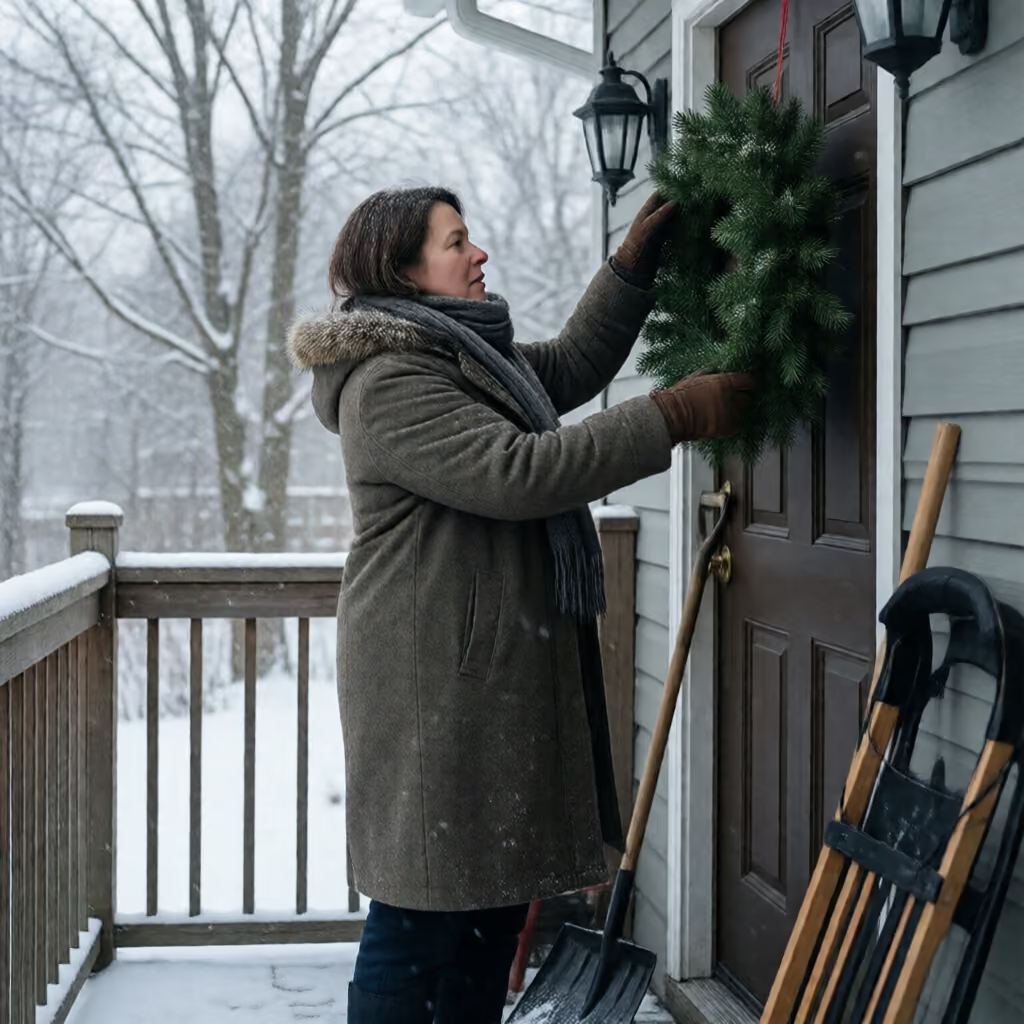
to be just around the corner
To be about to happen or take place soon. The expression „vor der Türe stehen“ (to be just around the corner) is used for events or periods of time that are imminent.
Der Winter steht schon vor der Türe.
Winter is just around the corner.
| gender | feminine die |
|---|---|
| plural | die Türen |
| genitive | der Türe |
| singular | plural | |
|---|---|---|
| nominative | die Türe | die Türen |
| accusative | die Türe | die Türen |
| dative | der Türe | den Türen |
| genitive | der Türe | der Türen |
The article changes with the case; it is shown in colour.
„Türe“ is a regional variant of „Tür“ (door) and is particularly common in southern Germany, Austria, and Switzerland. In standard German, „Tür“ is the usual form.
In Süddeutschland sagt man oft „Türe“, im Norden eher „Tür“.
In southern Germany, people often say „Türe“, while in the north they tend to say „Tür“.
„Türe“ commonly occurs with verbs such as „öffnen“ (to open), „schließen“ (to close), „abschließen“ (to lock), and „zuschlagen“ (to slam shut). These combinations refer to the movable covering of an entrance.
Wütend schlug er die Türe hinter sich zu.
Angrily, he slammed the door behind him.
When „Türe“ refers to the passage or the area directly by the entrance, it is often used with prepositions such as „an“ (at), „durch“ (through), or „bei“ (by).
Alle drängten sich durch die enge Türe nach draußen.
Everyone crowded through the narrow doorway to get outside.
In the fixed expression „jemandem die Türe weisen“ (to show someone the door), the person is in the dative case. The expression is often used in situations involving a ban from a place, an argument, or dismissal.
Der Sicherheitsdienst wies dem betrunkenen Gast die Türe.
The security staff showed the drunk guest the door.
In the expression „vor der Türe stehen“ (to be just around the corner), an event or a time period is the subject. The expression indicates that something is about to begin or is imminent.
Die Prüfungen stehen schon vor der Türe, deshalb lernt sie jeden Abend.
The exams are just around the corner, so she studies every evening.