

überleben
to survive
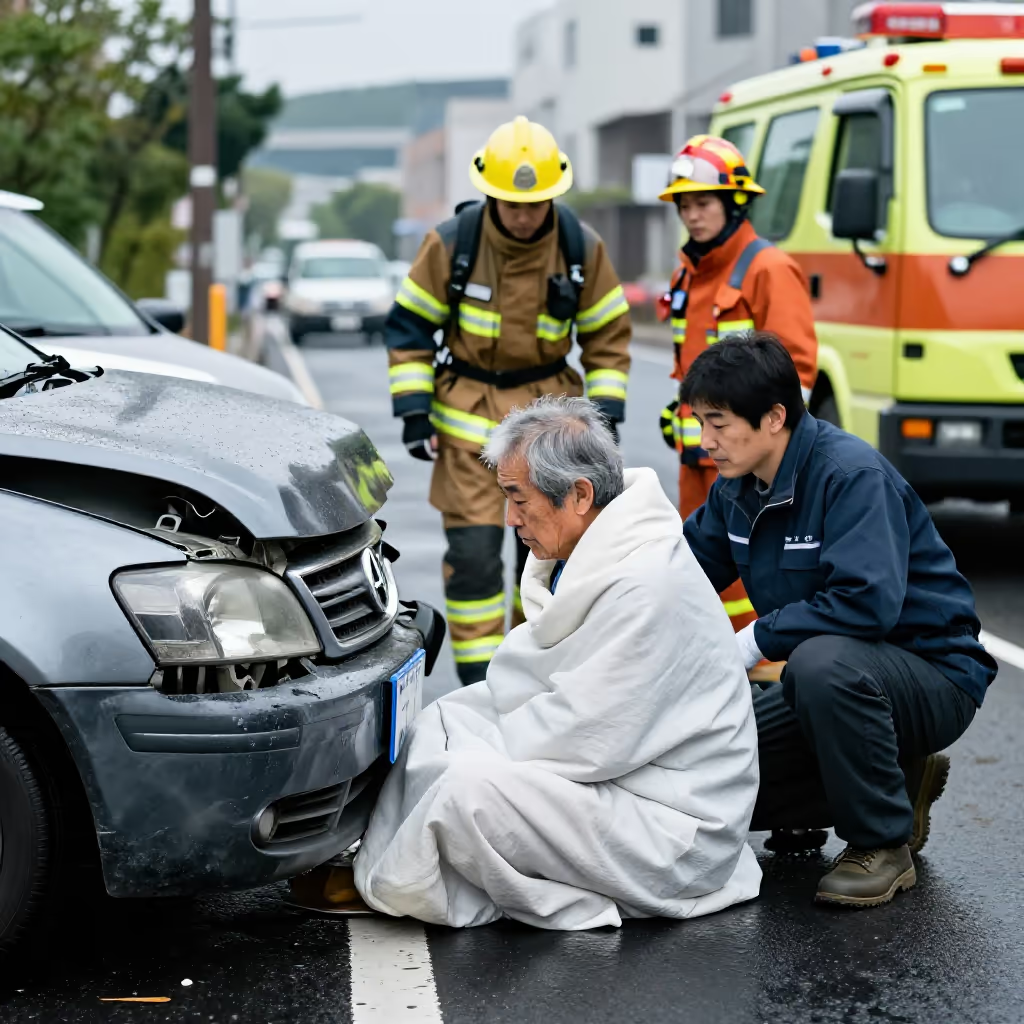
To come through a dangerous event such as an accident, an illness, or a war alive.
EXAMPLE
Er hat den schweren Autounfall wie durch ein Wunder überlebt.
He survived the serious car accident as if by a miracle.
to survive
Loading your saved state.
to survive
To come through a dangerous event such as an accident, an illness, or a war alive.
Er hat den schweren Autounfall wie durch ein Wunder überlebt.
He survived the serious car accident as if by a miracle.
to outlive
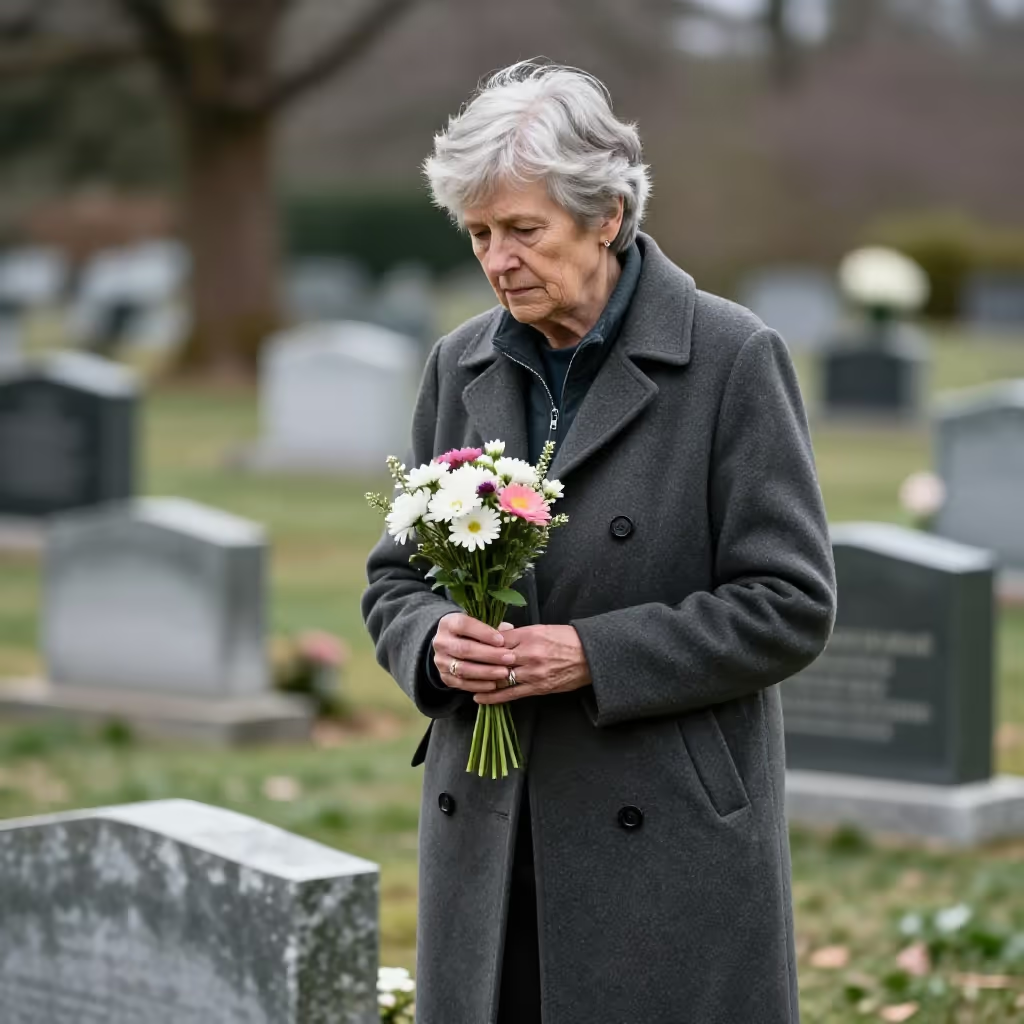
To live longer than another person; to still be alive after another person's death.
Die Witwe hat ihren Mann um zwanzig Jahre überlebt.
The widow outlived her husband by twenty years.
to survive
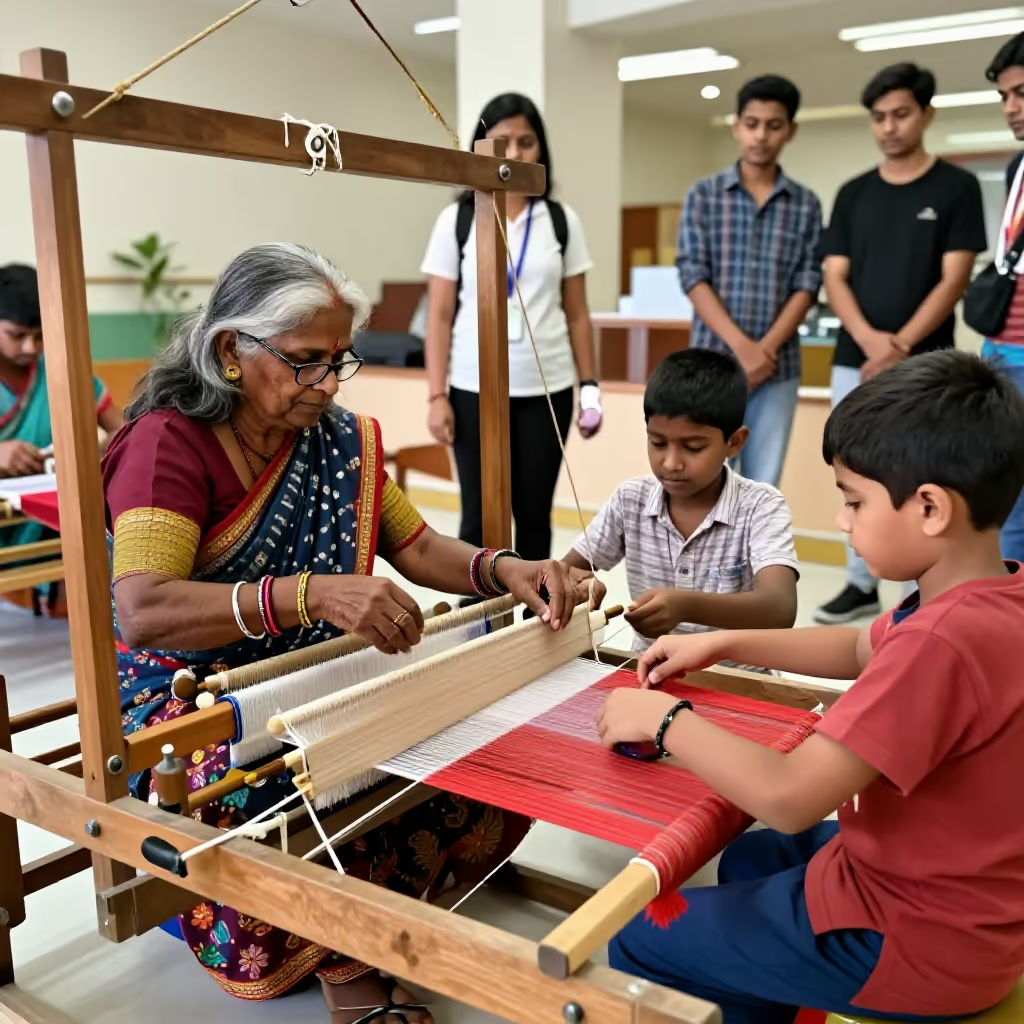
With regard to things, ideas, or traditions: to continue to exist, be preserved, and not disappear.
Dieser alte Brauch hat in dem kleinen Dorf bis heute überlebt.
This old custom has survived in the small village to this day.
'Überleben' is an inseparable verb. The prefix 'über-' is never separated from the stem, not even in a main clause or in the past participle (hat überlebt).
Nur wenige Menschen überlebten die Katastrophe.
Only a few people survived the catastrophe.
The event that one survives is always a direct accusative object. Do not use a preposition like 'von'. It is 'den Unfall überleben' (to survive the accident), not 'vom Unfall überleben'.
Sie hat die schwere Operation überlebt.
She survived the serious operation.
The subject or object shows the exact meaning. If a person survives an event (accident, illness), the first meaning is intended. If a person survives another person, the second is intended. If a thing (tradition, idea) survives, the third is intended.
Er hat den Herzinfarkt ohne bleibende Schäden überlebt.
He survived the heart attack without permanent damage.
to live
After a danger, both leben and überleben can mean that someone is still alive. leben describes only the present state. überleben additionally emphasizes that the person came through a specific danger alive.

Der Fahrer hat den schweren Unfall überlebt.
The driver survived the serious accident.
Nach dem schweren Unfall lebt der Fahrer noch.
The driver is still alive after the serious accident.