

vertrocknen
to wither
To die from a lack of water, especially referring to plants or parts of plants.
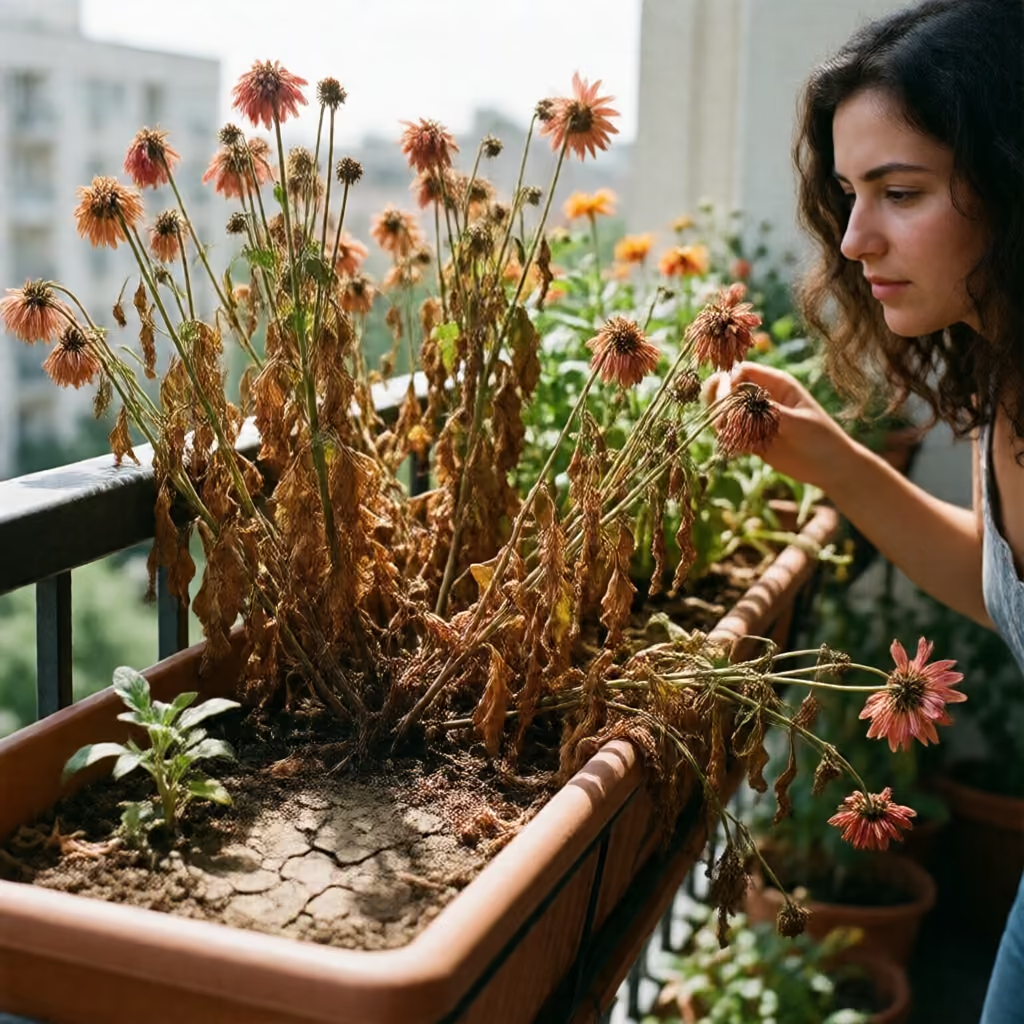
Während unseres Urlaubs sind die Blumen im Balkonkasten vertrocknet.
While we were on vacation, the flowers in the balcony planter withered.
to dry out / wither
vertrocknen – vertrocknete – ist vertrocknet
Loading your saved state.

to wither
To die from a lack of water, especially referring to plants or parts of plants.
Während unseres Urlaubs sind die Blumen im Balkonkasten vertrocknet.
While we were on vacation, the flowers in the balcony planter withered.

to dry out
To lose moisture and become dry, hard, or shriveled as a result.
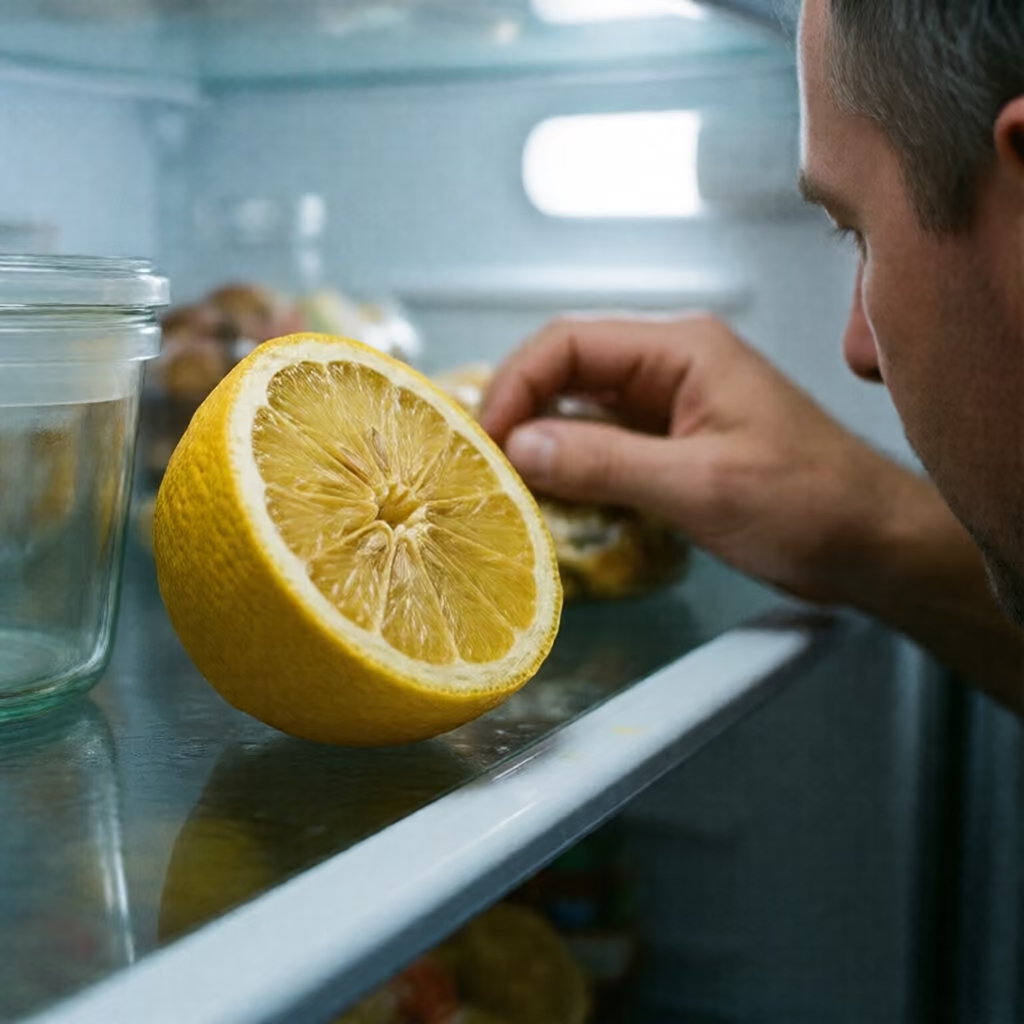
Die angeschnittene Zitrone ist im Kühlschrank völlig vertrocknet.
The cut lemon dried out completely in the fridge.

to wither
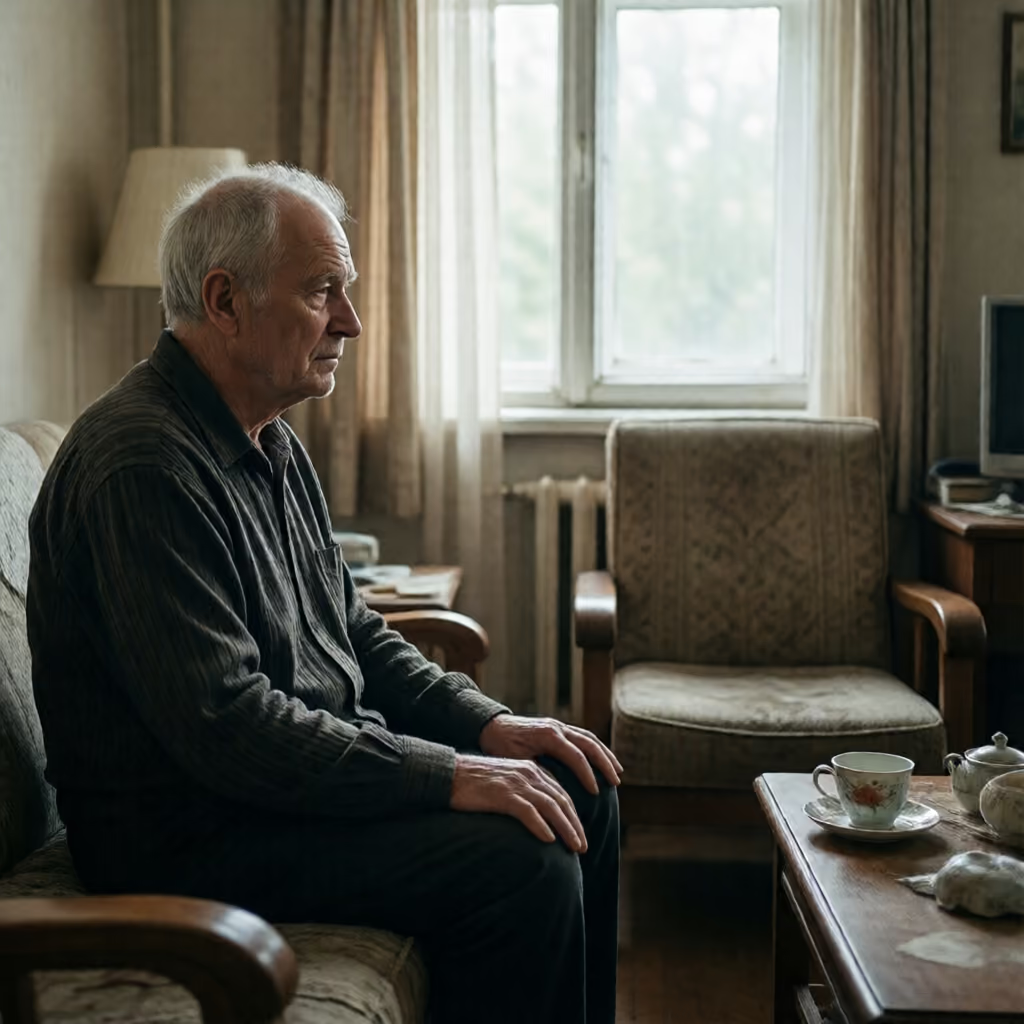
Figuratively: to lose mental or emotional vitality and wither inwardly.
Ohne menschliche Nähe war er seelisch immer mehr vertrocknet.
Without human closeness, he had withered more and more emotionally.
| ich | vertrockne |
|---|---|
| du | vertrocknest |
| er/sie/es | vertrocknet |
| wir | vertrocknen |
| ihr | vertrocknet |
| sie | vertrocknen |
| ich | vertrocknete |
|---|---|
| du | vertrocknetest |
| er/sie/es | vertrocknete |
| wir | vertrockneten |
| ihr | vertrocknetet |
| sie | vertrockneten |
| ich | bin vertrocknet |
|---|---|
| du | bist vertrocknet |
| er/sie/es | ist vertrocknet |
| wir | sind vertrocknet |
| ihr | seid vertrocknet |
| sie | sind vertrocknet |
| du | vertrockne! |
|---|---|
| ihr | vertrocknet! |
| Sie | vertrocknen Sie! |
| ich | war vertrocknet |
|---|---|
| du | warst vertrocknet |
| er/sie/es | war vertrocknet |
| wir | waren vertrocknet |
| ihr | wart vertrocknet |
| sie | waren vertrocknet |
| ich | werde vertrocknen |
|---|---|
| du | wirst vertrocknen |
| er/sie/es | wird vertrocknen |
| wir | werden vertrocknen |
| ihr | werdet vertrocknen |
| sie | werden vertrocknen |
| ich | vertrockne |
|---|---|
| du | vertrocknest |
| er/sie/es | vertrockne |
| wir | vertrocknen |
| ihr | vertrocknet |
| sie | vertrocknen |
Used for reported speech.
| ich | vertrocknete |
|---|---|
| du | vertrocknetest |
| er/sie/es | vertrocknete |
| wir | vertrockneten |
| ihr | vertrocknetet |
| sie | vertrockneten |
Used for wishes and “would”.
| infinitive | vertrocknen |
|---|---|
| with zu | zu vertrocknen |
| present participle | vertrocknend |
| past participle | vertrocknet |
'Vertrocknen' (to dry out / wither) describes a change of state and forms the perfect tense with 'sein' (to be). The affected plant, object, or person is the subject.
Die Kräuter auf der Fensterbank sind in der Sommerhitze vertrocknet.
The herbs on the windowsill withered in the summer heat.
'Vertrocknen' (to dry out / wither) does not take an accusative object. If someone is responsible for the process or fails to prevent it, you can use the construction 'etwas vertrocknen lassen' (to let something dry out / wither).
Das Brot vertrocknet in der offenen Tüte.
The bread is drying out in the open bag.
Lass das Brot nicht in der offenen Tüte vertrocknen.
Don't let the bread dry out in the open bag.
When referring to plants, 'vertrocknen' (to wither) is often used with expressions such as 'bei großer Hitze' (in intense heat), 'ohne Wasser' (without water), or 'ohne regelmäßiges Gießen' (without regular watering). These let you state the cause of the withering.
Ohne regelmäßiges Gießen vertrocknen die jungen Pflanzen schnell.
Without regular watering, the young plants wither quickly.
The figurative use is evocative and often sounds literary. Words such as 'innerlich' (inwardly), 'seelisch' (emotionally), or 'geistig' (mentally) make it clear that no physical loss of moisture is meant.
Sie hatte Angst, in ihrem eintönigen Alltag innerlich zu vertrocknen.
She was afraid of withering inwardly in her monotonous everyday life.