

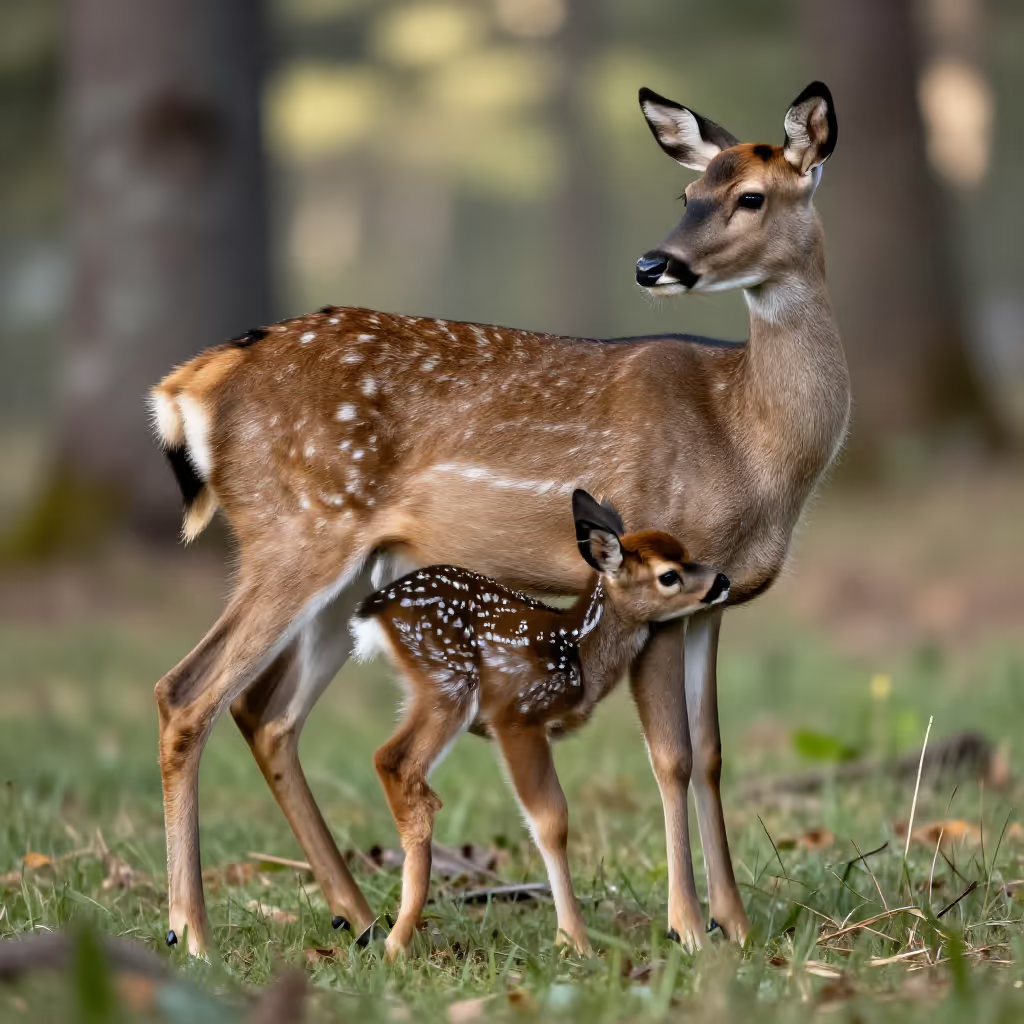
das Weibchen
female
A female animal.
EXAMPLE
Das Weibchen des Amselpaares brütet die Eier allein aus.
The female of the blackbird pair incubates the eggs alone.
female
Loading your saved state.
female
A female animal.
Das Weibchen des Amselpaares brütet die Eier allein aus.
The female of the blackbird pair incubates the eggs alone.

woman (derogatory)
An outdated term for a woman that is now perceived as derogatory.
In alten Romanen wird manchmal noch von einem „jungen Weibchen“ gesprochen, was heute unangebracht wäre.
In old novels, one sometimes still reads about a 'young Weibchen' (young woman), which would be inappropriate today.
The word consists of 'Weib' (an old term for woman) and the diminutive form '-chen'. All nouns ending in '-chen' are neuter, so the article is always 'das'.
Das kleine Kätzchen ist ein Weibchen.
The little kitten is female.
In the context of animals, 'Weibchen' (female) is the neutral and correct term. It is used in both everyday language and biology without any negative meaning.
Bei vielen Vogelarten ist das Weibchen unauffälliger gefärbt.
In many bird species, the female is less strikingly colored.
Using 'Weibchen' for a woman or girl is very outdated and is now perceived as condescending and insulting. This use should definitely be avoided.
Er nannte sie abfällig ein 'Weibchen', was alle im Raum schockierte.
He dismissively called her a 'Weibchen', which shocked everyone in the room.
woman / female
Both das Weib and das Weibchen can refer to a female animal. das Weib is a neutral technical term, while das Weibchen is also used in general language. Weib is therefore appropriate in a biological technical text, whereas Weibchen is usually used in everyday language.
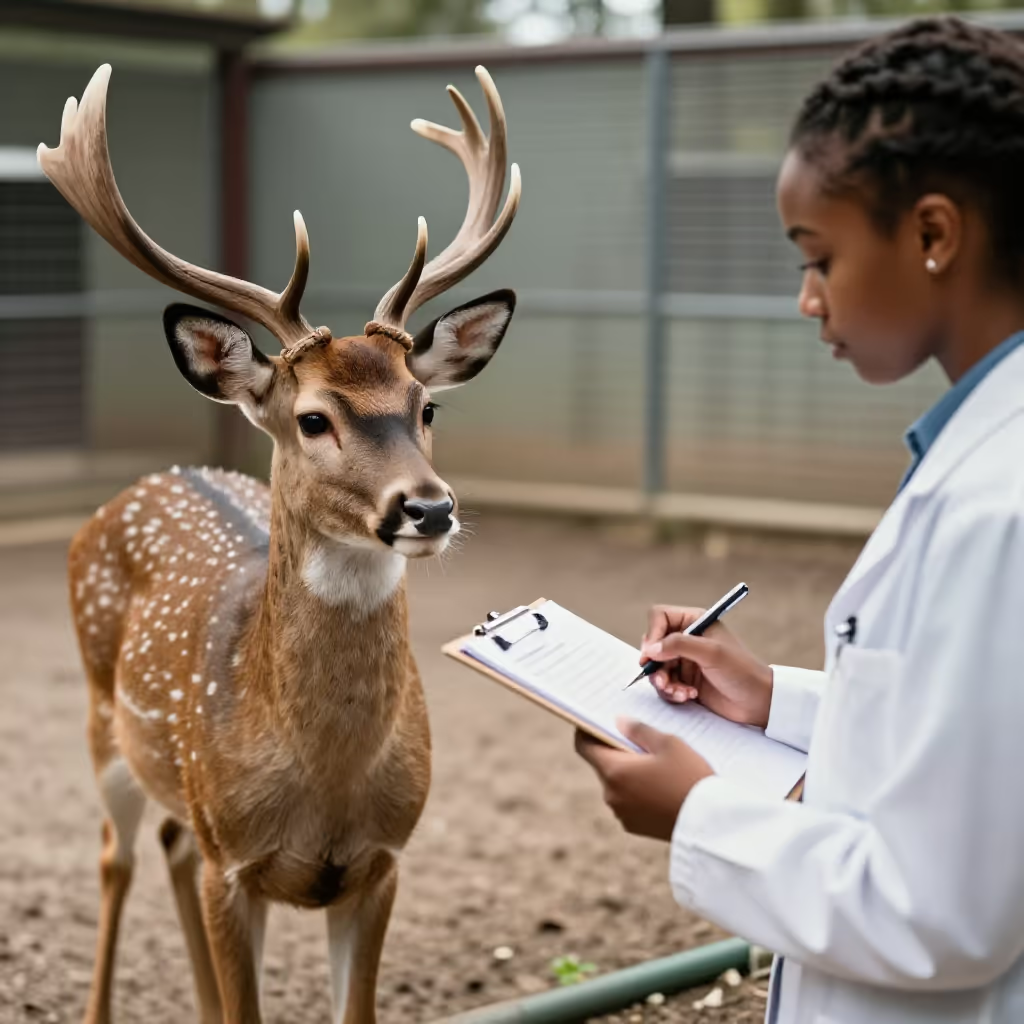
Bei dieser Art ist das Weibchen deutlich größer als das Männchen.
In this species, the female is significantly larger than the male.
Bei dieser Art ist das Weib deutlich größer als das Männchen.
In this species, the female is significantly larger than the male.