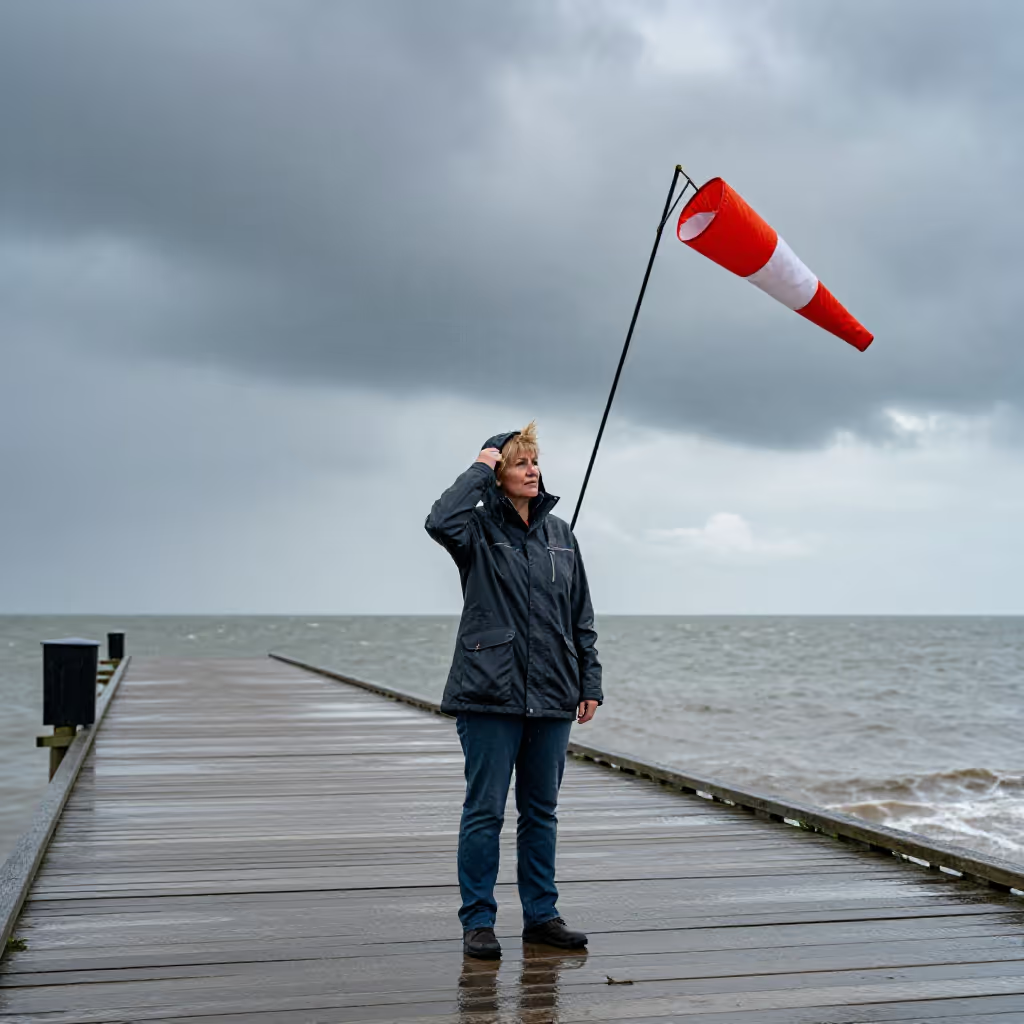
The general character of the weather at a particular place over a short period of time, from hours to days, including temperature, precipitation, and wind.
example
Wegen der rauen Witterung in den Bergen mussten die Wanderer umkehren.
Because of the harsh weather in the mountains, the hikers had to turn back.
Usage tips
Word family
'Witterung' (weather / scent) is closely related to the verb 'wittern' (to smell, to sense, to suspect) and the noun 'Wetter' (weather). This connection helps you understand all three meanings: sensing the weather, sensing the smell of an animal, or sensing an opportunity.
EXAMPLE
Das Pferd witterte Gefahr und wurde unruhig.
The horse sensed danger and became restless.
Register (weather)
In the meaning 'Wetter' (weather), 'Witterung' belongs to an elevated or official style. You often find it in reports, in agriculture, or in literature.
EXAMPLE
Die empfindlichen Pflanzen müssen vor der rauen Witterung geschützt werden.
The sensitive plants must be protected from the harsh weather.
Register (hunting)
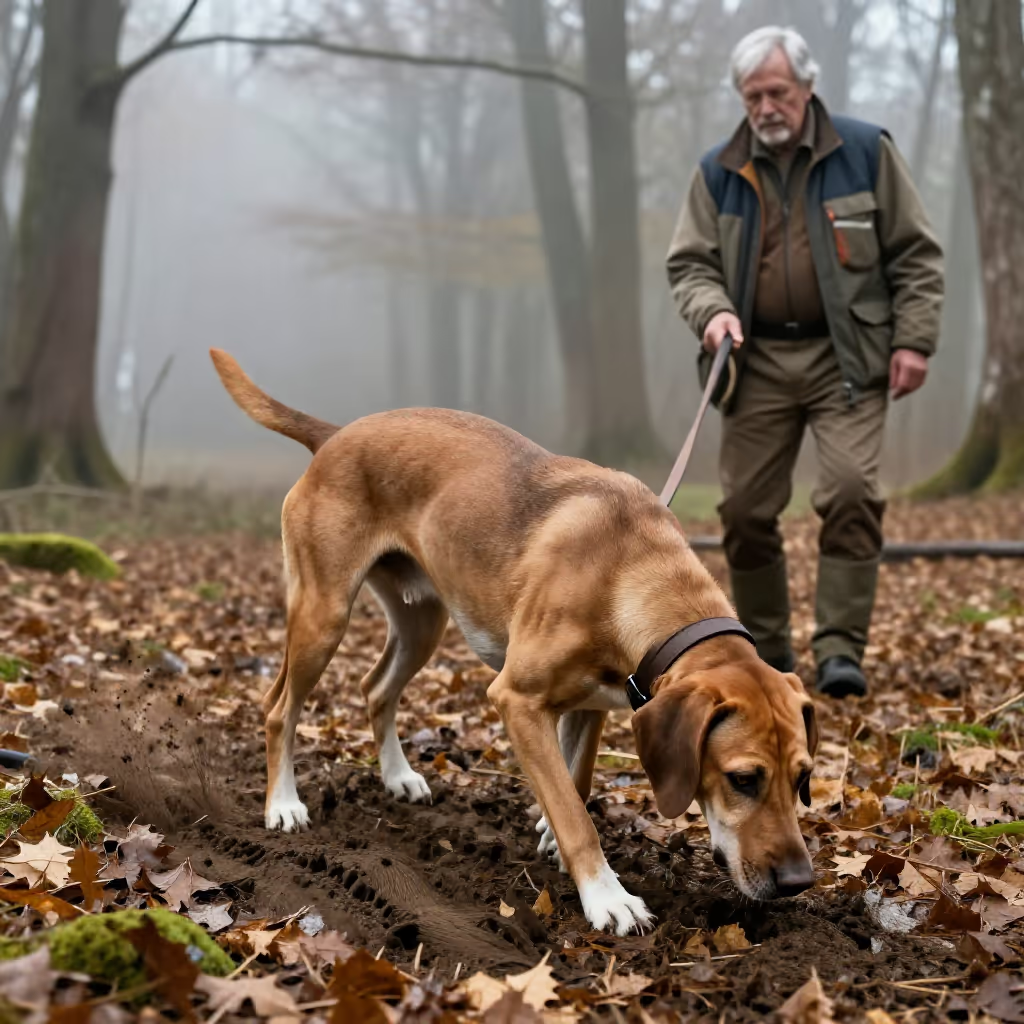
The meaning 'Geruch eines Wildtieres' (scent of a wild animal) is technical language and is used almost exclusively in hunting language. A typical combination is 'Witterung aufnehmen' (to pick up a scent).
EXAMPLE
Der Jagdhund verlor plötzlich die Witterung.
The hunting dog suddenly lost the scent.
Fixed expression
The figurative meaning is almost always used in the fixed expression 'Witterung für etwas haben' (to have a nose for something). 'Etwas' is in the accusative. The expression means to have a good instinct for something.
EXAMPLE
Die Reporterin hat eine gute Witterung für spannende Geschichten.
The reporter has a good nose for exciting stories.
Compare with
near_synonym · confusable
Witterung vs Ahnung
hunch / idea
'die Ahnung' and 'die Witterung' can both refer to a subtle sense of something. 'Ahnung' is the normal word when you suspect something or feel it inwardly without being sure. 'Witterung' actually has to do with weather, or in hunting language with smell. But in the phrase 'Witterung haben für etwas' (to have a nose for something), it means figuratively that someone recognizes an opportunity or a danger early. The words can be confused because both express something uncertain and intuitive. In everyday language, 'Ahnung' is much more general. 'Witterung haben für' sounds more specific and often somewhat figurative.
Witterung
Meine Kollegin hat eine gute Witterung für Probleme, bevor sie im Team groß werden.
My colleague has a good nose for problems before they become serious within the team.
Ahnung
Schon beim Termin hatte ich eine Ahnung, dass der Plan nicht funktionieren würde.
Even during the appointment, I had a hunch that the plan would not work.